
Campbell's Culture Crisis: Key Findings
- Senior executive Martin Bally left the company after a leaked audio recording showed him disparaging the brand’s core customers.
- The incident has raised urgent questions about the internal culture at Campbell's, particularly the respect for its customer base and concern for product quality.
- The controversy surfaces just as Campbell’s enters the crucial winter holiday season, an important period for sales, putting revenue and brand trust at risk.
When brand contempt leaks from the inside, consumer trust collapses on the outside.
That’s exactly what happened at Campbell’s, where a private remark by a senior executive triggered public backlash.
In late Nov. 2025, a lawsuit revealed an audio recording that allegedly captured Campbell Soup Co. Vice President Martin Bally referring to the company’s core customers as “poor people.”
Yes, it’s a bad look for leadership, and a deeper sign that something inside the company may be off.
But this story is not just about a single executive’s behavior.
It shows what happens when a company’s internal culture stops reflecting the brand it promotes to the public.
Trust, once broken, is difficult to restore. One offhand remark can trigger lasting damage, especially when it confirms deeper concerns customers already suspect.
Brand Values vs. Internal Reality
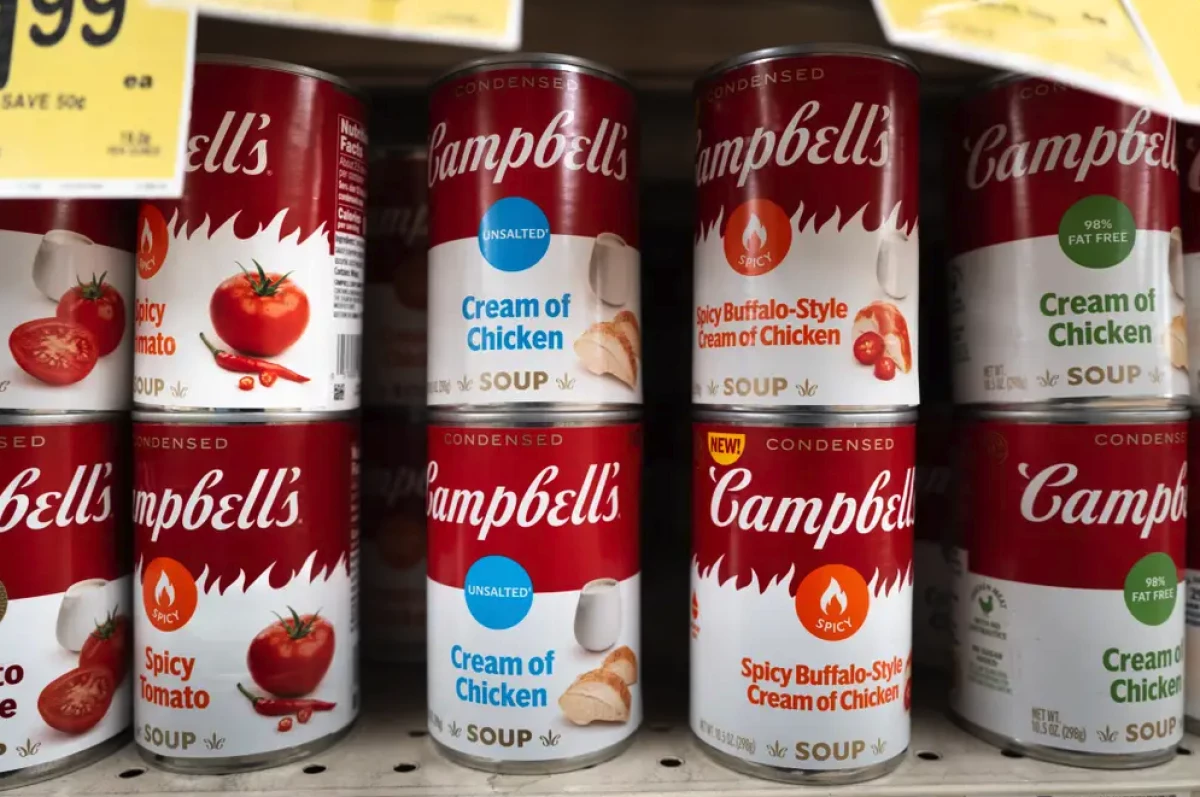
Campbell’s has spent decades presenting itself as a source of comfort, familiarity, and reliability in American homes.
Now the company is facing more than a PR slip or a product complaint.
What's happening inside the company no longer matches the image it puts forward, and now the gap is playing out in public.
The situation escalated after a lawsuit surfaced, containing an audio recording allegedly featuring Bally’s remarks.
In the recording, Bally is allegedly heard calling customers "poor people."
The viral nature of the leaked comments instantly turned an internal dispute into a public-facing brand referendum.
Campbell’s relies heavily on its image as an accessible, comforting, and nostalgic household staple.
However, the comments exposed a disconnect between that public image and the alleged corporate culture.
This situation highlights a critical issue for any heritage brand: the moment internal contempt for the customer base is revealed, the brand’s core asset, trust, is immediately compromised.
The Unforgiving Stakes of Timing and Integrity
The strategic challenge for Campbell’s is compounded by the calendar, as the winter holiday season is the most critical sales period for comfort food brands.
When a crisis erodes the core audience's trust in a product's integrity and cultural alignment, sales are immediately jeopardized.
The company issued a statement online saying:
"The comments were vulgar, offensive and false, and we apologize for the hurt they have caused.
This behavior does not reflect our values and the culture of our company."
They also defended their long-time product and company integrity:
"We are proud of the food we make, the people who make it and the high-quality ingredients we use to provide consumers with good food at a good value.
The comments heard on the recording about our food are not only inaccurate — they are patently absurd."
For any legacy brand, this is a stark reminder: internal culture must mirror the brand’s public values, especially when serving value‑oriented, mainstream audiences.
Revenue and Reputation at Risk
The timing couldn’t be worse, since the winter holiday season is when consumers stock up on comfort foods, which is a critical period for Campbell’s.
Beyond immediate finances, the company must manage broader reputational fallout and rebuild trust.
It’s not enough to remove a single executive. Campbell’s must reaffirm its commitment to quality, transparency, and consumer respect.
BREAKING 🚨: Campbell's Soup$CPB has fallen to prices not seen since the Global Financial Crisis 📉📉 pic.twitter.com/GwdOBBYRll
— Barchart (@Barchart) November 26, 2025
With this episode, we can gather these takeaways to learn:
- Audit Cultural Alignment: Ensure that internal leadership communication and corporate culture align perfectly with the brand’s public promise.
- Master Message Discipline: Recognize that in a crisis, the immediate focus shifts from denying the fact to proving the brand’s authentic commitment to its audience with visible actions.
- Reset Narrative Control: Confront leaked information and falsehoods directly and rapidly, as it can be defined entirely by the media and social platforms.
These takeaways share a critical truth. In the attention economy, internal cultural missteps become immediate, irreversible external brand liabilities.
The response must be defined by transparent, rapid strategic action that authentically proves the brand's commitment to its core audience, especially when entering a critical sales period.
Our Take: Can Campbell’s Reset a Crisis Rooted in Cultural Contempt?
It is tough, but not impossible, since it is a brand that has a huge history.
This is not a product recall, but a fundamental trust crisis.
Campbell's needs to go beyond just issuing statements.
It needs to follow a careful crisis communication plan to visibly demonstrate, through both advertising and community action, that it respects its consumers.
That means shifting the narrative toward verifiable food quality and value.
The brand must also show, through leadership and action, that it remains committed to the people it serves.
The complexity of this crisis challenges the positive brand image Campbell's built through its high-profile NFL partnership for the Chunky "Crush Your Cravings" campaign.
Define your brand identity and build foundational trust with expertise from the Top Branding Agencies.