
Authentic Growth: Key Findings
- You can’t fake culture. What happens inside your company will always show up in your content.
- Strong onboarding and employee advocacy bridge culture and storytelling.
- Content governance protects consistency and authenticity as you scale.
Companies with high levels of employee engagement are 23% more profitable than those with low engagement, according to a study reported by Forbes.
Engaged employees create a high-performing culture where people think critically, problem-solve, put forth extra effort, and make better decisions for the business.
That’s exactly why content strategist Erika Heald believes culture isn’t fluff — it’s the foundation of authentic content that builds trust, engages employees, and drives measurable business results.
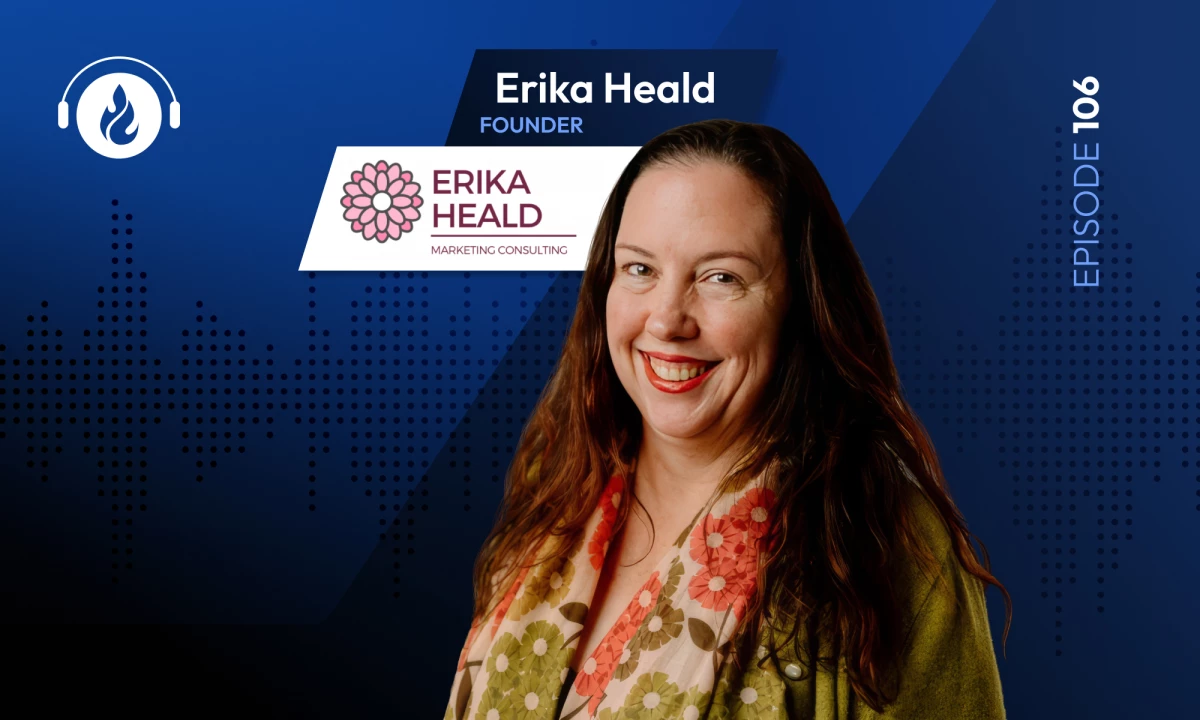
In this episode of the DesignRush Podcast, Erika shares her journey — from leading content teams at Salesforce and Anaplan to building her own consultancy — and explains why culture and content are inseparable.
Chapter Summary:
- 5:47 – The Leadership Blind Spot
- 9:48 – Make Content Human
- 12:56 – The Feedback Loop
- 17:22 – Retention Beats Re-Onboarding
- 23:40 – Make B2B Feel Human
Listen now on YouTube or Spotify and Apple Podcasts.
Here are five big lessons from our conversation:
Lesson 1: Culture Can’t Be Faked
Leaders sometimes think culture is an internal matter that doesn’t touch the brand. In reality, it shapes everything the outside world sees.
A positive culture empowers employees to take pride in their work and advocate for the brand.
A negative culture eventually leaks out through unhappy employees on social media, or even stories in the press about a toxic workplace.
Takeaway: What happens inside your company inevitably shows up outside, shaping how customers and the market perceive your brand.
Lesson 2: Onboarding Sets the Tone
Onboarding is more than paperwork — it’s where new employees learn who you are, how you operate, and how to carry the brand forward.
“And to that end, how many companies don't even have a solid onboarding process?” Heald says.
“You know, if you're not spending the first week that you bring in new employees going through, you know, an actual onboarding process where they learn who your brand is, how the company makes money…I mean, I, again, only one company I've worked at literally had a course [on] how…Schwab makes money.”
At Anaplan, onboarding extended beyond orientation and into advocacy.
New hires were coached on how to represent the brand on LinkedIn, encouraged to update their profiles, and supported in becoming ambassadors from day one.
This gave employees both clarity and confidence to share their authentic voices online.
Takeaway: A thoughtful onboarding program builds cultural alignment and empowers employees as brand advocates.
Lesson 3: Content Works Best When It’s Human
Many B2B brands struggle with making their content feel authentic.
They rely on faceless bylines, generic personas, or polished messaging that doesn’t sound like it came from a real person.
The result is content that feels impersonal and fails to build trust.
“And the reason this is a problem is it's saying that basically your human beings are interchangeable and dispensable and that you don't value them the moment that they're not doing something directly for you,” Heald explains.
Audiences want to hear from subject matter experts and employees who bring their own perspective and experience. When people see the human behind the message, they’re more likely to believe in the brand itself.
Takeaway: Real people make content credible. Put employees and customers front and center.
Lesson 4: Salesforce as a Case Study
Some companies manage to embed culture so deeply into their operations that it shows up in every touchpoint.
Salesforce is a prime example. From onboarding to their flagship Dreamforce event, everything about the company reinforces its values.
The consistency is so strong that you’d never confuse Salesforce content or experiences with another brand’s.
“You would never mistake being in a Salesforce office or reading a piece of Salesforce content for anyone else's content because it is just so relentlessly on brand,” Heald says.
This commitment extends to customer storytelling. Instead of asking customers to do all the work, Salesforce pairs them with professional writers who help capture their voice and experience authentically.
Takeaway: Great content programs are built on culture, not campaigns.
Lesson 5: Governance Protects Authenticity at Scale
As companies grow, the challenge is keeping all of it aligned with brand and culture. That’s why governance matters.
Simple tools like a brand voice chart, style guide, and taxonomy make it easier for every employee (or even AI tools) to create content that feels consistent and trustworthy.
“You know, I hate to use such a scary term, but I'm gonna put it out there. It's content governance…At a minimum, you need that brand voice chart with a style guide and a solid taxonomy so that way you know what the language is that you use to [describe] things,” Heald says.
By creating these guardrails, leaders make it possible to scale content without losing the authenticity that made it resonate in the first place.
Takeaway: Governance ensures every piece of content reflects the culture and brand values consistently.

About Erika Heald
Erika Heald is a B2B content marketing strategist and the founder of Erika Heald Marketing Consulting, where she helps organizations scale with authentic storytelling, content governance, and executive thought leadership. She has led content teams at Salesforce, Anaplan, and Highwire PR, and advises companies including Slack, Sierra Club, and Sapphire Ventures.
She also hosts the #ContentChat community on LinkedIn and is recognized by SEMrush as one of the Top 100 Influencers in Content Marketing.
Why Culture Still Comes Down to Focus
At the end of the day, culture shows up in the everyday choices people make.
Just like customers pick their favorite coffee shop for the overall experience, not just the product, they choose brands that deliver consistency and authenticity.
Big Takeaway: Culture isn’t a side issue. It’s the driver of authentic content, engaged employees, and sustainable growth.
Watch the full episode on YouTube or listen on Spotify and Apple Podcasts.