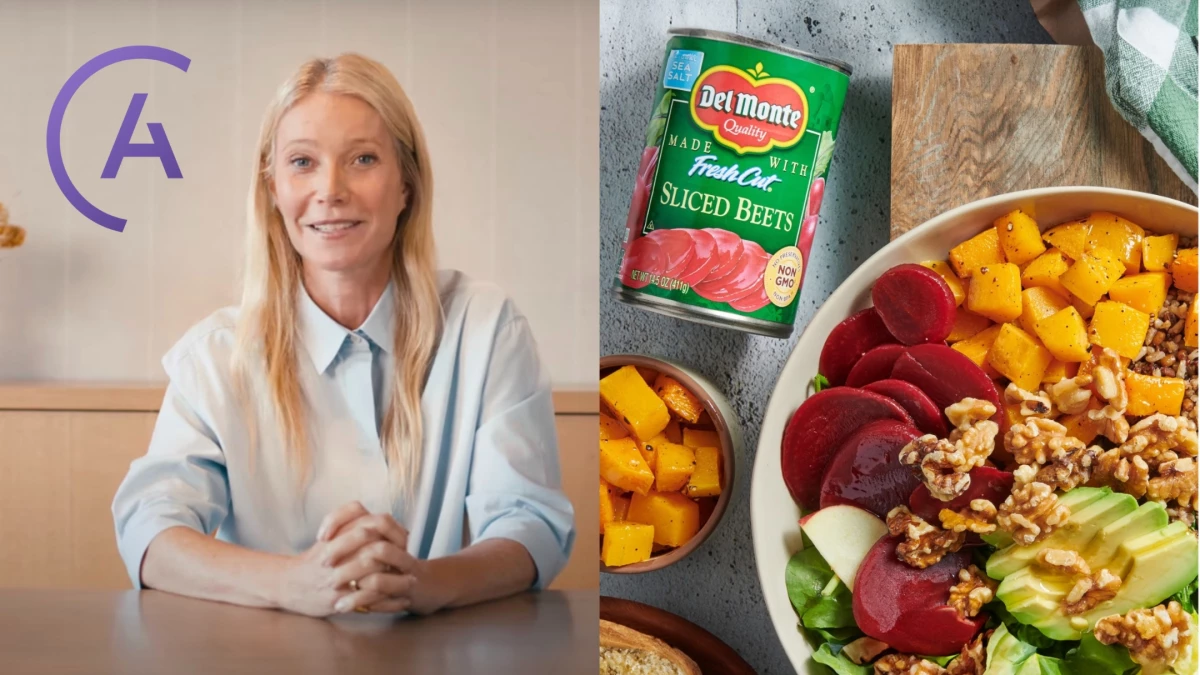

Astronomer vs. Del Monte: Key Findings
- Agility is brand insurance: Astronomer moved quickly and creatively. Del Monte didn’t — and paid the price.
- Humor is strategy, not fluff: Astronomer’s ironic video gave people a new reason to talk about the brand.
- Legacy can trap you: Del Monte had $2.34 billion in sales and over a century of brand equity, but still lost cultural relevance.
- Silence isn’t neutral: A slow response is a brand decision — and often the wrong one.
Quick listen: Astronomer flipped a PR scandal into a brand moment. Del Monte filed for bankruptcy. Here’s the branding lesson in 2 minutes.
In branding, speed sometimes beats size. Momentum protects more than history.
In July 2025, two brands made the news for very different reasons.
One went viral for all the wrong reasons and then flipped the narrative with speed and style.
The other, meanwhile, filed for bankruptcy after quietly losing relevance.
Astronomer and Del Monte aren’t competitors. The former builds data orchestration tools, while the latter sells canned fruit.
But their stories this summer felt oddly connected.
I’ve covered enough brand strategy cases to know this proves how unforgiving the market is now, especially when it comes to brand presence.
Scandal, Laughed Off and Leveraged
Astronomer’s PR nightmare started on a kiss cam.
CEO Andy Byron and Chief People Officer Kristin Cabot were caught in an embrace during a Coldplay concert.
There's just one major complication: Byron is married, so it was basically an illicit office romance.
It got worse when Chris Martin, the band’s frontman, made a remark on stage: "Either they’re having an affair or they’re just very shy."
The video now has a whopping 129.1 million views, 10.9 million likes, and 1.3 million shares on TikTok alone.
The moment felt like one of those spirals that could ruin a company’s reputation, especially in tech, where cultural scrutiny is high.
Both execs stepped down, but that wasn’t the end of it.
Brands like IKEA, Hulu, and Tesla rode the viral wave, showing how internet language is the new cultural currency that companies need to learn to stay relevant.
Just days later, Astronomer released a video featuring Gwyneth Paltrow, who, not coincidentally, used to be married to Martin.
She played a fictional "temporary spokesperson" for the company, answering fake FAQs with deadpan charm while slipping in real product messaging.
The ad worked because it was sharp. The tone hit the cultural moment, the casting was cheeky, and the response came quickly.
It flipped a potential disaster into buzz, reach, and even some goodwill.
Thank you for your interest in Astronomer. pic.twitter.com/WtxEegbAMY
— Astronomer (@astronomerio) July 25, 2025
Behind the scenes, Ryan Reynolds’ agency Maximum Effort helped shape the message.
The timing and tone gave Astronomer back some narrative control.
By the time I saw the campaign, it already had over 37 million views on X and more than 660,000 on YouTube.
And more importantly, it didn't waste the global spotlight on Astronomer and actually changed how people were talking about the company.
It wasn’t just the brand caught on the kiss cam anymore. It became the one that pulled off the Gwyneth Paltrow comeback ad.
Legacy, Ignored and Forgotten
Del Monte Foods was once a pillar of the American pantry.
Founded in 1886, it once ran what was considered the largest cannery for fruits and vegetables in the world.
But by July 1, 2025, the company had entered Chapter 11 bankruptcy in the U.S., seeking a buyer to help stabilize its operations.
"After a thorough evaluation of all available options, we determined a court-supervised sale process is the most effective way to accelerate our turnaround and create a stronger and enduring Del Monte Foods.
With an improved capital structure, enhanced financial position and new ownership, we will be better positioned for long-term success,” CEO and President Greg Longstreet said in a press release.
Del Monte Foods announced it is voluntarily filing for Chapter 11 bankruptcy and looking to sell its company to a new owner to help "strengthen" its financial standing. https://t.co/xpANXbAl6U
— ABC News (@ABC) July 6, 2025
As of April 2024, Del Monte Foods' consolidated financial statement showed total assets worth $2.34 billion and net sales of $1.73 billion.
However, total liabilities amounted to $1.63 billion, up 7.24% from 2023, and cash flow was only $3.60 million, down by nearly half from the previous year.
Its debt was rising, margins were shrinking, and the brand had lost its grip on modern consumers.
Canned food, once a staple, now competes with fresh, organic, or private-label alternatives.
When pandemic demand dropped, Del Monte Foods was left with excess inventory and costly warehousing.
The 50% tariffs imposed by President Donald Trump also significantly raised the cost of imported steel used in cans.
Del Monte Foods Goes into Bankruptcy: A Trump Tariff Casualty https://t.co/IE3nDPWzEQpic.twitter.com/KN5ggXPlyo
— Yves Smith (@yvessmith) July 10, 2025
The bigger issue, though, was Del Monte Foods' brand inertia. While the product stayed on shelves, the brand lost meaning.
It launched newer items like bubble tea, but the move was insufficient to connect emotionally or culturally with consumers.
Even with a 10-digit sales figure, it felt invisible.
Del Monte didn’t tell a new story. It waited too long to evolve, hoping that familiarity would be enough.
But as I’ve seen over and over again, brand familiarity without relevance doesn’t mean much anymore.
Brand Movement vs. Brand Memory
In a time when relevance can disappear overnight, how a brand responds matters more than what it used to represent.
These two cases show the difference between relying on reputation and building momentum in real time:
- Astronomer moved. It acted fast, spoke with fluency, and reframed the narrative with unexpected charm.
- Del Monte Foods stayed still. It relied on what had worked before, hoping legacy would carry the day.
In 2025, speed and cultural awareness are non-negotiable.
Referencing Coldplay's Chris Martin’s ex-wife, particularly given the numerous infidelity rumors surrounding him during their marriage, was a brilliant move.
— Sophie Rain Thread 🔥❤️ (@SophieRainForum) July 26, 2025
Astronomer Hiring Gwyneth Paltrow, known for her high-profile split from Chris Martin after 13 years, to star in an ad… pic.twitter.com/mkLJXWK4k1
Astronomer could have ignored the scandal or responded with a generic press release (which it initially did). But it went further and created a moment.
Del Monte Foods could have reintroduced itself to a younger audience or explained its relevance in today’s world. It chose not to.
And it’s not about money. Astronomer’s campaign wasn’t massive. It was just smart and timed well.
Del Monte Foods certainly had resources. It should have amassed connections in its 138-year history.
Although independent from it, the company could've also sought a working partnership with Fresh Del Monte Produce (FSD) to start developing organic products.
But it lacked a sense of urgency, and so it failed to meet changing consumer demands.
In both stories, what stands out is instinct, and this is where great CMOs and agency partners earn their place:
- Have a plan, but know when to throw it out. If your brand voice still sounds like it's from 2015, you're not keeping up. Tone needs to reflect today's culture.
- Your brand tone should match the moment. Not every brand can use humor, but every brand should know how to respond with personality.
- Legacy needs to be activated, not archived. You can’t coast on recognition. You have to remind people why it matters now.
Great branding isn’t just about strategy. It’s about timing, tone, and the confidence to act before consensus forms.
The brands that survive are the ones that know how to speak clearly when the pressure is highest and the spotlight is on.
Strategy is the foundation, and adaptability is the differentiator. These teams work with CMOs to evolve brand expression in fast-moving environments: