
Bad Bunny Halftime Show: Key Findings
- The popular artist performed entirely in Spanish, presenting Puerto Rican culture as a mainstream entertainment product to 140 million viewers worldwide.
- Duolingo saw a 35% week-on-week spike in Spanish learners during and after the performance, translating cultural curiosity into measurable consumer behavior.
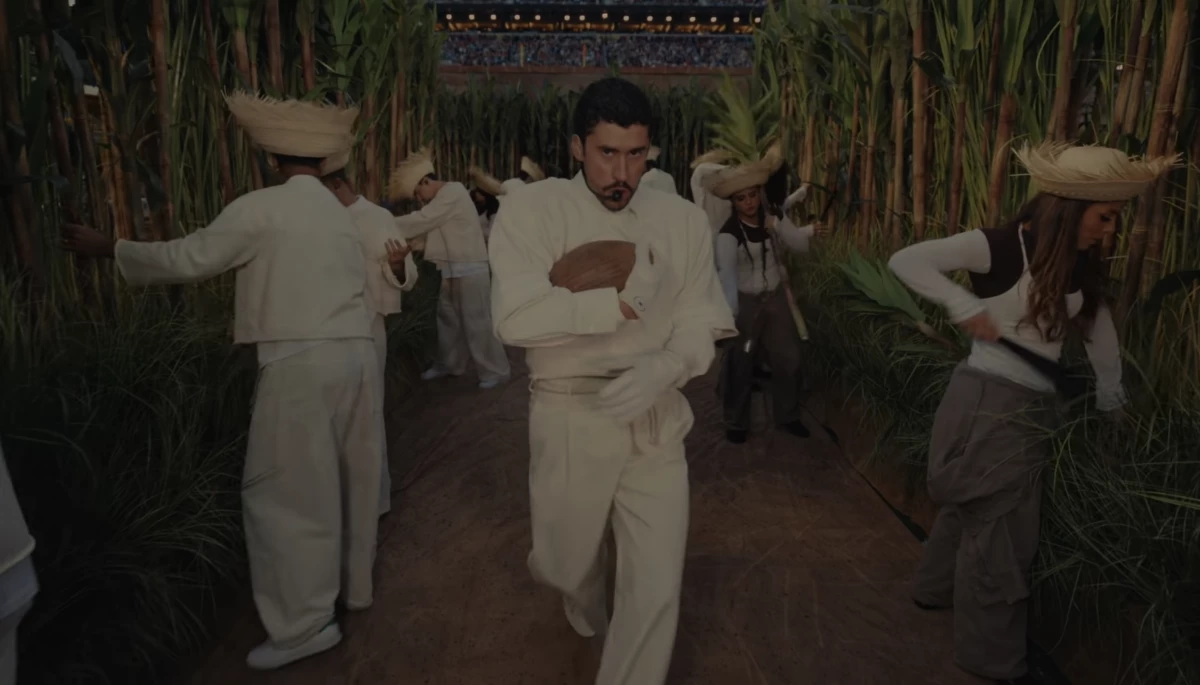
- The show positioned Puerto Rico through visual storytelling, from sugarcane fields to traditional weddings, framing the island as an authentic cultural destination.
Bad Bunny delivered one of the most-watched halftime shows in Super Bowl history, all while turning 15 minutes into a global advertisement for Puerto Rican culture.
The performance featured visual and sonic references to his homeland, reaching millions of viewers without the help of traditional brand sponsorships.
This included sugarcane fields that anchored Puerto Rico's economy through the 20th century and a live wedding portraying Latin celebrations.
Instead of promoting specific corporate partners, the Apple Music-sponsored show elevated the country's music, food, and daily life as exportable assets with global appeal.
Its success demonstrates how cultural authenticity can drive consumer interest and measurable behavioral change in the long run.
Cultural Marketing Drives Language Learning Spike
Duolingo recorded a 35% week-on-week increase in Spanish language learners during and immediately after the halftime show.
The spike followed Bad Bunny's decision to perform entirely in Spanish, featuring his biggest reggaetón hits without English translation.
Duolingo saw a 35% increase in Spanish learners last night.
— Duolingo (@duolingo) February 9, 2026
Is this what a one-night stand feels like? pic.twitter.com/acf0DZczhh
Language learning app Preply also found that within 24 hours of Bad Bunny's September halftime show announcement, U.S. searches for "Spanish class" jumped 178%.
Duolingo had prepared for the moment with a two-week pregame campaign called "Bad Bunny 101," featuring its owl mascot Duo dressed in the artist's signature suit jacket and pava hat.
Together, the campaign and data show that when culture leads, audiences respond with real action.
An Island Identity on a Global Stage
The performance showcased Puerto Rican daily life through scenes of street food vendors, domino games, and salon visits set to Afro-Caribbean rhythms.
Bad Bunny performed from a set piece reflecting rural island life that has become central to his latest tour, creating a recognizable visual identity for Puerto Rican culture.
Lady Gaga also joined amid the real wedding between two fans, wearing light blue associated with Puerto Rican identity and a red flor de maga, the island's national flower.
She acknowledged New York City as salsa's original epicenter with "NuevaYol," featuring dancers moving through bodegas and barber shops.
Bad Bunny wore Zara during the performance, reinforcing how accessible fashion brands were woven into the stage moment.
While decked out in the Spanish clothing brand and launching the BadBo 1.0 custom Adidas sneaker, brand partnerships were secondary to cultural messaging.
Bad Bunny closed with a parade of flags representing every country in the Americas, calling out each nation by name to Afro-Puerto Rican plena rhythms.
The halftime show ultimately drew 140 million viewers worldwide, turning a brief performance into a massive cultural milestone.
Bad Bunny's halftime demonstrated how brands can use cultural celebrations to drive consumer interest:
- Prime demand before peak attention. Build momentum early so audiences know where to go once interest spikes.
- Let culture lead the story. Heavy branding can dilute impact when the cultural moment already carries weight.
- Channel curiosity into clear next steps. Give audiences an immediate way to engage while the interest is still fresh.
The success of this halftime act shows how people act on genuine curiosity way faster than they respond to regular advertising.
Our Take: Can Cultural Marketing Replace Traditional Sponsorship?
I think Bad Bunny proved to everyone that cultural storytelling works without needing logos everywhere.
The 35% spike in Spanish learners came from a performance that actually resonated with people.
I'm sure Duolingo's timing helped, but I think viewers were probably going to look up Spanish lessons after 15 minutes of reggaetón regardless.
In the end, I think Bad Bunny’s show stood out because it built a world with everyday scenes from his culture and nods to music history and community icons, making the culture itself the main act.
Want more recaps from Super Bowl LX? Don't miss our roundup of this year’s top Super Bowl spots that combined real business impact with great entertainment.
Brands looking to capitalize on cultural moments need agencies who understand timing, authenticity, and consumer behavior. Explore the top creative agencies in our directory.