
Bad Bunny x Super Bowl Half-Time Show: Key Findings
- The Apple Music trailer centers global culture by showing Bad Bunny dancing across Puerto Rico, positioning the halftime show as an international event rather than a U.S.-only spectacle.
- The NFL signals its global ambitions by leaning into Spanish-language music and Latin identity, reinforcing the Super Bowl’s relevance beyond American borders.
- Bad Bunny’s creative framing shifts expectations by treating halftime as cultural storytelling, not just mass entertainment, aligning the league with younger and global audiences.
Bad Bunny’s upcoming Super Bowl LX halftime show is already making waves well ahead of kickoff.
A newly released trailer from Apple Music positions the performance as a global cultural moment, not just a centerpiece for American football fans.
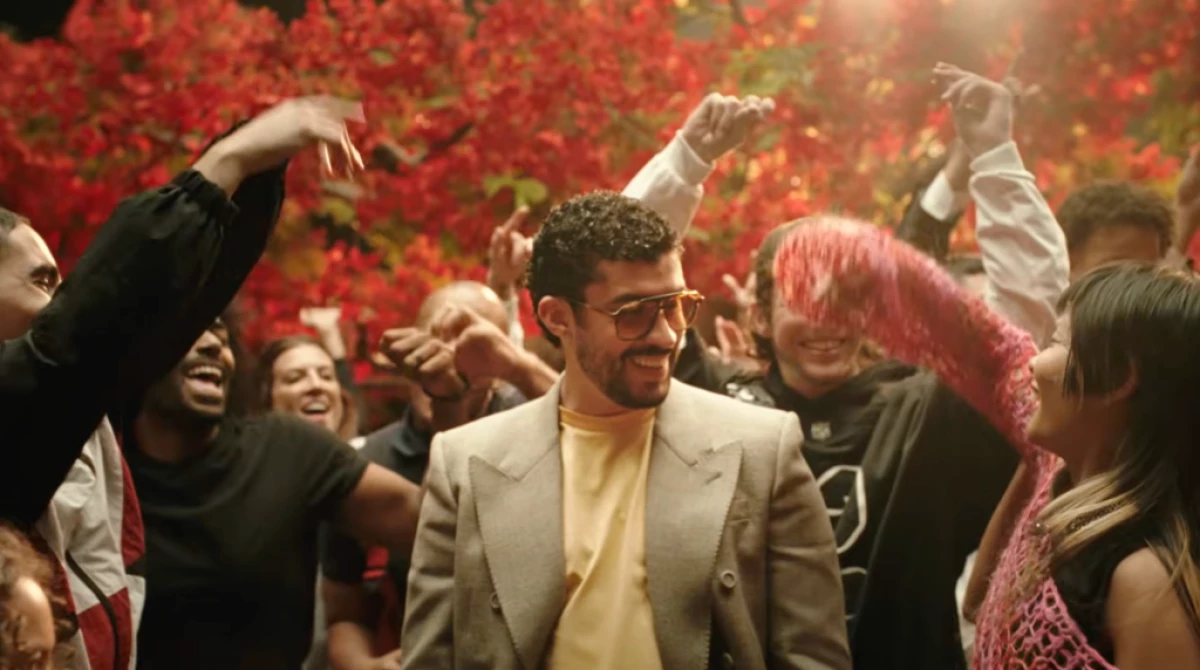
The spot opens with Bad Bunny dancing through Puerto Rico, surrounded by people of different ages and backgrounds.
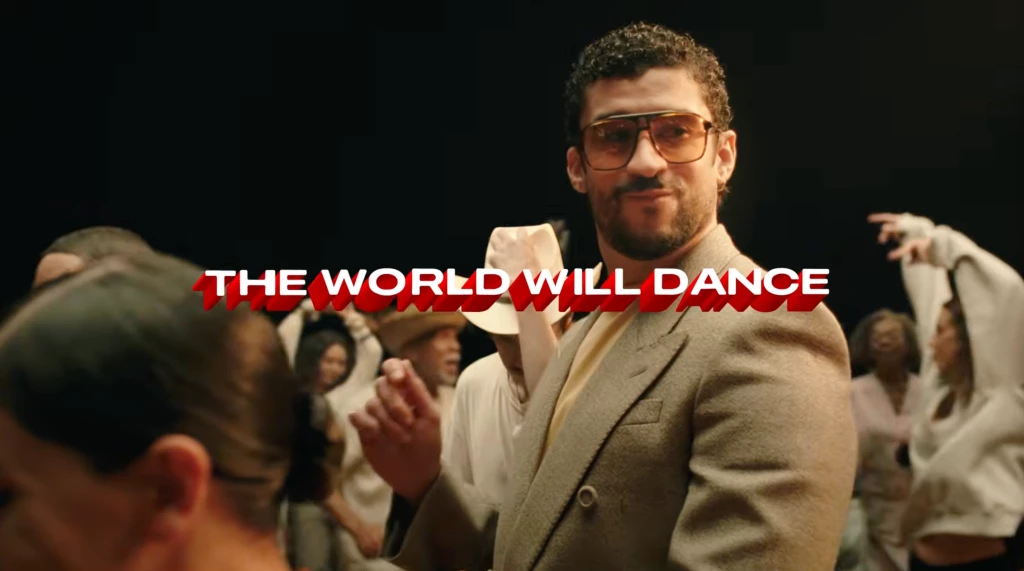
Spanish-language lyrics ground the visuals, landing a simple message: on February 8, the world dances.
That framing matters for the NFL, which has been steadily expanding its international footprint.
The halftime show is no longer just a ratings driver. It has become a signal of who the event is trying to include.
Rather than leaning on pyrotechnics or surprise celebrity cameos, the one-minute trailer favors rhythm, community, and place.
Puerto Rico is the emotional core, a creative choice that ties Bad Bunny’s identity directly to the event and reframes halftime as a cultural exchange rather than a pop concert.
The Message Arrives Before the Show
The Apple Music trailer is doing more than promoting a halftime performance. It is quietly resetting expectations for what the moment represents.
By grounding the trailer in Puerto Rico and Spanish-language music, the campaign places international audiences at the center rather than the margins.
The visuals focus on everyday people instead of spectacle, letting shared movement carry the message rather than production spectacle, with a soundtrack that commits fully to Bad Bunny’s catalog.
The trailer offers no translation or explanation, signaling confidence in cultural fluency. Even its closing line frames February 8 as a global moment rather than purely an American one.
That approach mirrors how the NFL has been shaping its presence abroad through international games and expanded media reach.
The halftime show becomes another strategic touchpoint in that effort, carrying cultural weight rather than leaning on star power alone.
Why This Moment Lands Now
The NFL’s international push has been steady for years, but halftime remains its most visible cultural stage.
The last Super Bowl drew a record 127.7 million viewers across U.S. television and streaming platforms.
But its global broadcast audience included at least 62.5 million viewers outside the United States, up roughly 10% from the previous year.
Choosing Bad Bunny and framing the reveal this way signals confidence that global audiences do not need compromise or translation to connect.
For younger viewers and international fans, the approach feels native. Music travels faster than sport, and Latin music has already proven its ability to cross borders.
In 2025, Bad Bunny was named Spotify’s Global Top Artist with nearly 19.8 billion streams worldwide, topping the global listening charts for the fourth time.
Rather than diluting the approach for domestic audiences, the trailer leans fully into that global reality, and the response has been mixed.
While many viewers have welcomed the cultural clarity, others have expressed discomfort with the Spanish-language focus.
However, that reaction appears anticipated rather than incidental.
It reflects a deliberate choice by the league about where it is placing its emphasis and who it is prepared to center as the Super Bowl continues to evolve into a global cultural moment.
For brands and leagues watching closely, the rollout offers clear takeaways:
- Cultural specificity creates broader resonance than generic mass appeal when audiences feel seen rather than marketed to.
- Global audiences respond to authenticity, not adaptation, especially on stages with worldwide reach.
- Big cultural moments reward confident, creative decisions more than safe, consensus-driven choices.
As live sports compete harder with on-demand entertainment, moments like the halftime show need to stand for something beyond volume.
Our Take: Is the NFL Finally Comfortable With Its Global Identity?
We think this moment signals less experimentation and more confidence.
The NFL is no longer testing whether global audiences exist. The numbers already answered that question.
What stands out here is the lack of compromise. The league is not softening language, overexplaining culture, or trying to make the moment universally comfortable.
By letting Bad Bunny lead with identity and place, the NFL is acknowledging that its biggest stage has already outgrown a purely domestic lens.
That choice will not resonate with everyone, and we believe the league understands that.
Discomfort, in this case, is not a misstep. It is a signal of intent.
The Super Bowl is no longer just reflecting American culture back to itself. It is reflecting the reality of a global audience that is already watching, listening, and participating.
This Super Bowl LX will run a series of big brand-name ads, including Kinder Bueno, Albert, OpenAI, Pringles, and Squarespace, just to name a few.
The reach and spectacle that this event lends to brands are iconic and, if done well, live long in the memory, as evidenced by our Best Super Bowl ads of all time.