
Agency Selection and Brand Fit: Key Findings
- Choosing the wrong agency can slow progress and increase costs, so brands need to evaluate partners carefully before committing.
- Having too many agency options can quickly become overwhelming, making it harder for decision-makers to compare providers and move forward with confidence.
- Trust plays a major role in the process, as brands often find it difficult to verify claims, experience, and whether reviews are reliable.
Seventy-seven percent of B2B buyers describe their last purchase as complex or difficult, according to Gartner.
Much of that comes down to how many people and decisions need to align before anything moves forward.
From reviewing multiple agencies to checking credibility and comparing proposals, brands often find themselves making decisions without complete clarity.
Even with more options available, choosing the right agency has become harder for decision-makers.
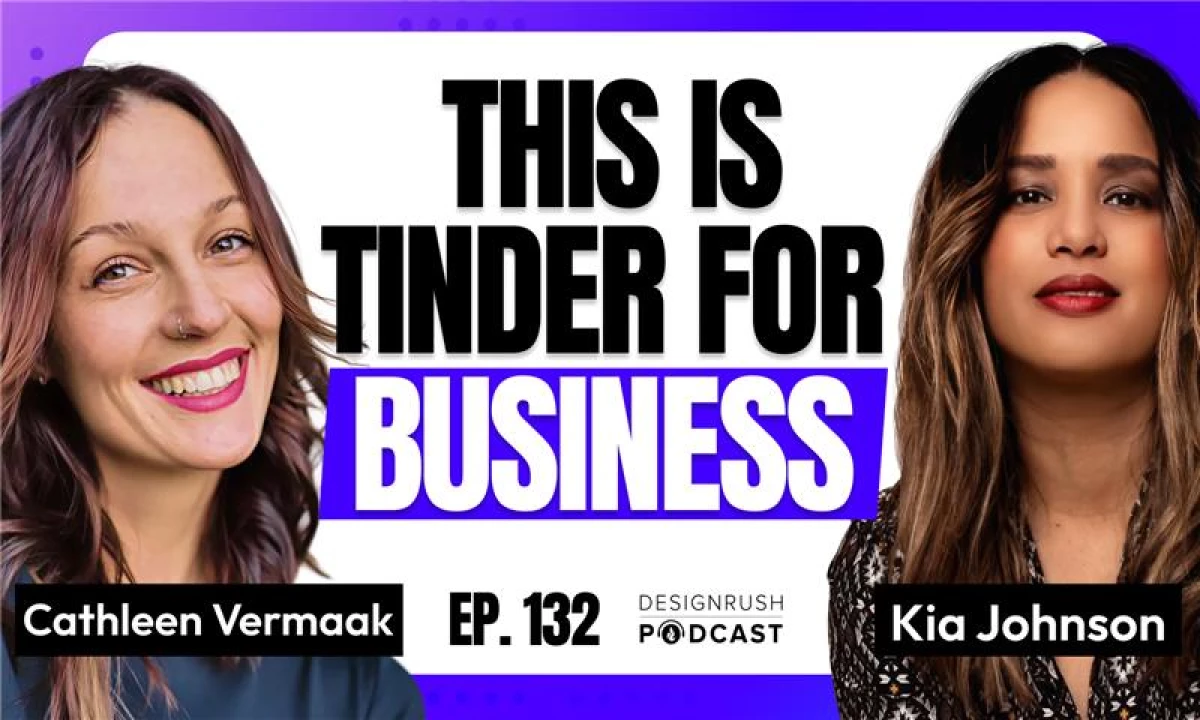
“There's a brand with a project, there's an agency that needs a project and they should just be matched up,” says Cathleen Vermaak, Head of Marketplace at DesignRush
In reality, timing, fit, and trust make that process far more complicated than it might seem at first.
In episode No. 132 of the DesignRush Podcast, Vermaak shares her perspective on why agency selection often breaks down.
She also explains where brands tend to go wrong early on and what they should focus on instead.
In this episode, Vermaak explains:
- Choosing the first agency often leads to costly mistakes
- Too many options can make decision-making harder
- Trust is one of the biggest challenges for brands
- Fit matters just as much as technical capability
- A clear project brief can save time and resources
For a closer look at Vermaak’s advice, watch the full episode on YouTube or listen on Spotify.

Who Is Cathleen Vermaak?
Cathleen Vermaak is the Head of Marketplace at DesignRush, where she focuses on connecting brands with vetted agency partners and improving how companies approach agency selection.
She brings experience in B2B sales, marketplace growth, and helping brands scale through structured, strategic partnerships.
Through her work, she helps brands simplify the agency search process and make more confident, informed decisions.
Agency Fit Matters More Than Capability
Finding an agency that can deliver on the technical side is important, but it’s rarely the full picture.
In many cases, what determines whether a project succeeds is how well the agency and brand work together day to day.
When communication styles don’t align or expectations aren’t clear, even strong teams can struggle to move things forward.
That’s why fit plays such a big role in the process.
“There's so much that goes into that agency brand partnership," Vermaak says.
More than just, do they have the skills and, can they do the project that is the budget, right? It's also a communication style between the brand and the agency.”
It’s something many brands only realise once they’re already deep into a partnership.
An agency might have the right experience and the right skills. But if the working relationship doesn’t feel right, progress can slow down quickly.
Instead of focusing only on capability, brands should pay closer attention to how an agency communicates, collaborates, and approaches the work.
That’s what helps a partnership run smoothly and deliver better results.
Choosing the Wrong Agency Can Cost More Than You Think
Going with the first agency or choosing based on price alone might feel like the easiest decision at the moment.
But more often than not, it leads to bigger problems down the line.
At first, it can seem like a quick win. The project moves forward, the budget feels manageable, and everything appears on track.
Then things start to slip.
“They take the one that can do it for the lowest budget. And we've seen that that usually is very costly at the end of the day," Vermaak says.
This is where things usually start to go wrong, often in the following ways:
- Projects stall halfway through
- Work needs to be redone
- New agencies have to step in
- Costs start increasing instead of decreasing
- Time and internal resources are stretched
Once things start slipping, it’s hard to get the project back on track.
Some brands only realise months later that the agency isn’t the right fit. By then, they’ve already invested time and budget, and starting over is the only option.
What looked like a cheaper decision upfront ends up costing more in the long run.
Too Many Options Can Make the Process Harder
Having access to thousands of agencies sounds like an advantage. In reality, it often makes choosing harder.
At a certain point, everything starts to blur together. After multiple meetings and proposals, it becomes difficult to remember which agency actually stood out.
“By the end of it, they've contacted 20 agencies,” Vermaak says.
“They've gone on all these meetings. They can't keep straight which agency actually made an impact versus which hasn't.”
Sounds pointless, right? But actually, this happens more often than brands would think.
The issue is, when there are too many options, it brings confusion rather than clarity.
That’s why narrowing your list early leads to better outcomes.
“The nice thing about having three to five choices is you can have three to five meetings and then decide which one feels best for you,” Vermaak says.
With fewer, better-matched options, it’s easier to stay focused and make a confident decision.
Trust Is What Makes or Breaks the Decision
For many brands, the biggest challenge isn’t finding agencies. It’s knowing who to trust.
On the surface, everything may look convincing.
Websites are polished, case studies look impressive, and reviews seem credible.
That doesn’t always reflect what’s happening behind the scenes.
“Everybody's website looks good. Everybody's got reviews on their website. But how much of that information is accurate?” says Cathleen Vermaak.
It’s a question that comes up more often than brands expect.
Some agencies may present themselves as full teams, when in reality they operate as a single freelancer.
Reviews can be difficult to verify, and it’s not always clear whether past work reflects the level of quality a brand actually needs.
When that uncertainty builds, it becomes harder to move forward with confidence.
That’s why trust plays such a central role in the decision-making process.
When brands feel confident in an agency’s credibility, everything else becomes easier.
When the Process Breaks Down, the Impact Adds Up
When the wrong agency is chosen, the ramifications typically don’t stay contained to one part of the project.
If big issues are present, projects get stalled, and timelines are stretched.
Internal teams have to step in more than planned, and budgets begin to increase as changes are made.
Left unresolved, these issues have the potential to balloon quite quickly.
Why? Issues that appear to be a small delay can turn into months of lost time, with teams trying to recover momentum.
“The common thread or the common pain point is just like being overwhelmed,” says Vermaak.
So, it’s not just about getting the work done. It’s about how the relationship functions day to day.
And that includes whether both sides are aligned with how to approach the project.
When that alignment is missing, progress becomes harder to maintain, and results become less predictable.
This kind of misalignment is not limited to agency relationships. It often shows up across teams as well:
Clarity at the Start Makes Everything Easier
Many of the challenges in agency selection can be traced to a single issue. And that's a lack of clarity at the beginning.
When brands aren’t sure what they want, the process becomes harder for both sides.
“If they haven't fully fleshed out the idea, what is this project about? And can you communicate what you need?”
It might not seem like a major issue at first. But without clear direction, things can quickly escalate.
This often looks like conversations that go in circles or timelines that are tricky to define.
So, while agencies can guide and support, they can’t define the entire vision on behalf of the brand.
For this reason, it's a good idea to think through the project before engaging an agency. That way, there's a clearer starting point, which ultimately makes things easier for everyone involved to move forward.
For a closer look at how brands can approach this more effectively, watch the full episode on YouTube or listen on Spotify.