
Immersive B2B Experiences: Key Findings
- $12.7B AR growth: Mobile AR in the U.S. grew 15.7% in 2024. Personalization is driving measurable ROI.
- AR/VR influence decisions: Early pilots in manufacturing, tech, and healthcare show immersive demos accelerate buying and increase engagement.
- Brand alignment matters: Consistent messaging across AR/VR touchpoints turns interactive experiences into real business impact.
Memorable touchpoints. What does that mean for today’s B2B buyers?
Buyers review three to seven pieces of content before speaking to sales, according to Oren Greenberg. That’s why rich, high-value content matters.
In other words, hyper-targeted content that feels relevant and timely.
Immersive formats take this a step further. Augmented Reality (AR), Virtual Reality (VR), and other personalized experiences let buyers engage with content in ways that make it more tangible and memorable.
And when executed thoughtfully, early pilots with AR/VR and personalized content can deliver proof points that justify larger investments.
Turning AR/VR Pilots Into Real Business Impact
About 42% of company respondents in a 2024 Deloitte survey indicated that they already use or test AR to visualize projects or simulate services for clients.
On top of that, 25% indicated further investment in extended reality (XR) within one to three years.
Why? These pilots help customers “see” the end product and make faster, more informed decisions, thus accelerating the sales process.
AR/VR projects, driven by gains in productivity, training, and customer experience, are expected to add $1.5 trillion to the global economy by 2030, according to PwC’s Seeing Is Believing report.
And as more companies explore these tools, proving real impact is key.
Too many activations end up just looking “cool,” which is why taking a strategy-first approach ensures that every experience delivers results.
"We design every experience to show real proof points, whether that’s who completes a demo, how long they engage, or which interactions signal a high intent to buy," said Mario Ramić, CEO of Takeaway Reality.
"That focus makes it easy for our clients to see the value and justify scaling up."
These results are mirrored in industrial applications, where AR and VR are driving measurable gains.
For example, Airbus and Boeing gave mechanics AR headsets and improved quality by more than 70% in some processes.
The trillion-dollar potential PwC projects comes from exactly these kinds of practical wins, where companies like Airbus and Boeing turn AR/VR from experiments into measurable improvements.
As Deloitte found, these results show that immersive technology can deliver measurable value. Success like this gives management confidence to invest in wider adoption.
This is reflected in budgets for AR and VR as companies build proof of ROI, as PwC found in its Global Entertainment & Media Outlook 2025-2029 report.
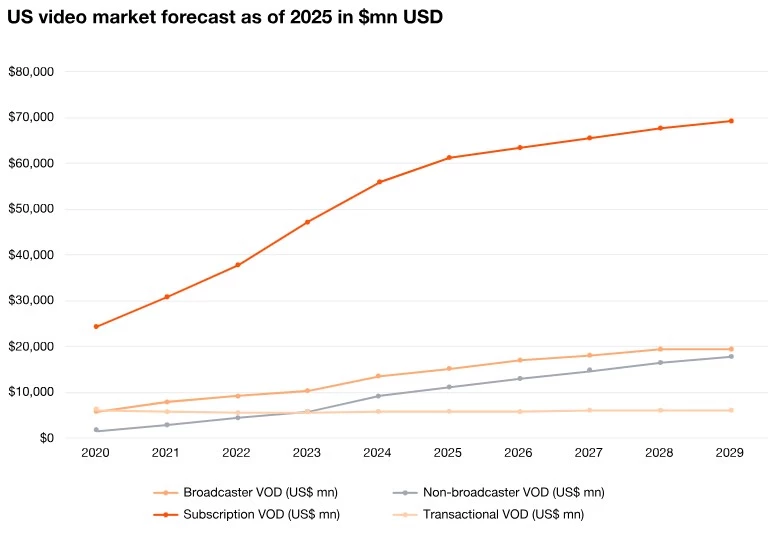
Mobile AR in the U.S. generated $12.7 billion last year, up 15.7% from 2023, with personalization proving a clear ROI driver behind the growth.
“AI lets us guide each user through an immersive experience that feels tailored to them,” said Malay Parekh, CEO of Unico Connect.
“Chatbots and recommendation engines deliver content based on user behavior in real time, so every interaction is relevant and drives engagement.”
More notably, hyper-targeted content and brand messaging are the easiest tactics for companies to implement today, as AR/VR becomes increasingly accessible.
AR and VR are proving useful in specific ways, like virtual product demos in manufacturing or showrooms in tech and healthcare.
DesignRush’s video on experiential marketing shows how AR and VR are becoming the backbone of brand activations, turning demos into interactive experiences that stick:
Adoption is picking up as hardware gets better and development costs drop.
In retail and wholesale, only about 4% of workers use AR today. Forrester’s 2024 Predictions forecasts that the number will grow by 50% next year, proving that the technology is becoming easier to put into action.
How Brand Alignment Turns AR Into Business Impact
And while strong AR/VR execution shows what’s possible, buyers respond best when every experience clearly communicates the brand’s story and value.
An AR experience will fail if the message isn’t clear. B2B decisions involve several stakeholders, and if the demo doesn’t match what the sales team presents, buyers can get confused.
That’s where brand alignment makes all the difference.
Award-winning full-service digital agency Digital Silk has outlined how messaging misalignments can be recognized and corrected.
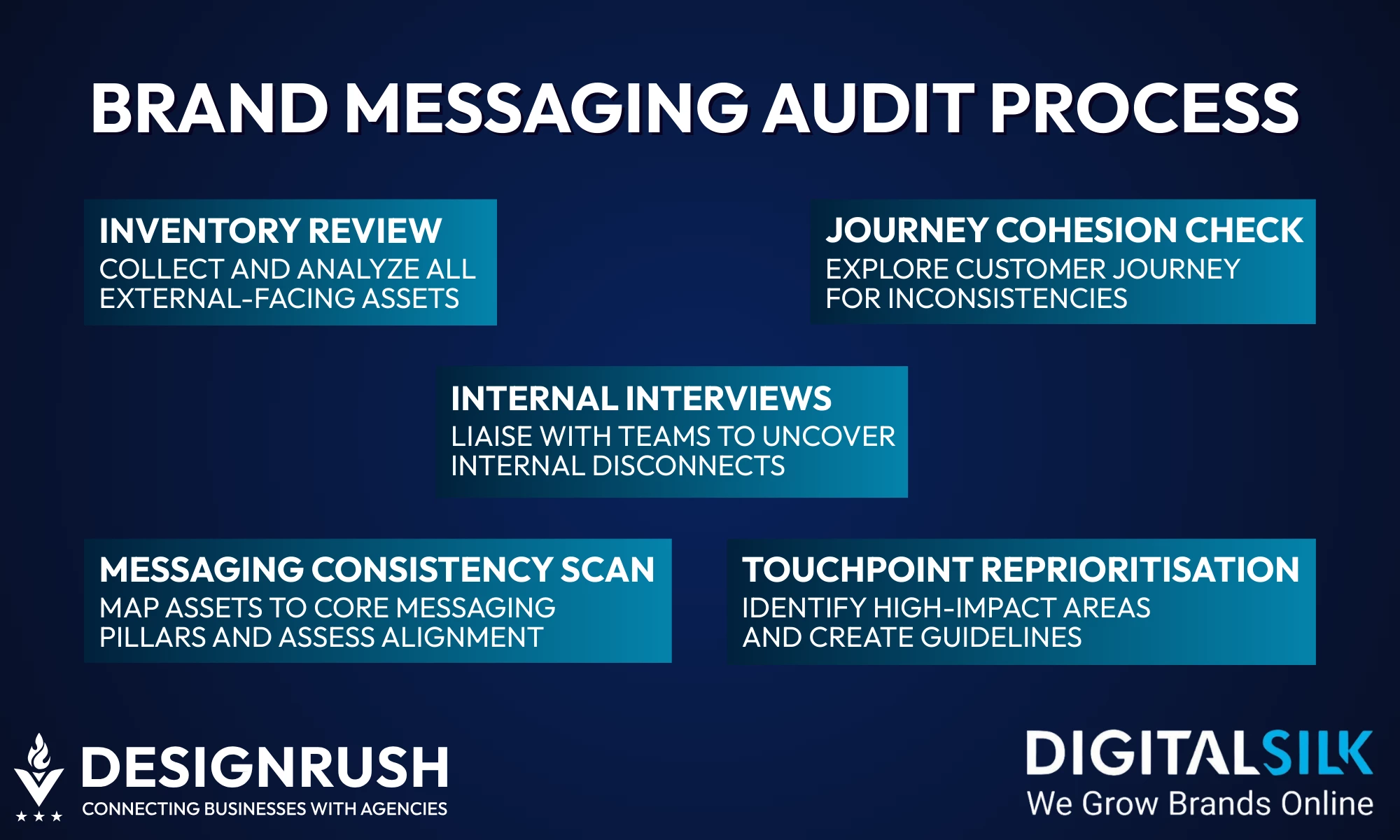
When every touchpoint reflects a company’s voice and value, each AR or VR demo reinforces the story. Clear messaging builds trust and makes the experience stick.
"The key is clarity," said Gabriel Shaoolian, Founder and CEO of Digital Silk. "We focus on the brand story first, then layer in the AR or VR elements to support it.
Every visual, interaction, and touchpoint should reinforce the message without creating noise or distraction. When the brand feels present but not overwhelming, the experience sticks."
"Testing across devices is non-negotiable," Gabriel added. "We simulate experiences on every platform our audience might use, from mobile AR to VR headsets.
Early testing reveals friction points before launch, so users see a seamless experience every time. That reliability keeps the focus on the content, not the tech."
Every AR or VR demo, every piece of targeted content, and every touchpoint that reflects the brand adds up to a memorable experience for buyers.
Across industries, firms are seeing that these elements engage buyers, speed up decisions, and deliver measurable results.
Early pilots show higher win rates and new revenue streams, proving that personalized, immersive engagement works when applied thoughtfully.
When every touchpoint reflects strategy and brand clarity, interactions stick, and memorable touchpoints turn engagement into real business impact.