
Apple is finally passing soaring memory and storage costs on to its customers.
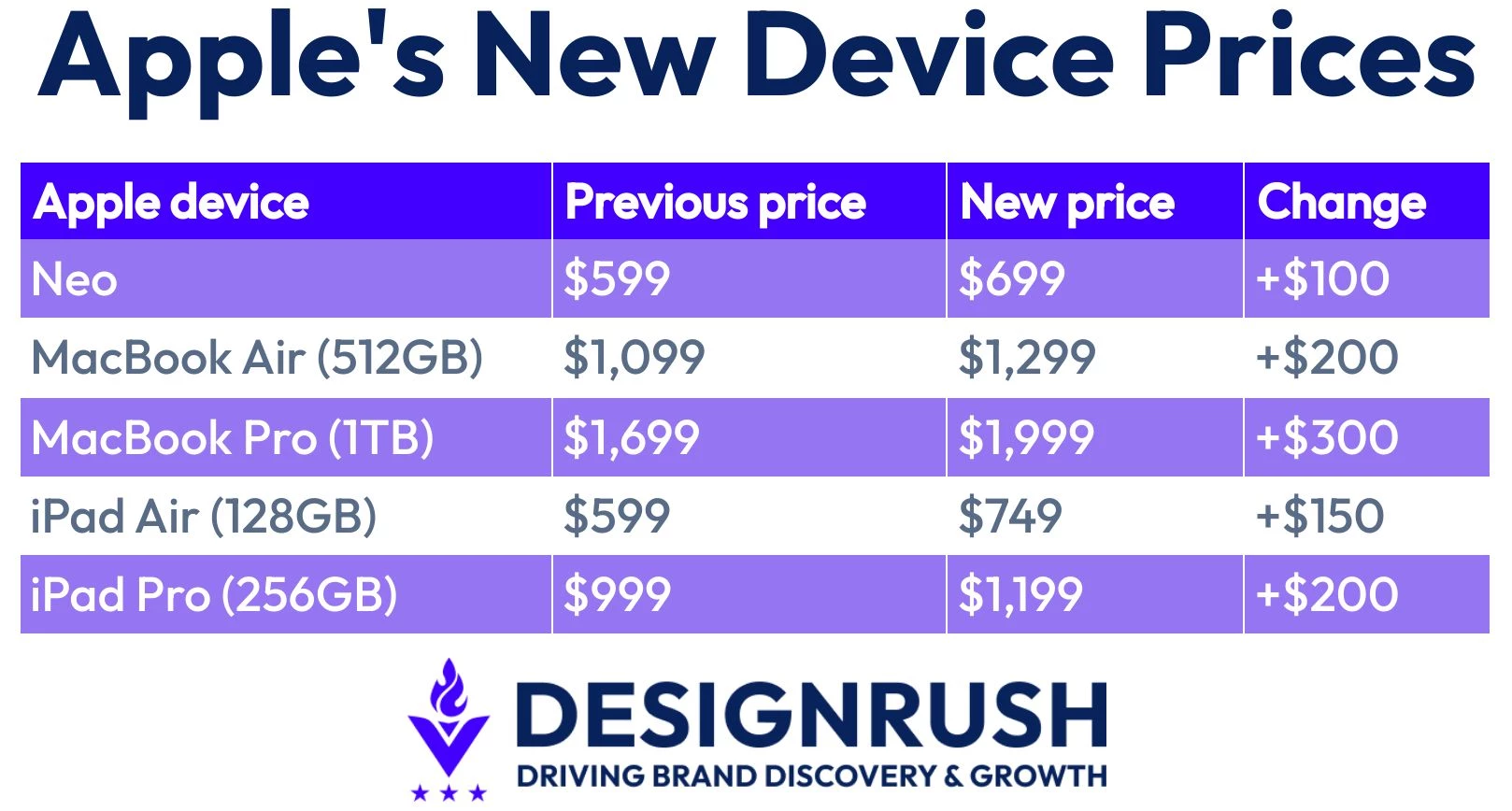
The company is raising prices on select MacBooks and iPads by as much as 20%.
The AI boom is driving memory costs so high that even Apple can't absorb them.
Data centers are buying up the chip supply, leaving less for everyone else and forcing prices up across the board.
This highlights how rising semiconductor costs are spreading across technology categories.
"We have never seen a component price increase this much, this quickly," Apple said in a statement.
"We have shielded our customers from these increases so far, but we have now reached a point where we need to begin raising prices on a number of products."
While iPhone pricing remains unchanged for now, Apple's flagship device could face similar increases if memory costs remain elevated.
The increases underscore how AI infrastructure spending is now influencing everyday consumer technology purchases.
Over $100 Extra for Apple Hardware
Apple's increases reflect mounting pressure across the electronics supply chain.
AI-focused companies, including Nvidia, have secured long-term supply agreements with memory suppliers.
This squeeze left less capacity for PC, tablet, and smartphone makers.
Apple says it's still hunting for alternatives, but called the shortage unsustainable.
The price hikes reached the company's HomePod speakers and Apple TV devices, too.
And investors took notice, with shares falling nearly 5%.
If Apple can't hold the line, smaller players have even less room to.
Dell, Lenovo, and Asus all face the same constrained memory market, so a wave of PC and laptop price increases may follow.
The 98% RAM Price Increase
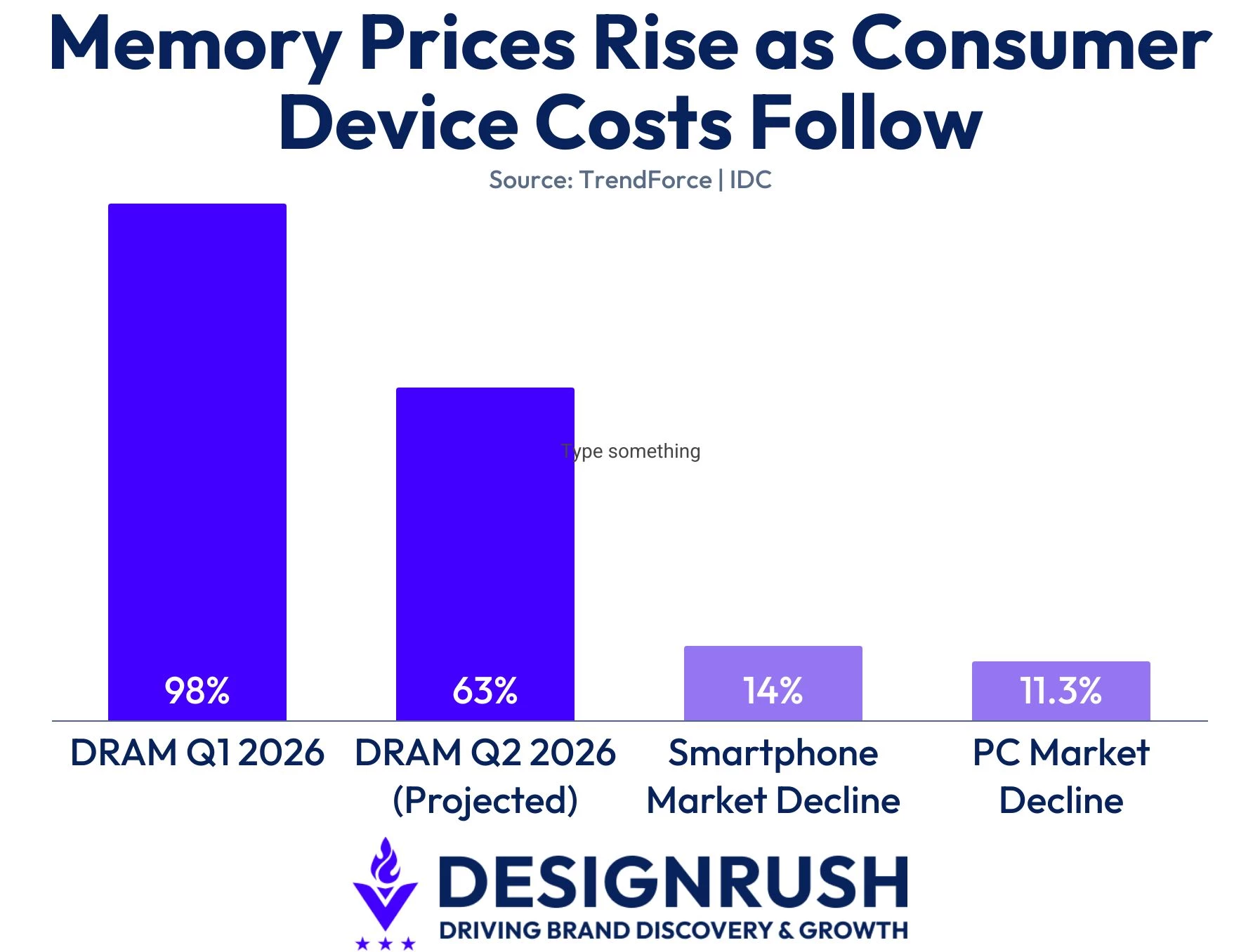
Memory prices are spiking fast. DRAM prices rose up to 98% in Q1 2026 and could climb another 58% to 63% in Q2, TrendForce reported.
AI infrastructure is eating most of the supply, since chip makers chase the higher margins data centers pay.
The fallout is already in the forecasts.
IDC expects smartphone shipments to fall nearly 14% this year and the PC market to shrink 11.3%, as higher prices push buyers to hold off on upgrades.
Companies managing products that depend on constrained supply chains can take several lessons from these incidents:
- Supply resilience creates pricing flexibility. Companies should diversify suppliers to reduce exposure when key materials become scarce.
- Premium positioning can offset cost pressure. Brands should clearly communicate product value to support price increases without eroding customer confidence.
- Forecasting must account for AI-driven demand. Businesses should monitor component markets alongside AI investment to anticipate cost changes.
Tech brands that treat supply-chain planning as a strategic function will be better positioned to protect margins during prolonged component shortages.
Our Take: Why Did Apple Raise MacBook Prices Before the iPhone?
The iPhone is the one launch Apple won't let anything overshadow.
That's why the MacBook and iPad hikes came first, since raising prices now keeps the bad news clear of the fall announcement.
Comment
by u/mythicskyz from discussion
in mac
Spreading the hikes across MacBooks and iPads now keeps the iPhone reveal in the fall clear of bad news.
We think the timing also matters as much as the prices.
Laptop and tablet buyers aren't tied to one annual event, so these lines are a safer place to test how much customers will tolerate.
But if memory costs keep climbing, Apple may have to raise its flagship's price right when it wants all eyes on the features.
Explore these top AI supply chain companies that help evaluate sourcing strategies, supplier diversification, and long-term procurement planning.