
Key Findings on Reputation Management:
- Reputation is a long-term business asset. Companies that prioritize customer experience see up to 80% revenue growth.
- Pumpkin PR helps agencies proactively build credibility through thought leadership and strategic media placement.
- Integrated PR strategies that align with business development can convert visibility into real growth opportunities.
Agencies excel at crafting brand stories for clients, but when it comes to managing their own reputation, many wait until it’s too late.
From leadership missteps to anonymous critiques in trade press, reputation issues rarely arrive with a warning.
And when they surface, they can stall new business, damage internal culture, and leave long-term trust hanging in the balance.
And yet, reputation isn’t just about risk — it’s also a powerful revenue driver.
Companies that prioritize customer experience see an 80% increase in revenue, according to Zendesk’s 2025 CX Trends Report.
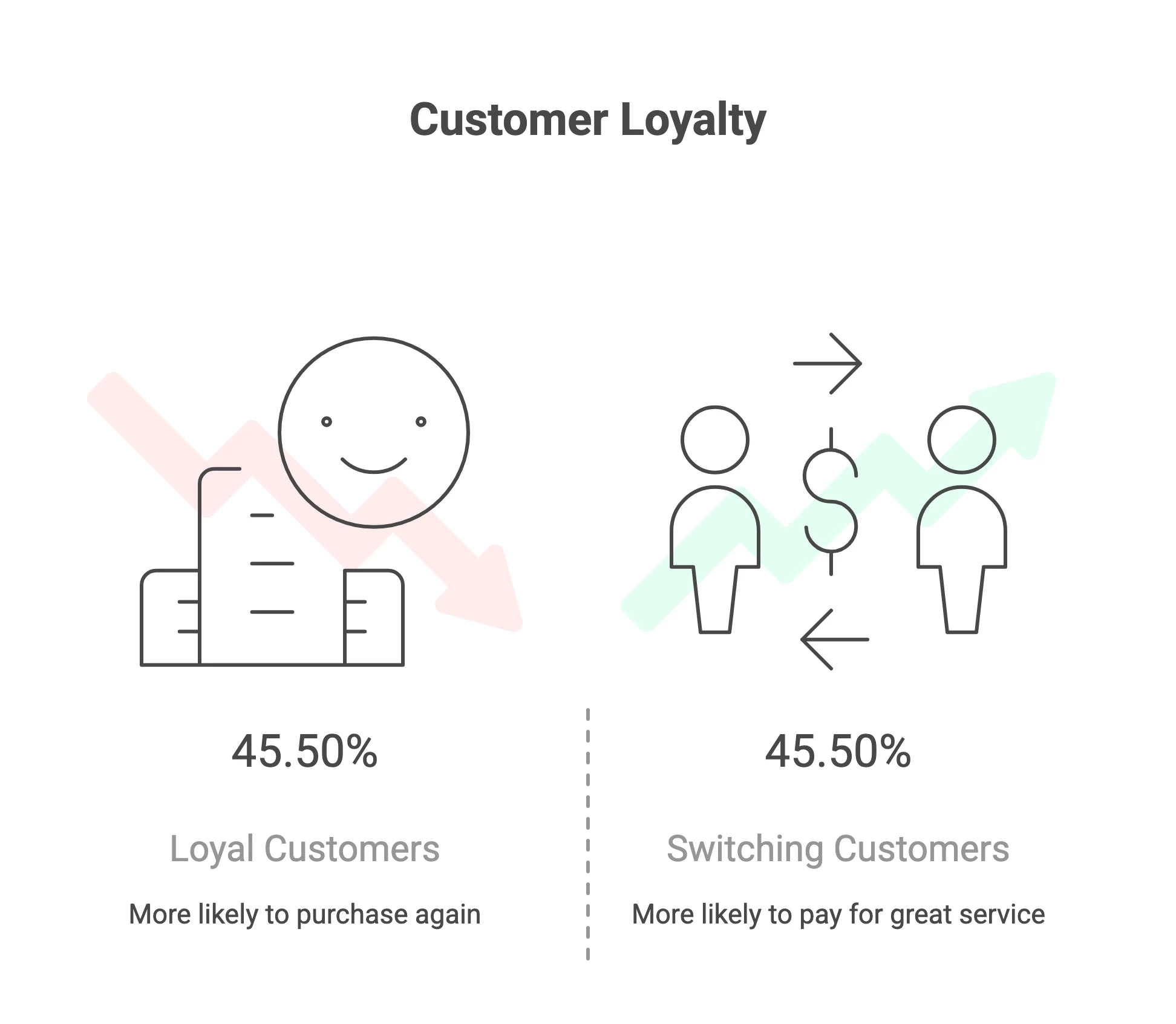
For agencies, that means every perception directly impacts the bottom line.
That’s where agencies like Pumpkin PR step in.
QUICK LISTEN: Agencies that treat reputation as a daily growth strategy win long-term trust and revenue in under 2 minutes.
Founded in 1998 by Sarah Owen, Pumpkin helps creative and B2B firms actively shape their reputation, long before crisis strikes, and guide them through high-pressure moments when it does.
In my interview with Sarah, she breaks down how her team builds credibility that lasts, what most agencies get wrong about PR, and why treating reputation as currency leads to long-term growth.

Who Is Sarah Owen?
Sarah Owen launched Pumpkin PR in 1998 after leading campaigns for Volkswagen, Orange, and The Financial Times. As a Cannes Lions moderator and former Festival of Marketing board advisor, she’s no stranger to industry influence, and she’s made reputation her agency’s core value proposition.
Make Reputation a Daily Discipline
Reputation doesn’t just open doors. It decides which ones stay open.
How others perceive your agency determines who wants to work with you, who wants to work for you, and how people speak about you when you're not in the room.
But reputation isn’t something you can conjure up during a crisis. It needs to be actively built, reinforced, and aligned with business goals every single day.
For agencies, that means regularly showing up with strategic thought leadership, earning media visibility in the right places, and telling stories that reinforce leadership in your space.
“Our job is to make sure that our clients’ reputations are enhanced,” Sarah explains.
“We do that by keeping them relevant, visible, and credible through consistent thought leadership, strategic media placements, and storytelling that positions them as leaders—not just participants.”
Building reputation is an everyday practice that, when done right, builds equity you can draw from when the stakes are high.
Strengthen Trust Before It’s Tested
The most effective PR strategies are already in motion long before any warning signs appear.
That’s because trust isn’t something you can retrofit. It’s a byproduct of consistent visibility, credibility, and control over your narrative.
That proactive stance is essential in today’s high-stakes media environment.
“Reputation management isn’t just about putting out fires or something you switch on during a crisis,” Sarah says.
“It’s what we do every day to build, shape, and amplify our clients’ long-term credibility in the market.”
This proactive approach gives agencies leverage. Whether they’re preparing for a bold rebrand or bracing for a sensitive leadership change, the groundwork is already laid.
“Whether it’s launching a bold new agency, elevating leadership voices, or navigating sensitive topics with transparency and control — we’re always working to strengthen the long game,”
Sarah explains. “Because in this industry, trust isn’t built overnight.”
Agencies that treat reputation as a long-term asset position themselves to lead with confidence, even under scrutiny.
Focus on Quiet Transformation
Some of the most powerful reputation turnarounds don’t make headlines, and that’s the point.
Strategic PR isn’t always loud; often, it’s quietly reshaping how an agency is perceived, both internally and externally, over time.
Sarah emphasizes that true success in reputation-building often happens behind the scenes.
In one case, a well-known creative agency had lost its edge in the eyes of the industry. Rather than launching a flashy rebrand, Pumpkin worked closely with the new leadership to reframe the narrative.
In another situation, the stakes were even higher: a senior leader’s exit under #MeToo scrutiny threatened both external perception and internal culture.
Here, Pumpkin’s strategy focused on long-term trust rebuilding rather than immediate damage control.
“We worked tirelessly over many months to rebuild their employee brand which is important for future hires and also values-matching for their clients,” Sarah explains.
The takeaway? Meaningful reputation repair isn’t reactive spin. It’s a patient, focused effort that addresses deeper perception gaps, often without ever needing to call attention to itself.
Spot Trouble Early Before It Makes Headlines
PR disasters rarely come out of nowhere. Often, the warning signs are there… if you’re listening. Agencies that tune into subtle cues can act before issues snowball into crises.
At Pumpkin PR, early detection is baked into the process.
The team doesn’t wait for viral backlash or breaking news to act. They look for faint signals and shifts in sentiment across platforms and press.
“The Pumpkin team like to keep their collective ear to the ground,” Sarah says. “We get early warning signs from, say, a sudden uptick in negative comments on social platforms or the odd casual, and yet critical, remark from journalists or peers.”
One of the clearest red flags? When industry media starts quoting unnamed sources.
“Once you start seeing anonymous sources being quoted in the trade media, you’ve already got a crisis on your hands,” Sarah warns.
Avoid These Common Crisis Management Mistakes
When reputation is on the line, hesitation and missteps can deepen the damage. Yet agencies still fall into familiar traps, starting with waiting too long to get help.
Sarah warns that silence or denial can backfire fast.
“There is sometimes a naivety that just because they don’t want to talk about an issue, journalists won’t ask,” she says. “That’s just not how things work.”
Silence is not a shield. Avoiding media attention rarely stops the scrutiny. It often intensifies it.
Proactively involving experienced PR advisors early can shape the narrative before it spirals.
But the most damaging move? Dishonesty.
“The absolute worst? Lying,” Sarah says. “The truth will always out, and if you’re not prepared to own any mistakes and be transparent about next steps, you run the risk of death by 1,000 cuts.”
Trust erodes fast when agencies try to cover up or downplay problems.
The smarter approach: respond early, respond honestly, and prepare your leadership to face the tough questions head-on.
Build Your Crisis Plan Before You’re in Crisis Mode
Waiting for a crisis to start planning your response is a recipe for chaos. Agencies need to treat crisis communication like fire safety: practice, preparation, and clear roles are key.
“Talk to your PR advisors. I’m proud that Pumpkin’s clients see us as an extension of their teams,” Sarah says.
That early involvement allows PR partners to help map out potential risk scenarios long before trouble strikes.
A robust crisis plan includes more than a holding statement. Sarah outlines several key elements every agency should have in place:
- A clear information and clearance cascade
- Fast-track systems for internal contact and decision-making
- Pre-approved Q&A frameworks
- Scenario planning for multiple possible outcomes
- Ongoing media training for spokespeople
The goal is to ensure leaders can communicate with confidence under pressure. For that, Pumpkin draws on the real newsroom experience of senior team members.
“Executives must be media trained, and they should practice,” Sarah explains.
“We’re lucky at Pumpkin to have two excellent media trainers in our Managing Director Maureen Corish and our Head of Content Jane Bainbridge. Between them, they have years of journalistic experience. I can think of no one better to put executives through their paces.”
Crisis readiness isn’t about paranoia. It’s about ensuring your team knows exactly what to do, say, and prioritize when time and trust are on the line.
Track the Right Reputation Signals
Many agencies measure PR success with headline count or media impressions, but those don’t tell the full story.
To build a resilient reputation, agencies need to understand how they’re actually perceived by key stakeholders.
“At Pumpkin, we regularly conduct journalist and competitor audits… from social listening to client retention and employee churn; awards wins and third-party mentions,” Sarah explains.
These deeper diagnostics help agencies identify not only what’s working but also what might be quietly undermining their credibility.
An increase in anonymous media quotes, a drop in employee morale, or fewer inbound leads can all be signs of reputational wear, and should prompt strategic adjustments before a crisis emerges.
Use PR as a Growth Engine
For agencies in media and advertising, reputation doesn’t just protect your business. It can actively grow it.
But that only happens when PR is aligned with the sales funnel, not siloed from it.
“Our proposition has evolved significantly in the last 6 months,” Sarah shares.
“Our package for events now includes securing brand meetings/leads, negotiating media partnerships… and, of course, editorial coverage.”
Integrating comms strategy with lead generation has allowed Pumpkin to help clients use their visibility to open real doors.
Sarah notes this shift has delivered tangible results.
“Clients are loving the alignment of new business growth and comms. It feels accountable to them,” she says.
Tying PR efforts to business development offers a compelling return and a smarter way to scale.
Build Trust Before You Need It
Trust is in short supply, and that creates both risk and opportunity for agencies.
“Trust is front and centre,” Sarah says. “Politicians are seeing trust levels crumble around the world; it’s a space that agencies and brands can step into to become invaluable parts of their consumers’ lives.”
But earning that trust doesn’t happen during a crisis.
It’s built steadily through transparent leadership, values-driven storytelling, and a long-term commitment to relevance and credibility.
For agencies, reputation is no longer just a reflection of their work. It is the work.
And like any critical infrastructure, it only serves its purpose if it’s solid, reliable, and already in place before the storm hits.
Crisis Communication & Agency Reputation FAQs:
How can agencies get ahead of a crisis?
Engage PR early. Create a fast-track approval system, draft Q&As for scenarios, and train your team before a crisis hits.
What are the early signs of a PR issue?
Watch for social spikes, anonymous quotes in media, or journalist interest in sensitive topics.
How should agencies handle leadership scandals?
Be transparent. Take ownership publicly and show how the agency is realigning with its values.
What should agencies track to measure reputation?
Use journalist sentiment audits, social listening, employee churn, client retention, awards, and third-party validations.
Can live events support PR and sales at once?
Yes. Through media partnerships, thought leadership panels, and curated networking, events can generate leads and reputation value together.