
Cayman Legal Fintech Key Findings:
- Misclassifying fintech activities in Cayman can trigger unexpected licensing under laws like the VASP Act. Early legal mapping is essential.
- Cayman regulators now expect real economic substance, not passive entities. Governance, local presence, and oversight are non-negotiable.
- Even strong companies can face litigation, but airtight documentation and procedural discipline can prevent major financial and reputational fallout.
Around 49% of all the world’s digital asset funds are domiciled in the Cayman Islands, according to an IFC report, and an increasing number of custodians, trading platforms, brokers, and lenders are choosing it as their home jurisdiction for regulation.
-5.30.24---AM-content-large-webp.webp "IFC")
With modern legislation like the VASP Act, a stable regulatory regime, and a deep international funds ecosystem, Cayman continues to attract fintechs and blockchain innovators looking for long-term clarity.
But too often, new entrants overlook the legal and structural foundations required to operate successfully.
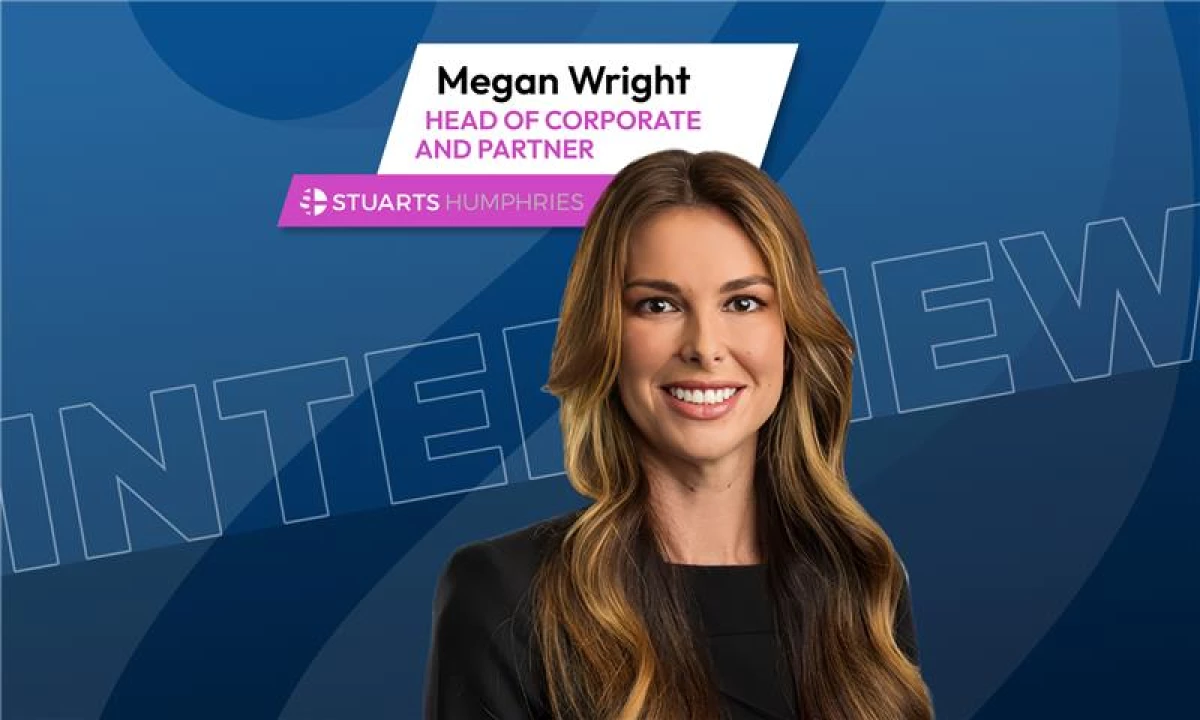
Megan Wright, partner and head of corporate at Stuarts Humphries, has guided fintech clients, fund sponsors, and institutions through complex cross-border structuring and Cayman law compliance.
And in my conversation with Megan, she shared the most common legal and strategic errors and how founders can avoid these with the right setup from day one.
Quick listen: The six legal mistakes fintechs make in Cayman — and how to avoid them, in under 2 minutes.

Who is Megan Wright?
Megan Wright is a partner and head of the corporate practice group at Stuarts Humphries, where she advises fintechs, fund sponsors, and global institutions on cross-border structuring, licensing, and Cayman Islands law. She is ranked by Chambers Global and Legal500 for her expertise in digital assets, corporate governance, and fund formation. Megan is admitted in both the Cayman Islands and (non-practising) in England and Wales. Outside of work, she’s a fan of Formula One and the Exeter Chiefs RFC.
1. Classify Activities Carefully to Avoid Enforcement Action
Cayman Island regulators look at what your product actually does. Misclassifying your token, platform, or advisory service could trigger licensing obligations under Cayman law.
This is particularly risky for founders operating across borders who assume Cayman Island’s definitions align with their home market.
They often find out too late that they’ve entered regulated territory without the required license or registration.
“Fintech firms often fail to properly map their business to local licensing laws like SIBA (Securities Investment Business Act) and the VASP Act,” Megan says.
“In the Cayman Islands, even if a token or service isn’t labelled as a ‘security,’ it might still trigger licensing or registration.”
That’s why Megan stresses doing a thorough legal review before launch:
“Case by case analysis of each digital asset offering is essential.”
2. Meet Substance Requirements
The Cayman Islands is no longer a jurisdiction where companies can get by with a mailbox and a board that meets once a year.
The standard now is real economic substance, which means active operations, local oversight, and documented decision-making.
Startups that fail to demonstrate substance are at risk of more than regulatory scrutiny.
It can also undermine investor confidence, especially for companies raising capital from institutional backers who are increasingly focused on governance and transparency.
“Entities in Cayman must meet regulatory expectations around economic substance, beneficial ownership, governance, and fiduciary oversight — even if operating offshore,” Megan says.
“Minimal presence or passive structure can lead to compliance failures and reputational risk.”
3. Align Your Legal Structure with Fundraising and Exit Strategy
The legal vehicle you choose in the Cayman Islands can affect your regulatory classification.
This can directly impact your ability to raise funds, satisfy investor protections, and plan for future exits or tokenomics.
Choosing between an exempted company, a foundation, or a segregated portfolio company (SPC) may seem like a formality.
But for fintech and digital asset ventures, each structure carries tradeoffs for voting rights, asset protection, and operational complexity.
“Choosing the right vehicle, from exempted companies to foundation companies or segregated portfolio companies is essential,” Megan explains.
“Structuring carries implications for investor rights, regulatory compliance, tax reporting and winding down. A mismatch can handicap fundraising or trigger regulatory red flags.”
4. Coordinate Across Jurisdictions to Prevent Costly Delays
Fintech is global by nature. Many Cayman-registered entities have founders, directors, investors, or service providers scattered across different time zones and legal systems.
Without tight coordination, things can fall through the cracks, especially when launching, fundraising, or responding to regulatory requirements.
Megan says one of the most overlooked risks is failing to align everyone involved on their responsibilities and timelines.
“Stakeholder coordination across jurisdictions — especially aligning expectations among founders, offshore funds, service providers, onshore counsel and directors,” she says.
“Without documented alignment on timelines, obligations, and regulatory sequencing projects may stall.”
5. Keep Governance Docs Up to Date and Aligned with Operations
In the rush to launch or raise capital, governance documents often fall to the bottom of the priority list.
But over time, outdated documents can conflict with how the business actually operates, creating confusion for investors and compliance headaches down the road.
Regularly refreshing your articles of association, shareholder agreements, and board protocols helps you stay aligned with changing regulations, business models, and cap tables.
“Clients can overlook the importance of keeping their constitutional and governance documents aligned with commercial reality — but outdated or inconsistent terms can delay deals, confuse investors or trigger compliance issues,” Megan notes.
“Clear, current documentation is a strategic asset, not just a legal formality.”
6. Get Proactive About Compliance Before It’s Mandated
Firms that wait until something becomes mandatory often find themselves scrambling to restructure or explain past oversights to regulators or investors.
According to Megan, the smartest companies are building compliance into their governance processes now, not waiting for a legal deadline.
She recommends three key strategies:
- Document audit & refresh: Review and update all offering, governance, and disclosure materials to accurately reflect how the business operates across different jurisdictions.
- Regulatory horizon mapping: Proactively track upcoming changes in AML, ESG, VASP, or substance laws and plan ahead to stay compliant.
- Governance alignment: Demonstrate active board oversight, real economic presence, and proper fiduciary conduct to meet regulatory standards set by CIMA and FATF.
Learn from Litigation: Documentation Can Protect You
Even well-structured companies can face complex, high-stakes disputes.
But airtight documentation and strict procedural compliance can make or break the outcome in court.
Stuarts Humphries recently represented a group of defendants, including individuals and entities based in Chile, Barbados, and the Cayman Islands, facing a US$42 million claim.
The case involved allegations of director misconduct and asset misappropriation related to a Cayman Islands holding company.
The plaintiff sought to rectify the company’s share register and pursue a derivative action on behalf of the company.
However, the defendants successfully challenged the proceedings on multiple grounds.
They demonstrated that the plaintiff had failed to follow proper legal protocols for serving documents across jurisdictions, particularly under Chilean law, and had breached the duty of full and frank disclosure.
As a result, the Cayman Islands Grand Court dismissed the claim after a two-day hearing.
Orders previously granted to the plaintiff, such as permission to serve out of jurisdiction, were set aside, and the court found no reasonable cause of action against the remaining defendant.
Stuarts’ clients were awarded costs on an indemnity basis.
The takeaway: Solid governance and procedural precision are strategic safeguards that can protect a business from reputational damage and significant financial loss.
Don’t Wait Until There’s a Problem
Legal issues in the Cayman Islands often don’t show up until they’re already slowing things down, but most of these problems can be avoided with the right setup early on.
For fintechs entering the market, legal structuring isn’t just about ticking boxes.
It’s about giving your business the stability and clarity it needs to scale across jurisdictions with confidence.
Fintech Structuring & Compliance in Cayman FAQs:
What triggers licensing under Cayman’s VASP Act or SIBA?
Advising, dealing, or holding digital assets can require registration, even if your asset isn’t a security. Review each product thoroughly.
Why is economic substance a big deal in Cayman?
Authorities expect genuine presence, active governance, and visible management. Shell companies or passive structures don’t cut it anymore.
How should fintechs choose the right Cayman entity?
Foundations, SPCs, and exempted companies each carry different tax, investor, and governance implications. Match structure to strategy early.
What’s the most common mistake in cross-border fintech launches?
Poor coordination between legal teams, directors, and founders. Missing this step leads to mismatched timelines, miscommunication, and risk exposure.
Why should I refresh governance documents regularly?
Outdated bylaws or inconsistent terms can stall deals and frustrate regulators. Clean documents help you move faster and safer.