
Editor’s Note: This is a sponsored article created in partnership with Takeaway Reality.
Key Takeaways:
- Instructional design is just as critical as technical quality in VR education.
- Real-world use cases offer essential insight into what works — and what doesn’t.
- Testing with learners early and often sharpens both engagement and outcomes.
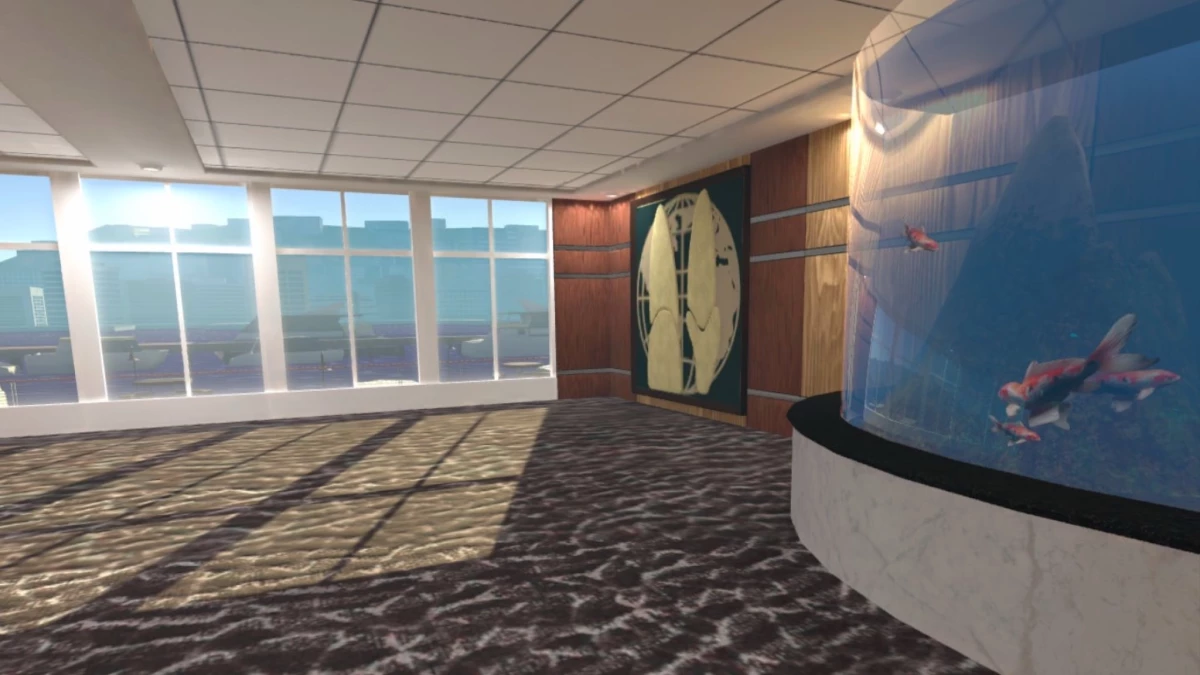
The KOIS Center VR training app, developed by Takeaway Reality, was recently nominated for an Auggie Award, one of the most recognized honors in the XR industry.
The Auggie Awards have recognized outstanding global achievements in the AR and VR industries since 2010.
Winners will be announced at The Auggie Awards Ceremony on June 11 in Long Beach, CA.
This nomination highlights a growing recognition: effective VR education is not just about high-end visuals or interactivity. It’s about whether the platform helps people learn.
VR training can enhance retention rates, with employees retaining up to 80% of knowledge even after a year, according to immersive learning data from Takeaway Reality.
But those outcomes depend on thoughtful design, both technically and pedagogically.
From curriculum structure to interaction design, successful platforms must balance immersive storytelling with well-defined instructional goals.
The KOIS Center app offers a practical example of how to get that balance right.
Here are three grounded lessons in building impactful VR education, based on what worked — and what had to be rethought — during the development of this award-nominated platform.
1. Start with a Clear Educational Objective
In VR education, the technology should never overshadow the learning objectives.
The goal is to create a meaningful experience that helps learners achieve specific educational outcomes.
Without a clear vision of what needs to be taught, VR can quickly become an overwhelming and confusing tool for both educators and students.
Takeaway Reality’s work on the KOIS Center VR app demonstrated the importance of defining educational goals upfront.
The project’s aim was to replicate a comprehensive dental education experience, allowing dentists to practice procedures, attend lectures, and interact with peers in a virtual space.
"The most important element for us was to mimic the experience the learners get while attending in-person education in the KOIS center while adding digital features such as AI, remote capabilities and interactive training to enhance the experience," said Mario Ramić, CEO of Takeaway Reality.
By focusing on the key educational outcomes — hands-on skill development, real-time collaboration, and assessment of knowledge — the platform was able to stay aligned with the needs of its users.
When designing VR education, be sure to:
- Identify specific skills or knowledge you want learners to gain.
- Structure content to ensure it aligns with those objectives (for example, by introducing foundational concepts before moving on to more complex tasks).
- Set measurable outcomes to track learner progress and the success of the platform.
This approach ensures that VR serves as a tool to enhance, and not distract, from the learning process.
2. Prioritize Interactivity and Engagement
One of the most significant advantages of VR is its ability to immerse learners in an environment where they can interact with the material and their peers.
This interactivity creates a deeper connection with the content, increasing the likelihood that students will retain and apply the knowledge they gain.
For the KOIS Center VR app, Takeaway Reality focused on creating engaging, interactive modules that allowed dental students to practice real-world procedures in a controlled, virtual environment.
For instance, users could perform tasks like dental checkups and surgeries in a highly realistic VR setting.
By allowing learners to do rather than just watch or listen, the platform boosted engagement and ensured that skills were being put into practice in a safe space.
"Our focus on holistic education. A lot of VR education experiences focus on one element of education. We focused on building a truly virtual education experience that can encompass all of the learnings required," Ramić said.
To maximize the impact of interactivity in VR education, consider these tips:
- Create simulations and hands-on exercises that let learners practice their skills in real-world scenarios.
- Integrate multi-sensory feedback (e.g., haptic technology, sound, and visual cues) to make interactions feel more lifelike.
- Allow learners to make mistakes without consequences, fostering a safe environment for trial and error.
Engagement through interactivity is crucial in building knowledge that sticks, and VR is uniquely positioned to make that possible.
3. Ensure Real-Time Collaboration and Peer Interaction
Traditional education can often feel isolating for learners, particularly in specialized fields where peer interaction is key to developing expertise.
VR, however, has the potential to bring students together in a shared, immersive environment where collaboration can flourish.
Takeaway Reality incorporated multiplayer capabilities into the KOIS Center VR app, which enabled dental professionals to attend virtual lectures together, discuss case studies, and share insights in real-time.
This collaboration fosters a community of learners, a crucial aspect of knowledge retention, as participants can apply what they’ve learned in group discussions and peer-to-peer interactions.
The app's community feature was one of its standout elements, facilitating social learning and engagement throughout the experience.
"The collaborative features are a key part of the app, education is not just about learning, it is about meeting fellow learners and networking as much as it is about understanding the subject," Ramić said.
To promote collaboration and peer interaction in VR:
- Create virtual spaces where users can interact, such as study groups, discussion forums, and collaborative labs.
- Allow real-time communication through chat features, video calls, or voice interactions.
- Design group-based tasks or challenges that require learners to work together and share knowledge to solve problems.
The more opportunities you provide for collaboration, the more engaged and connected your learners will be with the content and each other.
Achieving Balance for Impactful VR Learning
Creating a successful VR education experience isn't about pushing technology to its limits — it’s about finding a balance between educational goals, interactivity, and collaboration.
When designed thoughtfully, VR has the power to revolutionize learning by offering immersive, hands-on experiences that drive real, measurable results.
Takeaway Reality’s KOIS Center VR app is a prime example of how to balance technical execution with instructional strategy.
As VR continues to grow in the educational space, aviation, and manufacturing, it’s crucial to keep these principles in mind.
Aligning technology with clear educational goals while fostering interactivity and collaboration enables VR to enhance learning outcomes and retention rates significantly.