
Automation & Analytics in Wellness: Key Findings
- Automation reduces operational friction, giving wellness teams more time to focus on delivering consistent, high-touch client experiences.
- Centralized data and analytics surface clear, actionable insights that help business owners make smarter decisions and grow with confidence.
- Wellness clients increasingly expect tailored, data-driven experiences, and brands that personalize offerings using real-time insights are positioned to earn long-term loyalty.
Flexible schedules. Personalized options. Fewer frictions.
These are no longer bonus features in the wellness space; they’re baseline expectations.
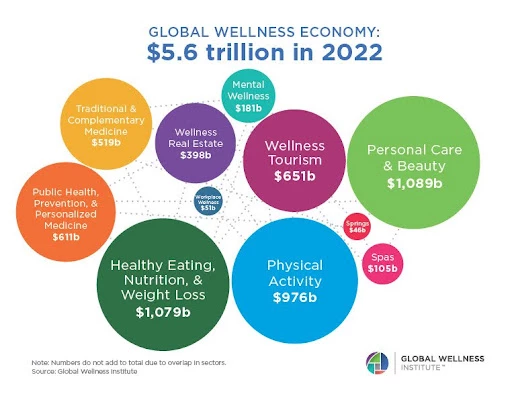
The wellness industry is expanding rapidly, with the global market projected to reach $8.5 trillion by 2027, according to the Global Wellness Institute.
But for many fitness and beauty businesses, meeting today’s customer expectations still means wrestling with outdated systems and siloed tools.
Fortunately, bridging that gap between what clients want and what businesses can deliver is what technology does best.
Emma Galli, senior director of global brand at Playlist — the team behind Mindbody, ClassPass, and Booker — works closely with wellness brands navigating these shifts.
I spoke with Emma about how automation and analytics are reshaping the wellness experience, and what it takes to grow sustainably in a fast-moving industry.

Who Is Emma Galli?
Emma Galli is the senior director of global brand at Playlist, the in-house creative and strategy team for Mindbody, ClassPass, and Booker. With over a decade of experience in brand, content, and creative leadership across wellness, fashion, and tech, Emma helps businesses turn complexity into clarity with scalable brand and platform strategies.
Streamline Operations with Automation
Wellness professionals are great at what they do: teaching classes, serving clients, and building community.
But they’re not always tech experts, and juggling multiple tools for scheduling, payments, marketing, and analytics can quickly create friction.
When day-to-day tasks like client follow-ups, onboarding, and retention workflows pile up, it pulls focus away from strategy and service.
Automating those operations helps businesses free up time and deliver more consistent customer experiences.
But knowing what to automate and how to do it effectively is where many businesses hit a wall.
“Most business owners in the wellness industry are focused on delivering great experiences, not vetting which tools to adopt, when to implement them, or how to integrate them,” Emma says.
When systems run smoothly in the background, owners can focus on what matters most: delivering high-touch, personal experiences that keep clients coming back.
Use Analytics for Clarity
Automation creates efficiency. But long-term growth depends on clarity.
When business owners have visibility into what’s working and what’s not, they can make smarter, more confident decisions.
Tools that surface actionable insights make it easier to course-correct, re-engage clients, or double down on what’s driving results.
“Every data point should lead to a clear takeaway. Real growth happens with visibility, context, and confidence,” Emma says.
Without that clarity, businesses risk investing in the wrong tactics or missing opportunities to boost retention, revenue, and customer satisfaction.
Scale with Centralized Insight
The real power of automation and analytics comes into focus when a business begins to scale — and Studio Pilates is a clear example of how it works in the real world.
Headquartered in Australia, the boutique fitness franchise has expanded to over 115 locations across six countries.
With that kind of rapid growth, one of their biggest challenges was maintaining visibility across the network.
Leadership needed to understand what was working, where support was needed, and how to keep the brand experience consistent, no matter the location.
A real-time performance dashboard helped solve that. It gave HQ the ability to track results across all studios and make smarter, faster decisions.
Payments integration also removed financial friction, improving clarity on both the local and enterprise levels.
“The ability to have each location’s merchant account directly integrated into their site has increased transparency, support, and accessibility at both an HQ and local level,” says Emma, quoting COO Jade Winter.
Studio Pilates shows what’s possible when the right systems are in place and data supports every decision.
The result: scalable growth, consistent service, and empowered teams from the top down.
Track KPIs That Drive Growth
Surface-level metrics like bookings or revenue totals don’t tell the whole story.
The most impactful KPIs offer valuable insights into customer behavior, operational health, and growth opportunities.
Key metrics to keep track of include:
- Revenue per client – Uncovers opportunities to increase customer lifetime value
- Utilization rate – Highlights whether classes, services, or staff are being used efficiently
- Cancellation and conversion trends – Reveals friction points in the customer journey
- Customer satisfaction – Offers early signals on retention and brand loyalty
“But the right metrics should do more than report performance — they should also inform action,” Emma notes.
When insights drive next steps, data becomes a growth engine, not just a scorecard.
Partner with Strategic Agencies
Wellness brands need partners who understand their day-to-day realities and long-term goals.
The agencies delivering the biggest impact go beyond campaigns. They immerse themselves in the brand’s world, anticipate challenges, and contribute ideas that fuel sustainable growth.
“The most successful agency partners operate as true extensions of the client team,” she says.
That strategic alignment allows agencies to build messaging and campaigns that evolve with the brand, not just the brief.
Personalize the Client Experience
From data-driven services to recovery-focused offerings, personalization is reshaping the wellness experience.
And it’s not just theory — it’s driving real behavior change.
On ClassPass, Body Scans grew 159% last year — a clear sign that clients are actively seeking more tailored, tech-enabled approaches to wellness.
But growth like that doesn’t happen by chance. It’s powered by intent: businesses that track user preferences, segment their audiences, and personalize offers based on past behaviors and real-time needs.
“The businesses that use this data to tailor offerings and reengage customers in a meaningful way will win,” Emma says.
So how can businesses start personalizing in meaningful, scalable ways?
Here’s a quick framework:
- Collect relevant data – Use digital intake forms, class history, or service feedback to gather meaningful preferences.
Segment your audience – Group clients by need, frequency, or goals (e.g. recovery seekers vs. fitness enthusiasts).
Automate tailored touchpoints – Send personalized recommendations, offers, or check-ins based on real-time behavior.
Test and refine – Measure engagement and adjust messaging or timing to improve retention and relevance.
After all, personalization isn’t about one big campaign.
It’s about using everyday data to meet clients where they are, with what they actually need.
Streamline to Scale Smart
Long-term success in wellness comes down to two things: consistently great experiences and the ability to grow without chaos.
That’s only possible when businesses streamline operations and turn insight into action.
Instead of juggling disconnected tools, invest in systems that automate the busywork and surface clear data about what’s working and what isn’t.
When teams have the time and clarity to make better decisions, they can deliver the kind of high-touch, personalized service that keeps clients coming back.
Success doesn’t require doing everything.
It requires doing the right things and letting technology take care of the rest.
Wellness Tech & Automation FAQs
What are analytics tools and how do they help wellness brands?
Analytics platforms help fitness and beauty businesses track performance and identify trends, including revenue per client and class attendance. They enable real-time, data-driven decision-making.
How does automation help fitness businesses grow?
Automation reduces time spent on admin tasks like reminders and follow-ups, while increasing client retention. AI-powered tools can also help businesses re-engage customers who may churn.
What is benchmarking in fitness business analytics?
Benchmarking lets businesses compare performance metrics with similar operators in their market or vertical. It helps identify strengths and gaps to guide operational and marketing strategy.
Why are wellness businesses adopting personalization tech?
Consumers now expect tailored experiences. Personalization tools, often powered by AI and wearables, help businesses recommend services and build loyalty through individualized care.
Can small studios use these tools effectively?
Yes, smaller teams benefit greatly from automation and data-driven platforms. The right tools scale to meet needs from solo operators to global franchises.