
Why Brands Are Upgrading to CRO Tools in 2025: Key Findings
- Dynamic visual tools like heatmaps and session recordings reveal what traditional analytics miss, helping brands fix UX issues and improve conversion without relying on raw data alone.
- Built-in CRO features such as surveys, chat, and announcements let eCommerce and agency teams act on visitor intent in real time, reducing tool sprawl and increasing campaign speed.
- Session-based pricing with full feature access eliminates hidden costs, allowing scaling brands to optimize enterprise workflows without complex tiers or support barriers.
More than 70% of digital transformation efforts fail due to poor visibility into user behavior, according to studies published in the Journal of Business Research.
For marketing and UX teams, not knowing how users actually behave can make it nearly impossible to turn traffic into conversions. Traditional analytics rarely provide the full picture.
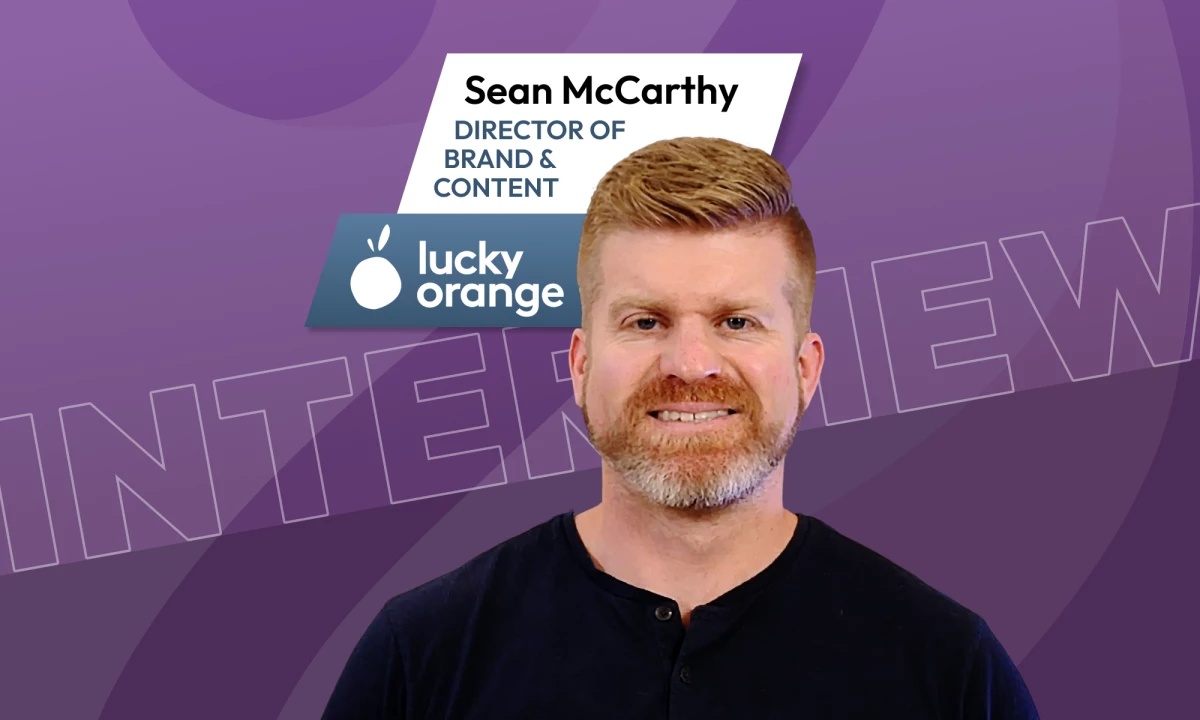
In this interview with DesignRush, Lucky Orange Director of Brand & Content Sean McCarthy shares why over 500,000 websites use Lucky Orange for behavioral insight.
He also explains how prominent brands use it to optimize faster.

Who Is Sean McCarthy?
Sean McCarthy is the Director of Brand & Content at Lucky Orange, a leading conversion rate optimization platform used by over 500,000 websites. He helps marketers and UX teams turn complex visitor data into actionable insights and hosts The Lucky Orange Show, a podcast focused on data-driven growth.
1. Visual Behavior Data That Replaces Guesswork
When teams are overwhelmed by conflicting data, Lucky Orange gives them visual clarity.
Heatmaps and scroll maps show marketers which offers get attention, while session recordings reveal UX problems that raw metrics can’t.
"Marketers rely on heatmaps and scroll maps to see which offers and CTAs actually pull attention," McCarthy explains. "UX teams use session recordings to pinpoint usability issues that numbers alone can’t explain."
eCommerce brands use this same visibility to track how shoppers engage with product pages, from browsing to cart abandonment. With all data tied back to specific visitor sessions, teams get instant context.
2. Always-On Monitoring Without Constant Check-Ins
Rather than sifting through dashboards or scheduling deep dives, Lucky Orange lets teams keep a live pulse on what matters.
"Marketers keep an eye on campaign landing pages to make sure traffic is converting. UX leads monitor forms and navigation for friction," says McCarthy.
eCommerce managers focus on checkout flows and high-value product pages.
This always-on monitoring empowers teams to stay proactive, fixing issues fast instead of reacting to lagging metrics.
3. A Full CRO Toolkit Without the Tool Sprawl
Instead of piecing together multiple tools, Lucky Orange provides a full CRO stack in one platform.
Teams use on-site surveys to test messaging, announcements to drive urgency, and live chat to catch intent, all connected to behavior data.
"Marketers refine campaigns, UX teams validate design changes, and ecommerce brands move quickly without extra overhead," McCarthy explains.
The result is fewer tools, faster learning, and tighter iteration loops.
4. Transparent Pricing and Flexibility for Growing Brands
Many enterprise brands discover Lucky Orange through integrations with Shopify or HubSpot.
"Price got us noticed, but dynamic heatmaps kept big teams engaged," McCarthy shares.
They quickly saw the value of flexibility: deep segmentation, custom data support, and fast exports.
"Add responsive support and straightforward enterprise pricing, and it’s an easy decision," he adds.
Even at scale, the platform keeps pricing transparent and user access simple, a rare find in enterprise SaaS.
5. Built to Support eCommerce, Agencies, and SMBs Alike
From agencies to eCommerce managers, Lucky Orange adapts to how teams work. eCommerce brands track PPC traffic and product flows.
Agencies deliver visual reports backed by session replays. Small businesses use the dashboard for a quick health check.
"Our core audience is mid-market marketers at lead-gen and eCommerce brands," McCarthy says. "But agencies and small businesses fit right in."
The key is having flexible tools that serve everyone without diluting power for the core user.
6. A Roadmap Driven by Usability, Not Feature Bloat
Across thousands of websites, Lucky Orange saw one insight repeat: usability wins.
"If visitors can’t find what they need or finish a task, nothing else matters," McCarthy notes.
This realization shaped the launch of Page Insights, Form Analytics, and the soon-to-debut Discovery, a chat-based feature that flags usability issues and recommends high-impact fixes.
By listening to behavior patterns, the product roadmap stays focused on real obstacles that block conversions.
7. Scalable by Design, With No Hidden Tiers or Tool Limits
For high-traffic sites, platform performance and pricing structure matter. Lucky Orange keeps both clean: one plan, full toolkit, pay by session volume.
"Whether you see 100 or 10 million sessions, you get the full toolkit and direct access to support," says McCarthy. "No tiers, no hidden limits."
This no-surprises model wins over enterprise teams who are tired of confusing tiers and slow support.
How Brands Are Turning Insights Into Conversions
For marketers and UX teams who want actionable insight, Lucky Orange bridges the gap between analytics and behavior.
With built-in tools and simple pricing, teams can optimize faster without waiting for a data analyst or new budget cycle.
If you're ready to understand what your visitors actually do and why they don’t convert, check out DesignRush’s list of top CRO agencies.