
Key Takeaways:
- Declining event viewership directly impacts sponsorship value, reducing advertising revenue and brand exposure.
- Businesses must invest in engagement-driven experiences to capture and retain audience interest in a competitive market.
- Continuous innovation is essential for brands to stay relevant and adapt to shifting consumer preferences and media consumption habits.
The NBA All-Star Game was once a marquee event, drawing millions of viewers and commanding premium advertising dollars.
But the 2025 edition tells a different story.
The 2025 All-Star Game suffered a 13% drop in viewership from the previous year, making it the second-least-watched All-Star Game ever.
NBA All-Star Game viewership was down 13% vs last year.
— Ryan Glasspiegel (@sportsrapport) February 19, 2025
2025 - 4.718M viewers across TNT/TBS/TruTV
2024 - 5.398M
Note that Nielsen recently boosted OOH ratings and the Super Bowl set a record despite not being a close game.
Unfortunately for the NBA and its advertisers, this is not an isolated incident.
NBA ratings across key events have been on a downward trajectory, raising concerns for the brands and networks that rely on its massive reach to connect with consumers.
Experts point to several factors that contributed to this decline:
- Lack of competitive play
- Marquee names suddenly pulling out of the game
- Continuous format changes
- Strange mid-game segments
- Oversaturated entertainment landscape
The NBA has floated ideas like a one-on-one tournament to reignite interest, but the bigger conversation should be about how these viewership trends affect the brands and advertisers who invest heavily in sports marketing.
When Viewership Drops, So Does ROI
For advertisers, declining viewership translates to diminishing returns.
Despite the ratings dip, the cost of a 30-second ad spot for the 2025 All-Star Game remained significant.
The problem?
A shrinking audience means fewer impressions, lower engagement, and ultimately, weaker brand impact.
Chart detailing NBA All-Star Game viewership since 2000 by rising @FOS star @colincsalao.
— Ryan Glasspiegel (@sportsrapport) February 19, 2025
The NBA is expecting to get a shot in the arm when All-Star Weekend airs on NBC and Peacock next season. pic.twitter.com/EFFKiuTIrY
These issues are magnified significantly because the NBA All-Star Game typically falls on the same month as the Super Bowl, which continues to dominate as the premier advertising spectacle.
With brands already allocating massive budgets to the NFL’s biggest night, a less compelling All-Star Game makes it difficult for brands to justify spending big dollars on both events.
This imbalance presents a challenge for brands and agencies determining how to allocate marketing and advertising spend effectively.
Changing the Playbook
Of course, this doesn’t mean that brands should pull their ads from future All-Star Games and other NBA events.
While declining viewership raises concerns, live sports remain one of the few media environments where audiences actively engage in real-time — an increasingly rare opportunity for advertisers.
Rather than retreating from sports marketing altogether, advertising strategies must evolve while the NBA attempts to correct course:
1. Diversify Your Media Mix
Relying solely on national TV broadcasts is an outdated playbook.
Advertisers should develop multi-channel campaigns that extend across streaming platforms, social media, and owned digital properties.
This ensures sustained exposure beyond the live event and allows brands to reach younger, digitally native audiences who consume sports content in fragmented ways.
2. Go Beyond The TV Screen
The rise of second-screen behavior means fans aren’t just watching the game — they're simultaneously scrolling, commenting, and interacting online.
Brands that incorporate real-time social engagement, interactive ads, and exclusive digital content can capitalize on this shift.
Alternatively, brands and advertisers should explore staging activations and pocket events during All-Star Weekend.
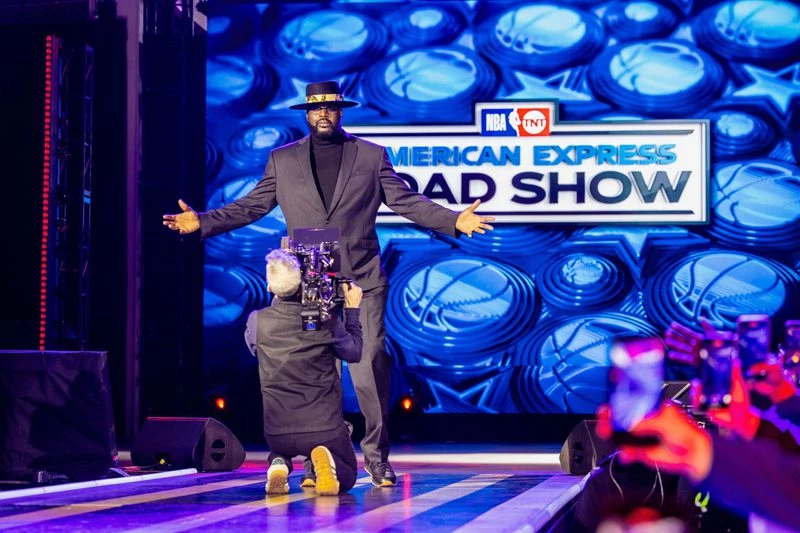
Although the All-Star Game is the big draw, the entire weekend is a high-visibility platform filled with fan experiences, media coverage, and influencer presence.
By hosting VIP experiences, brand-sponsored lounges, interactive pop-ups, or athlete meet-and-greets, advertisers can capture the energy of All-Star Weekend without being solely reliant on the game’s TV audience.
3. Leverage Precision Targeting
The broad-reach nature of traditional TV buys is becoming less effective as audiences splinter.
Brands need to shift toward data-driven targeting strategies that use AI, first-party data, and programmatic advertising to deliver hyper-personalized messaging to the right audience segments.
This approach not only improves conversion potential, but it also makes ad spending more efficient.
The Future of Sports Advertising
Just because the NBA All-Star Game is losing its shine doesn’t mean sports marketing is any less valuable. However, the traditional approach of banking on live TV audiences is no longer enough.
For advertisers, the challenge is clear: prioritize engagement over exposure. Success will come to those who blend data, interactivity, and multi-platform storytelling to maximize ad impact.
As the sports landscape changes, so must the strategies of those who seek to capitalize on it.
The future belongs to those who adapt, innovate, and understand that a single event’s viewership numbers are no longer the only metric of success.