
Swatch 'Slanted Eye' Backlash: Key Findings
- Swatch pulled a global ad after backlash in China over a racist “slanted eyes” gesture.
- Despite a swift apology, boycott calls are growing across Chinese social media.
- China sales were already down 30% YoY, amplifying the fallout’s financial risk.
Quick listen: Swatch’s backlash proves cultural missteps are costly — here’s what leaders should know, in under 2 minutes.
What happens when one photo crosses a cultural line?
For Swatch, a single image in a global ad campaign sparked outrage, boycotts, and a reputational storm that shows no brand is safe from cultural blind spots.
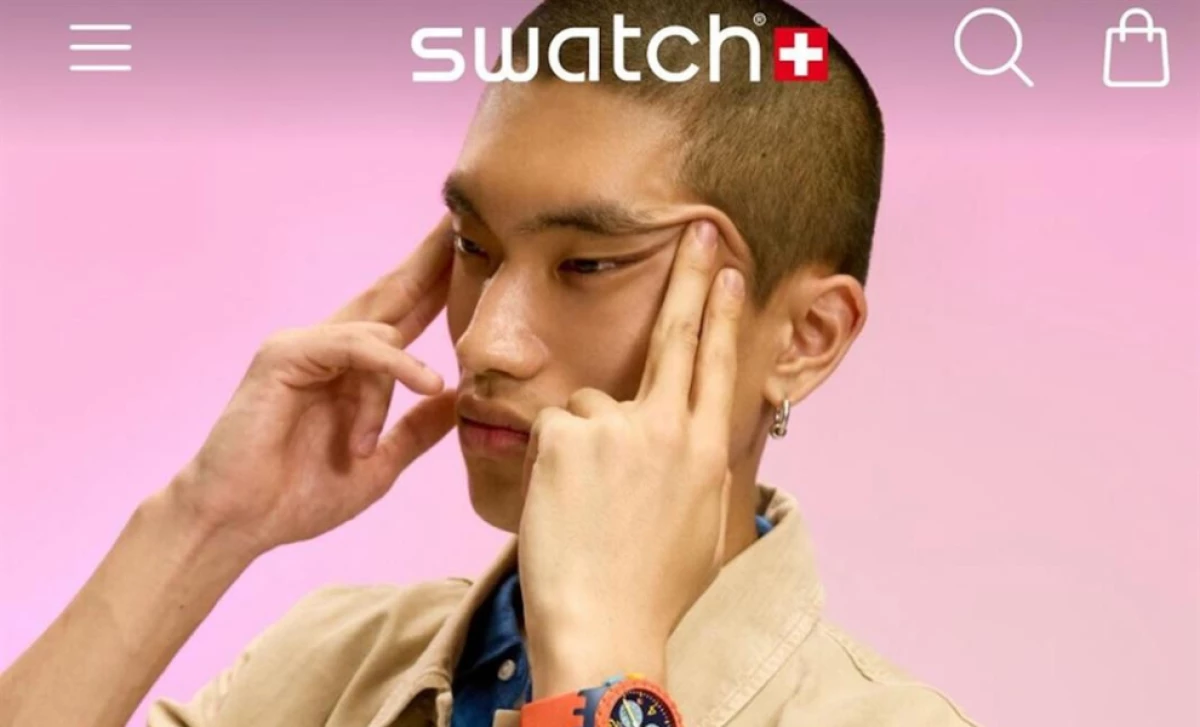
The Swiss watch and jewelry brand faces backlash in China after an ad showed a model making a racist “slanted eyes” gesture.
The campaign, part of the Swatch Essentials Collection, quickly drew fire online.
Chinese social media users condemned the ad, with many questioning how such an image could have possibly passed internal approvals.
The brand responded by taking down the image and posting apologies in both Chinese and English on Weibo and Instagram.
But the apologies did little to appease Chinese users.
Boycott calls spread quickly against Swatch and its sister brands Longines, Omega, and Tissot.
On Weibo, one influencer with over a million followers accused Swatch of “racism against Chinese” and urged regulators to punish the brand.
Others saw the gesture as a “deliberate display of supremacy and dominance” rather than a naive mistake.
On Instagram, comments in English echoed similar outrage.
One user wrote that such clear racism against Asians has been “tolerated and normalized” for too long.
They added that if this ad had targeted any other racial minority, “it would definitely not be tolerated.”
A Blow in a Critical Market
The timing could hardly be worse for Swatch Group.
Nearly a third of its global revenue comes from Greater China, yet the company has already been battling slowing sales.
Asia only accounts for 53% of @Swatch global business. Most of that coming from... you guessed it.🤭 #owngoal#marketingfail
— Brian Tycangco 鄭彥渊 (@BrianTycangco) August 18, 2025
Watchmaker Swatch apologises for 'slanted eye' ad after online backlash in China https://t.co/hZ9HbmGVF2pic.twitter.com/Vhm8w0Rdw4
In the first half of 2025, sales fell more than 11% year over year, with wholesale revenue in China alone plunging by over 30%.
Against that backdrop, a reputational crisis only sharpens the company’s financial struggles.
A single image may cost Swatch tens of millions in China sales.
For global marketers, the lesson is clear: cultural misalignment isn’t just bad PR, it’s bad business.
Recent surveys back this up: 69% of global consumers say they will boycott brands they perceive as culturally insensitive, according to a 2020 study.
A Pattern Among Western Brands
Swatch is not the first Western brand to stumble.
Gucci and Dior have faced similar backlash in Asian markets for ads featuring models with “slanted eye” poses.
Recent #Dior Ad has sparked outrage in #Korea, many say the eyes pulled back in a slanted shape is Asian stereotypes and racism.
— MEDIEUS🛡️ (@MEDIEUS1) April 14, 2023
Similar incident had also happened in China (the ad looked evil).
What's your thought?
👇 pic.twitter.com/2LikEsCGqY
Each controversy has followed the same pattern: online outrage, boycott calls, and reputational damage.
These mishaps reveal a persistent blind spot in how some Western luxury brands handle campaigns involving other cultures.
Cultural Sensitivity Cannot Be an Afterthought
Marketing leaders say this latest uproar underscores a systemic issue.
Jessica Yue, founder and CEO of Polaris+, a marketing agency focused on Chinese audiences, noted what happens when diverse voices aren’t present in creative development.
“What might seem like a bold or artistic campaign from the outside can feel very different in China, especially when it involves facial features that have been mocked for generations.”
She told B&T that Chinese consumers today are more vocal and less forgiving:
“They are not just reacting to one brand. They are calling for a boycott of the entire group.”
According to Yue, the solution lies in embedding cultural expertise at the start of the process.
“The most powerful way to engage a community is by working with people from that community. Not just to translate, but to shape the work with real insight and lived experience.”
Mark Borkowski, who runs a public relations consultancy in London, stressed how damaging the misstep is at a brand level.
"It is very significant for a brand of that scale to misfire in this way.
This carelessness is really quite a fundamental mistake."
Jeremy Koh, founder of KOPI, a marketing agency that helps Western brands enter China, also shared his thoughts on why brands seem to repeat these mistakes so often.
"In China, missteps aren’t just about offending sensibilities. They signal that a brand doesn’t value its audience enough to understand them.
The fallout is magnified in a digitally connected market where criticism spreads fast and reputations erode even faster. Avoiding this requires local expertise at the strategy stage, not damage control after the fact."
Brand leaders should see the Swatch controversy as more than a single PR flare-up.
It’s a reminder of how quickly a cultural misstep can snowball into long-term reputational loss.
The key lessons are clear:
- Respect is non-negotiable. In markets like China, cultural pride shapes buying decisions. A single slip can erase years of goodwill.
- Social media magnifies mistakes. Outrage moves instantly across platforms, transforming one local campaign into a global liability.
- Broken trust is hard to rebuild. Apologies may calm some critics in the short term, but restoring loyalty often takes years.
For CMOs and marketing teams, avoiding these cultural pitfalls takes more than awareness.
It requires structure and discipline:
- Audit global campaigns with local teams. Bring market experts into the creative process from the start to avoid one-size-fits-all approvals.
- Establish a cultural sensitivity checklist. Require every campaign to clear a review for potentially loaded gestures, language, and symbols.
- Run crisis simulations. Train marketing teams with scenario drills so they can respond swiftly and empathetically when backlash hits.
Embedding these steps into everyday practice helps brands anticipate risks, act with cultural intelligence, and safeguard long-term trust.
Ultimately, prevention is the only sustainable strategy.
For brands operating internationally or preparing to enter new markets, cultural awareness can no longer be treated as optional.
It must be built into the foundation of every campaign.
Our Take: How Many More Warnings Do Global Brands Need?
I see Swatch’s stumble as part of a pattern that global marketers can no longer dismiss as isolated incidents.
Every backlash against Dior, Gucci, and now Swatch has shown me that cultural missteps are not creative accidents; they are costly strategic failures.
If I were advising a leadership team, I would push them to treat cultural literacy as a non-negotiable business investment on par with market research and brand safety.
The real question is not whether brands can afford cultural review, but whether they can survive without it.
Swatch isn’t alone in facing scrutiny over creative choices, as recent ad bans on Zara and BrewDog show how brand ethics are now under sharper global watch.
Avoid the backlash before it begins. These firms embed cultural expertise into every stage of brand development, from concept to launch.