
Zara and BrewDog Banned Ads: Key Findings
- ASA banned Zara ads after models appeared with protruding collarbones and visibly thin limbs.
- It also pulled BrewDog’s poster for implying beer could solve boredom or loneliness.
- The agency pushes CMOs to reassess visual standards and emotional claims in campaigns.
Quick listen: Why Zara and BrewDog’s banned ads are a wake-up call for brand ethics — in under 2 minutes.
Style and storytelling no longer get a free pass when public health is at stake.
Zara and BrewDog are the latest brands banned by the UK’s Advertising Standards Authority amid stricter rules on body image and emotional messaging.
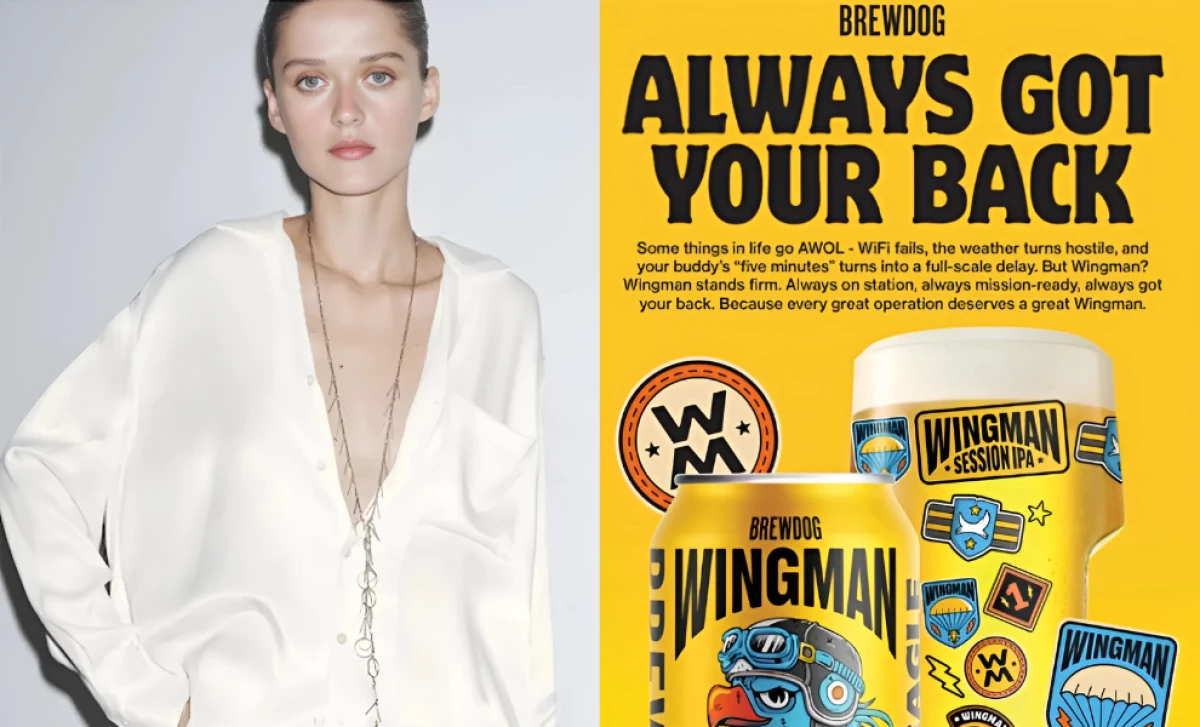
The fashion brand had to pull two fashion ads after the August 6, 2025 ASA ruling stated the images presented models who appeared “unhealthily thin.”
One Zara photo emphasized collarbones with lighting and styling; another made legs appear unusually slim.

Both ads were labeled "irresponsible," and Zara removed the flagged images from its website and app.
The company stated that both models had medical clearance verifying their health and noted that the images underwent only minimal adjustments to lighting and color.
Still, the watchdog ruled the visuals breached responsible advertising standards.
Zara pointed to its alignment with a longstanding industry report on model health, but that wasn’t enough to prevent the ban.
BrewDog faced a different kind of complaint.
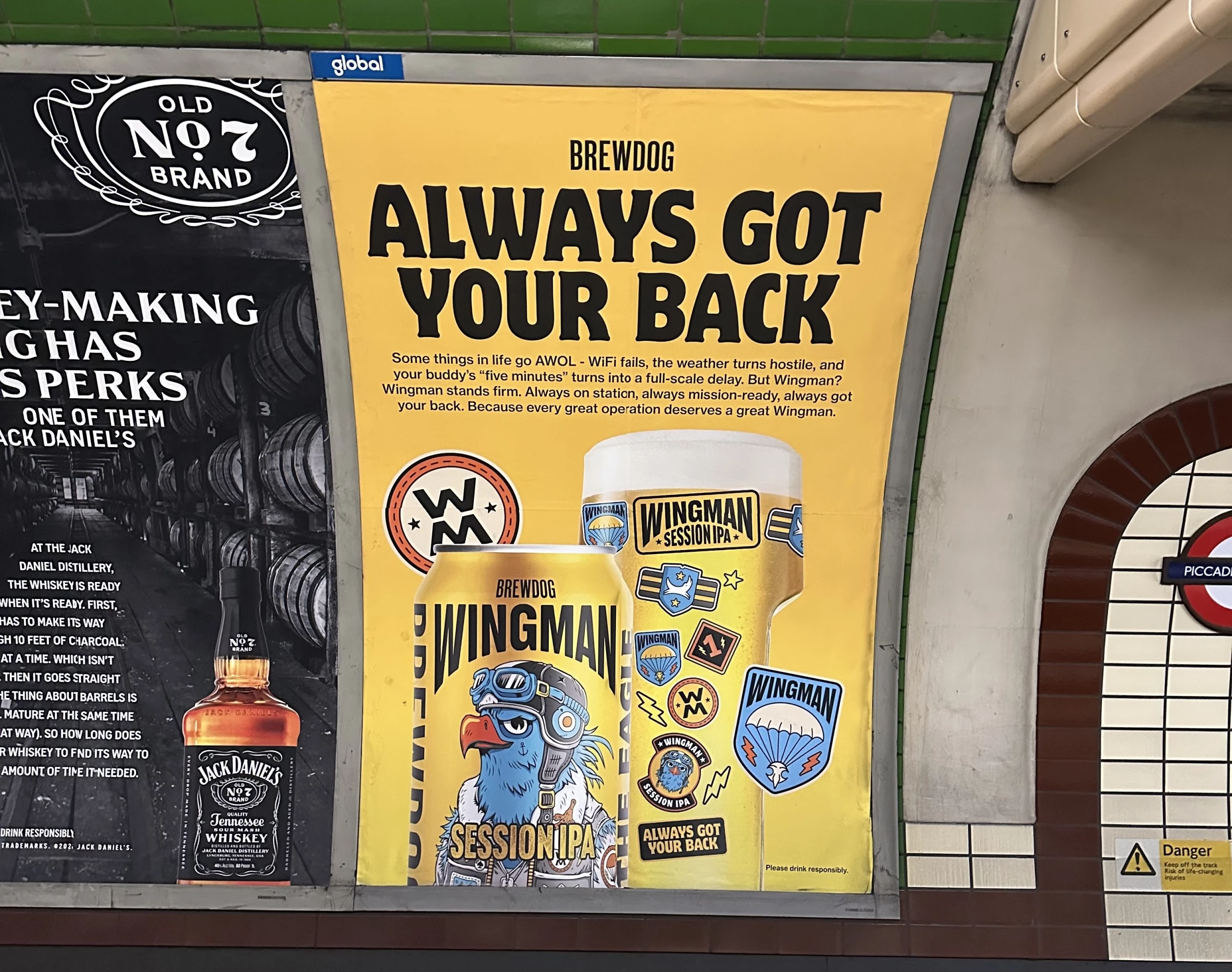
The brand’s May poster ad for Wingman Session IPA featured the tagline “Always got your back” alongside references to everyday frustrations like bad weather or unreliable friends.
The ASA ruled BrewDog’s ad implied alcohol could offer emotional support, violating advertising codes.
“We considered that although the ad used metaphorical language to evoke Wingman’s reliability, consistency and a sense of camaraderie, the scenarios presented were real-life problems that were likely to impact people in a negative way and the implication was that Wingman was a solution to overcoming those problems that were likely to result in boredom, frustration and potentially loneliness."
This isn’t the first time the ASA has flagged ads for mixing lifestyle claims with sensitive messaging.
Earlier this year, a campaign from CBD beverage brand Trip was pulled for implying its drink could improve mental health.
In that case, too, ASA pointed to the risk of consumers interpreting product language as a promise of psychological relief.
Public Reactions Question Consistency
The ASA’s actions sparked pushback online, especially in response to the Zara ruling.
Some commentators argued that while underweight models are routinely flagged, campaigns featuring overweight or obese models face no scrutiny.
ASA codes discourage the depiction of unhealthy body types in either direction, yet critics say enforcement focuses only on thinness.
Comment
by u/topotaul from discussion
in unitedkingdom
Others questioned whether “body positivity” has created an uneven standard, where only certain portrayals are policed.
BrewDog’s ban also drew skepticism, with some calling the ruling overly literal.
One viral comment summed up the sentiment:
The only thing BrewDog’s ads should say: "Drink responsibly. Or don’t. We’re not your mum. Or your therapist." #TruthInAdvertising
— Baxter (@SnarkyPaws1) August 6, 2025
The ASA has not responded to these critiques.
Brand Imagery vs. Brand Integrity
These ASA rulings don’t just reflect stricter oversight; they separate aesthetic choices from ethical responsibility.
Zara and BrewDog both crossed that line, but in very different ways:
- Zara leaned heavily into fashion minimalism, where lighting and styling drew focus to extreme thinness.
- BrewDog tried for playful copy, but ended up suggesting emotional comfort in a beer.
In both cases, intent didn’t matter. What counted was how the public could reasonably interpret the ads.
For CMOs, that’s the new standard.
It’s no longer enough to vet campaigns for clarity or creativity.
Teams need to ask how each image and phrase will land in a cultural context.
If those questions aren’t asked internally, they will be asked by regulators.
And while these were not large-scale campaigns, they carried significant implications:
- Fashion leaders must revisit how posing, lighting, and styling shape public perception of body norms
- Alcohol marketers must avoid language that flirts with emotional relief, even in lighthearted formats
- The brands that will keep consumer trust are the ones who read the room before they release the work.
In a climate where public judgment moves faster than brand review cycles, strong campaigns are not just visually sharp.
They are culturally aware.
Our Take: Are Brands Overcorrecting or Finally Catching Up?
I don’t believe this is overcorrection.
As a business reporter, I see it as long-overdue course-setting for brands that have operated in gray areas for too long.
Too many executives still treat cultural response as an afterthought rather than part of the creative brief.
If brands want lasting relevance, they need to build messaging that respects perception as much as it celebrates intent.
To see how wellness branding is facing similar scrutiny, read how Poppi’s settlement is raising new questions about health claims in marketing.
The bar for brand integrity keeps rising. These agencies help you build campaigns that earn trust, not just attention.