
Getting Diversity in Advertising Right: Key Findings
- Recent ad controversies from Sanex and Swatch highlight that even well-intentioned campaigns can misfire if cultural nuances are overlooked.
- Homogeneous teams, speed-to-market pressures, and limited cultural literacy are common causes behind such cultural missteps.
- Long-term brand growth requires embedding accountability, equity, and authentic engagement into brand–agency partnerships.
Quick listen: Sanex, Swatch, and American Eagle faced ad backlash in 2025. Here’s the branding lesson on cultural risk — in under 3 minutes.
It’s no secret that brands and agencies are leaning into inclusivity as a core pillar in their campaigns.
In fact, 12% of brands reported a significant increase in budget allocation for multicultural media in 2024, according to The Myers Report survey.
Similarly, 44% of brands reported a moderate increase, showcasing inclusion as a strong trend for 2025 and beyond.
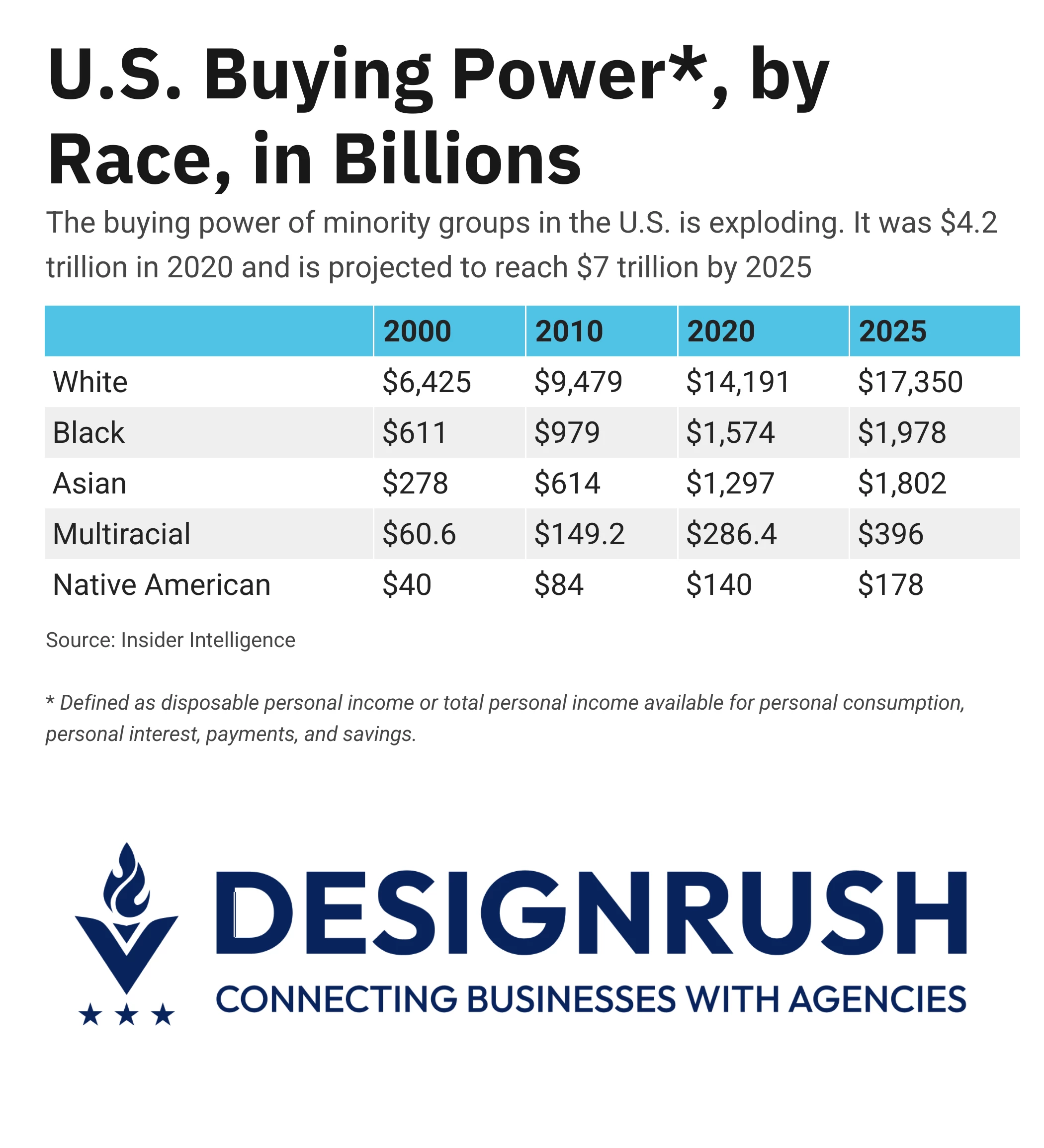
Of course, diversity is more than just morally right. It also pays dividends in market insight and revenue.
Aside from building better connections with audiences, organizations with high ethnic and cultural diversity outperform peers by 36 percent in profitability.
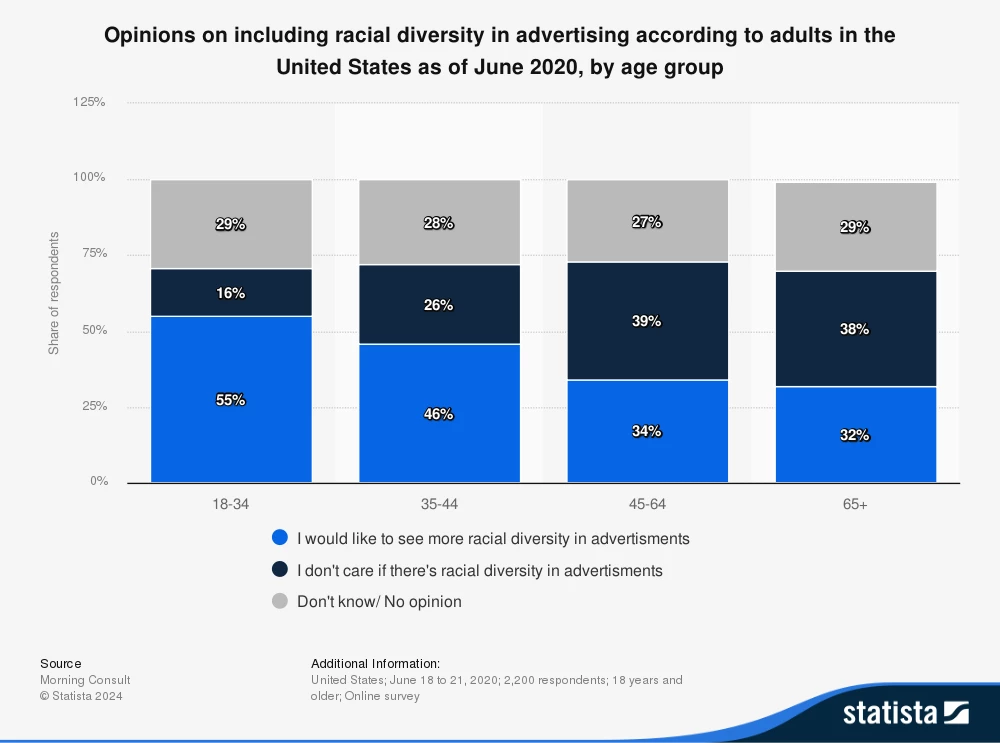
Yet even the best intentions can backfire.
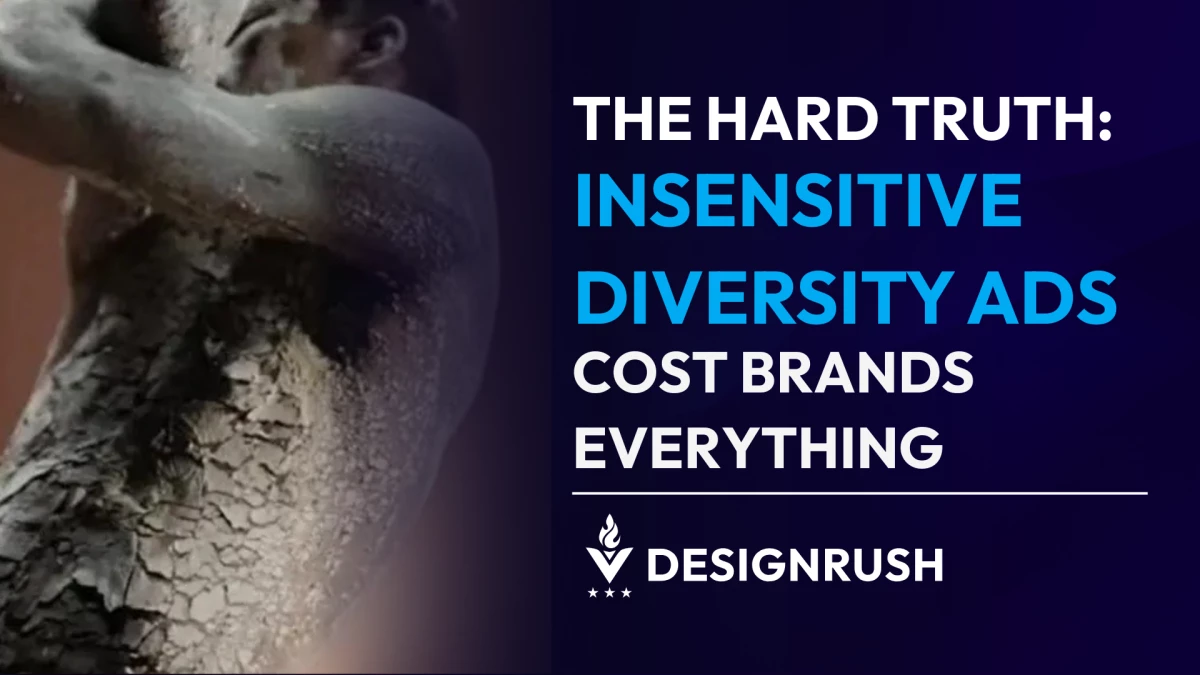
The UK’s Advertising Standards Authority (ASA) recently banned Sanex’s ad due to racial insensitivity despite multiple approvals.
The Sanex ad was banned because showed two models with dark skin, depicting itchy skin and dry skin, which was quickly followed by a white woman with no skin problems.
This hinted at the stereotype of dark skin as dry, cracked, and itchy; which could be interpreted as white skin being superior to dark skin.
Comment
byu/CaseyEffingRyback from discussion
inunitedkingdom
In a statement to BBC News, Sanex reiterated that they had no intention to perpetuate racial stereotypes.
“Our advert was intended to highlight how our Skin Therapy range supports healthy skin across a variety of skin types. At Sanex, our mission is to champion skin health for all, which is portrayed across our brand communications."
The ASA said it understands that the message was not intentional.
However, they did give Sanex and its parent company Colgate-Palmolive a strict warning to "ensure they avoided causing serious offence on the grounds of race" in the future.
Comment
byu/CaseyEffingRyback from discussion
inunitedkingdom
Such failures show that creative approvals alone cannot safeguard a campaign.
The problem lies at the intersection of brand priorities, agency processes, and cultural literacy. Missteps are often systemic rather than accidental.
Sanex’s case is a warning that rigorous internal structures are just as important as good creative instincts.
Unintended Messages Rock 2025
Unfortunately, Sanex isn't alone in misjudging cultural nuance this year. In fact, we’ve seen other major brands make the same faux pas.
Swatch was also in the news recently as one of the models in its most recent campaign pulled the corners of his eyes up and backwards for a “slanted eye” pose.
Swatch pulls ‘slanted eye’ ad after backlash in China. Another insane ad agency. Why do they do this? They rely heavily on the Chinese market. Why would you insult them like this? Story all over the media. The Chinese are incensed. pic.twitter.com/83aCcaHLk4
— MelBel (@MelodyE13350) August 18, 2025
The gesture is often used to racially taunt Asians.
Despite Swatch issuing apologies and retracting the image of the model from the campaign, it has led to massive criticism from China.
China is one of Swatch Group’s biggest markets, and gets roughly 27% of its revenue from China, Hong Kong, and Macau.
Likewise, American Eagle had its own misstep with its “Great Jeans” ad featuring Sydney Sweeney.
The tagline “Sydney Sweeney Has Great Jeans” caused an uproar as many people claimed it raised the issue of genetic traits in a racial context.
While the marketing team intended humor, audiences interpreted it as tone-deaf.
Woman erupts over Sydney Sweeney’s American Eagle ad, calling it 'eugenics propaganda' and comparing Sweeney’s look to Nazi-era imagery.
— Global Index (@TheGlobal_Index) July 29, 2025
pic.twitter.com/eYeT5jhVXA
Because of this controversy, foot traffic fell by 9% YoY at American Eagle this August.
Hindsight is 20:20, but given today’s standards, it can be difficult for most people to understand how such campaigns were able to bypass so many people during the approval stage.
Taking a closer look, all these campaigns shared common threads:
- Homogeneous creative and approval teams that lack diverse perspectives.
- Pressure to hit speed-to-market targets, often at the expense of nuance.
- Limited cultural literacy among those making final calls.
Patterns like these indicate that cultural misfires are not isolated incidents.
They are predictable outcomes when systems do not account for the complexity of audience identities.
And the harsh reality is that brands that ignore this complexity invite backlash and risk losing hard-won consumer trust.
Build Safer Creative Partnerships
If cultural risk is systemic, mitigation must be intentional.
As demonstrated by the aforementioned ads, campaigns that superficially incorporate diversity can misfire as quickly as those that ignore it entirely.
That’s why long-term success requires a cultural ecosystem where accountability, equity, and authentic engagement intersect:
- Accountability: Everyone, from brand leadership to creative agencies, must share responsibility for cultural diligence. Mistakes cannot be siloed or shrugged off as creative errors.
- Equity: Voices of diverse team members must be empowered to influence outcomes. Tokenism is useless; influence is key.
- Engagement: Inclusion is meaningful only when it resonates with the audience. Brands must understand context, history, and sentiment, not just demographics.
To ensure these, brands and agencies can adopt these measures:
1. Embed Structured Cultural Risk Reviews
Rather than informal check-ins, formalized review stages should be mandatory.
Internal teams or third-party consultants can flag sensitive content before it reaches the public.
Proactive review reduces reactive apologies and helps maintain campaign integrity.
2. Build Truly Diverse Creative and Approval Teams
Diversity on paper isn’t enough.
Teams must include individuals empowered to contribute meaningfully, with authority to raise objections.
Varied perspectives help spot missteps that a homogenous team might overlook, from subtle visual cues to messaging tone.
3. Use Iterative Testing with Real Audiences
Focus groups or pilot campaigns with representative segments can surface potential misreads before full rollout.
This iterative testing approach ensures messaging resonates authentically, reducing the likelihood of misinterpretation.
Make Inclusion Non-Negotiable. But Do It Right.
Despite 2025 being the year when brands are rolling back DEI initiatives, inclusivity is still central to sustainable brand growth.
Therefore, it cannot exist as an afterthought or a campaign checkbox — and the fallout from Sanex, Swatch, and American Eagle shows this.
To succeed, brands must pair ambition with structure, insight, and accountability.
Building resilient brand–agency partnerships means institutionalizing cultural awareness, empowering diverse voices, and setting clear guidelines for representation.
For brands aiming to grow responsibly in 2025, the choice is clear: invest in rigorous creative ecosystems that anticipate audience expectations and cultural sensitivities.