
Substack is giving brands new ways to sponsor the content people already pay to read.
The platform introduced three sponsorship formats at Advertising Week New York, namely Upgrade, Unlock, and Masthead.
They arrive alongside independent brand measurement through Kantar for qualifying campaigns.
The formats let brands:
- Fund paid access
- Open premium posts to wider audiences
- Curate themed collections with established publishers
The move gives Substack a bigger pitch for advertisers as creator sponsorships face growing pressure to prove business value.
"With these new formats, we’re exploring ways for brands to fund access to great work, help creators reach new audiences, and become part of an experience readers genuinely appreciate.
The best sponsorships give people something they actually value," Dan Robbins, Substack's head of brand sponsorships, told DesignRush.
The pitch now rests on whether brands can prove this value outside of clicks and impressions.
Substack Gives Brands 3 Ways to Sponsor Content
Substack's new formats put the sponsorship inside the reader experience.
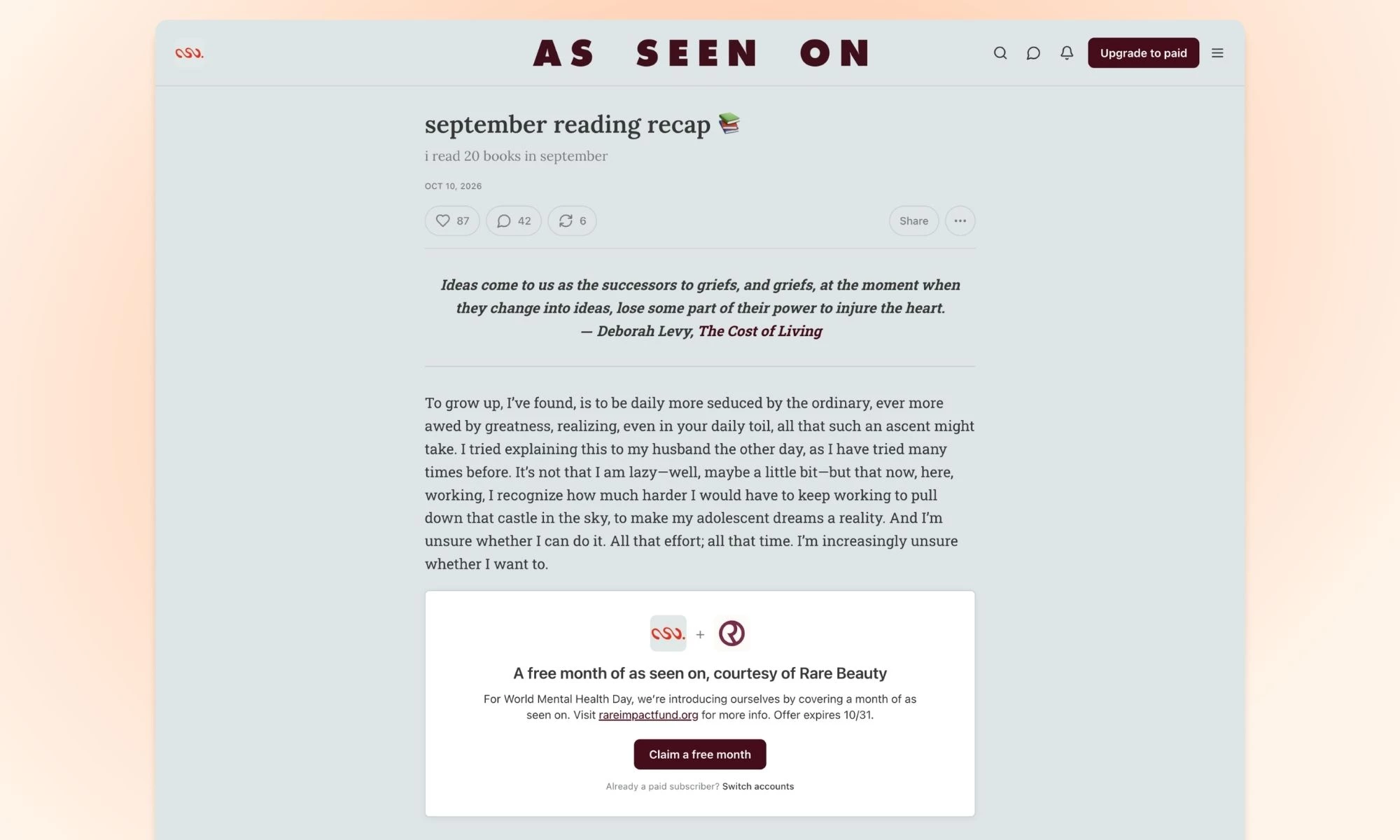
Upgrade gives a publisher's free subscribers one month of paid access at no cost to readers.
Brands fund the access, while the publisher gets a chance to convert new readers into paying subscribers.
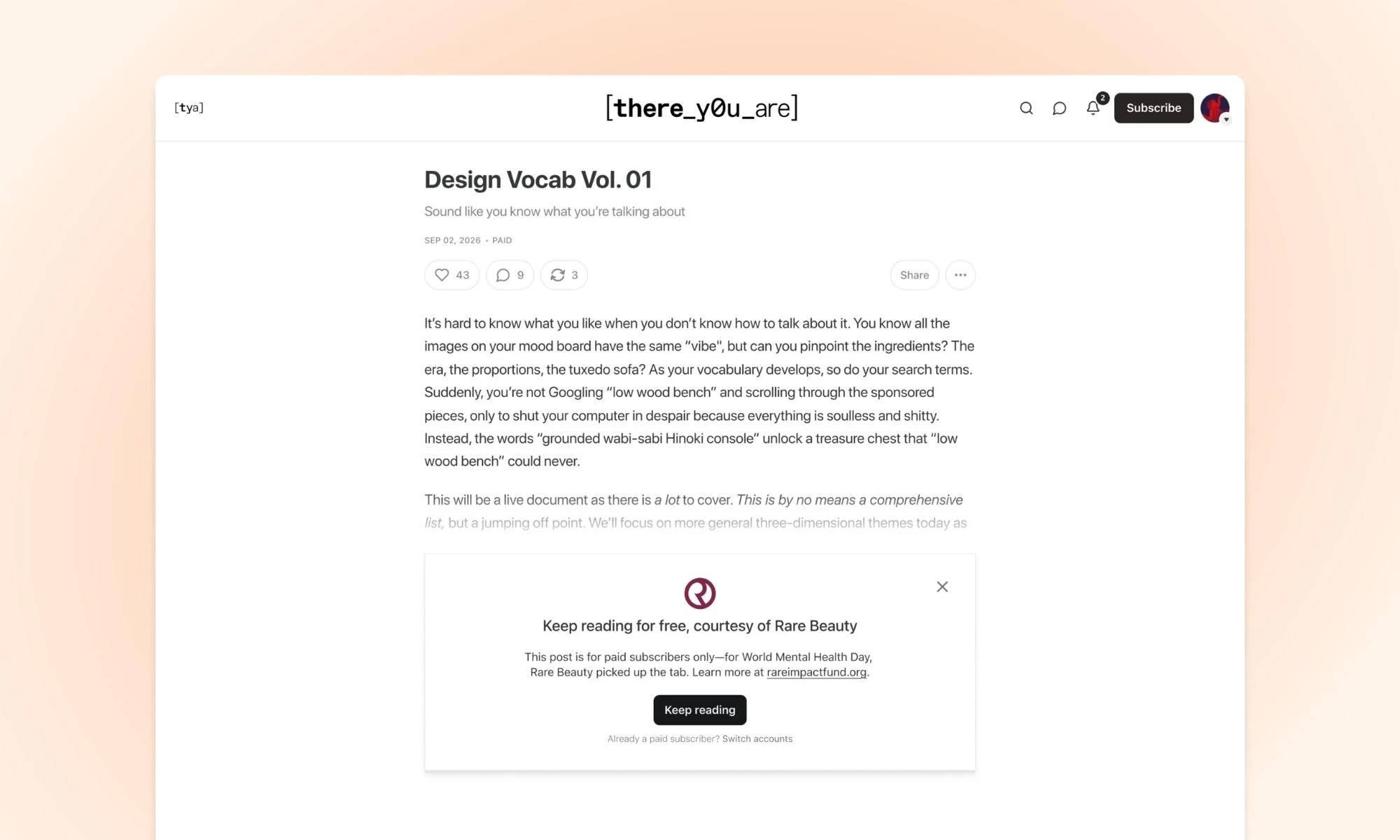
Unlock makes a single paid post available to everyone.
The publisher gets paid for the work, while readers can discover content they may later choose to pay for.
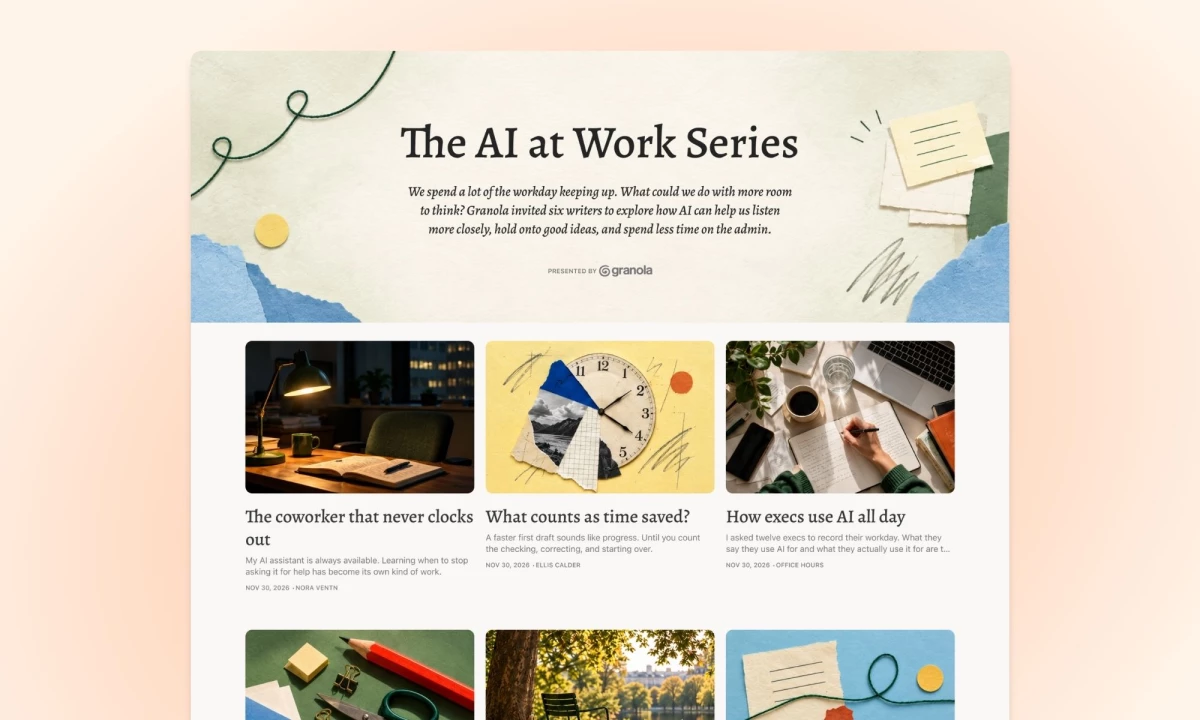
Masthead creates a dedicated destination where a brand and creators present work around a shared theme.
Substack compares the format with a digital zine, such as a retail brand curating content guides.
The company already ran sponsorships with Balenciaga, Uber, and T-Mobile, part of an inaugural cohort of seven flagship partners.
More brands are entering the program as it develops campaigns across categories.
"The subscription model means writers and publishers have already built trusted relationships with communities that choose to support their work.
That gives us a different foundation to rethink what a creator-brand partnership can look and feel like," Robbins shared with us.
The formats make sponsorship part of the content experience, which gives brands a defined role in creator partnerships.
Substack Adds Independent Surveys to Large Campaigns
Substack is also introducing Kantar studies for large-scale campaigns to measure awareness, perception, and consideration.
The surveys are designed to give brands an independent view of sponsorship performance.
The move addresses a familiar weakness in creator marketing.
Impressions and clicks show whether people saw or interacted with content.
Recognition and consideration show up only when someone surveys the audience directly.
Kantar's own sponsorship research illustrates the difference.
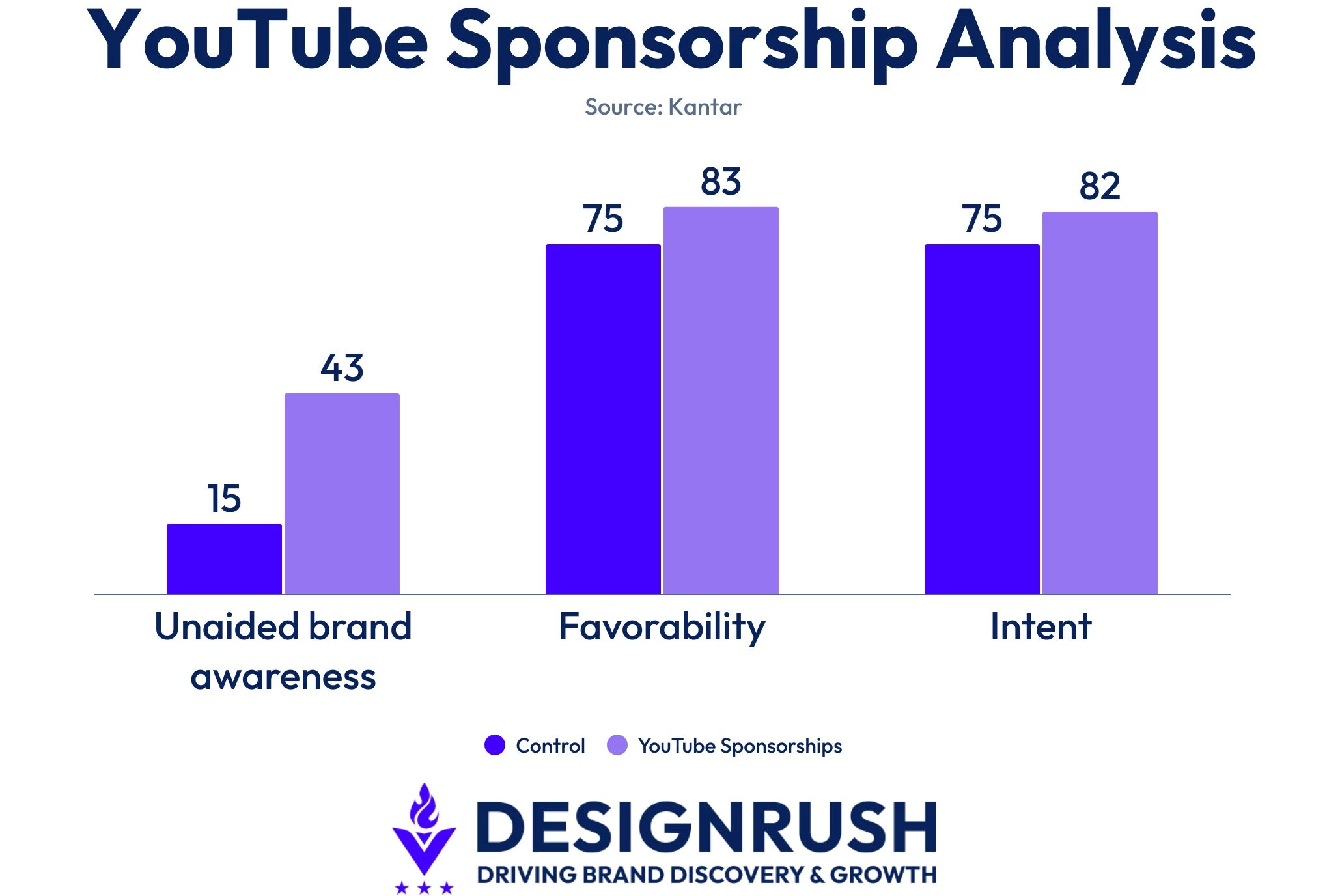
Its analysis of 11 U.S. YouTube sponsorship campaigns found a 27.6% increase in unaided brand awareness.
Favorability and purchase intent also outperformed competitors by more than 2.5 times.
Substack is adding metrics closer to the outcomes that advertisers use to judge their larger media budgets.
Measurement now ships with the buy, which gives influencer marketing teams a cleaner case to make at budget time.
Creator Reach Makes Measurement More Important
Substack has a large enough creator base for sponsorship measurement to become a meaningful business issue.
More than 100,000 publishers make money on Substack through subscriptions, CEO Chris Best wrote in June.
Its top 10 collectively make more than $100 million a year, while tens of millions of subscribers use the platform.
Independent brand-impact data gets more useful as sponsorship spending grows.
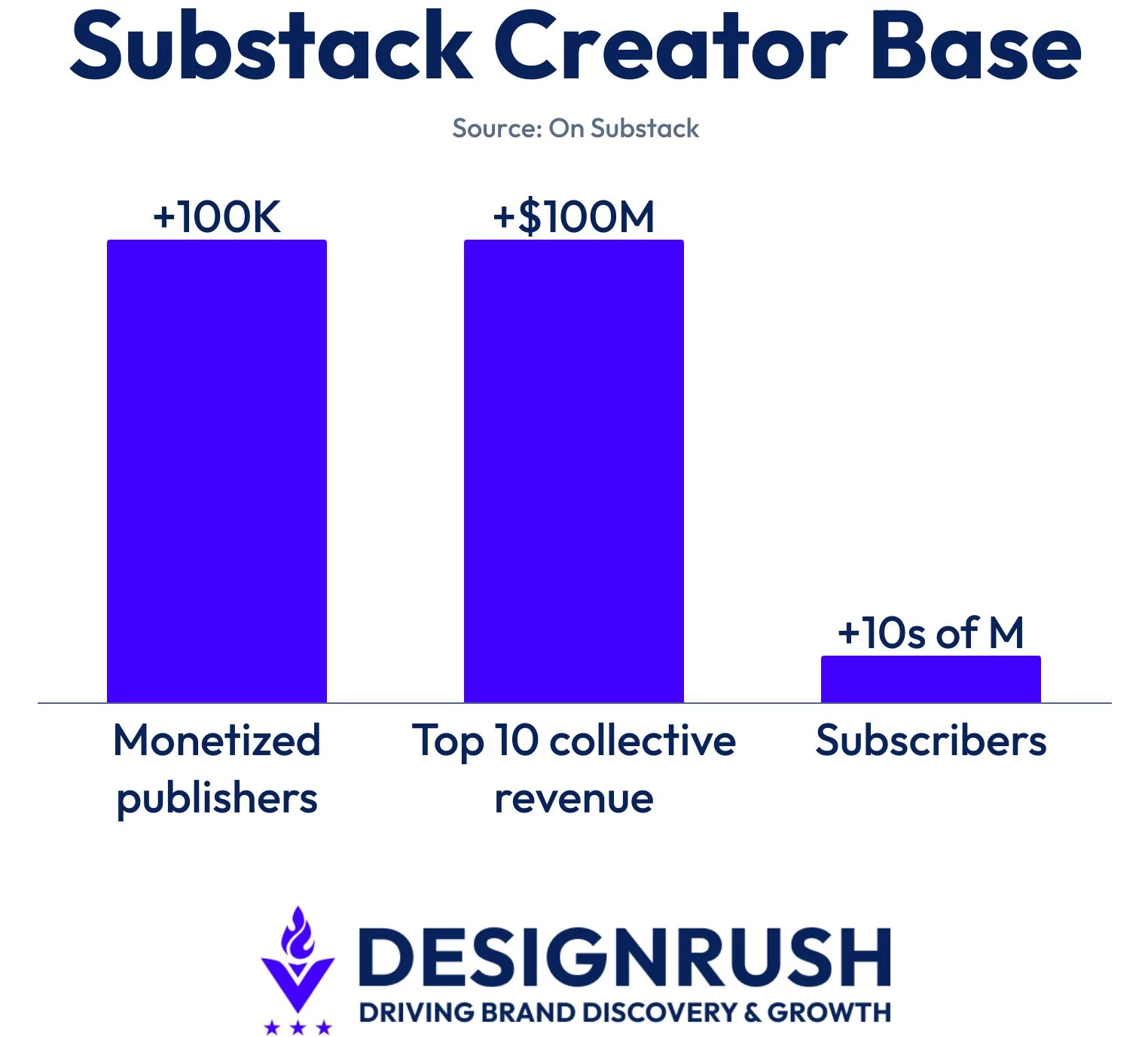
These numbers set the terms for brands entering a market where creators already have paying audiences.
- Audience trust raises the proof standard. Brands should measure awareness and consideration to show whether sponsorship strengthens creator relationships.
- Scale raises the cost of weak measurement. Brands should compare sponsorships against impact benchmarks to identify partnerships that drive demand.
- Creator revenue strengthens the sponsorship case. Brands should connect sponsorship results to business outcomes to justify larger creator budgets.
Brands that set the measurement standard before signing will know which influencer partnerships deserve renewal.
Our Take: Can Brand Measurement Protect Creator Trust?
Survey data will decide which Substack writers get repeat sponsorship money.
We think measurement protects creator trust only while Substack keeps the scorecards out of individual pitches.
Results pull the other way by default, since the writers with the cleanest awareness lifts get the next campaign.
Smaller lists with devoted readers lose out even when their audiences convert better.
Podcast advertising ran this same path, where brand lift studies pushed spend toward the biggest shows and thinned out the mid-tier.
Substack can avoid this by reporting lift at the campaign level so the format carries the pitch.
A niche writer loses on raw awareness numbers every time, so brands should agree on what counts as a win before the campaign runs.
Looking for agencies that can measure creator campaigns against real brand outcomes?
Explore these top influencer marketing agencies directory to find teams built for creator strategy and campaign measurement.