
AI Use in Marketing: Key Findings
- About 78% of companies are already using AI in some part of their business, but many still don’t have a clear plan for how it actually improves their marketing.
- Teams that use AI to take care of time-consuming tasks can move twice as fast, freeing up marketers to focus on what really matters: ideas and strategy.
- Bobo Digital’s mix of AI efficiency and human insight shows that success is about using them with purpose and creativity.
78% of organizations now use AI in at least one business function, according to McKinsey’s State of AI: Global Survey.
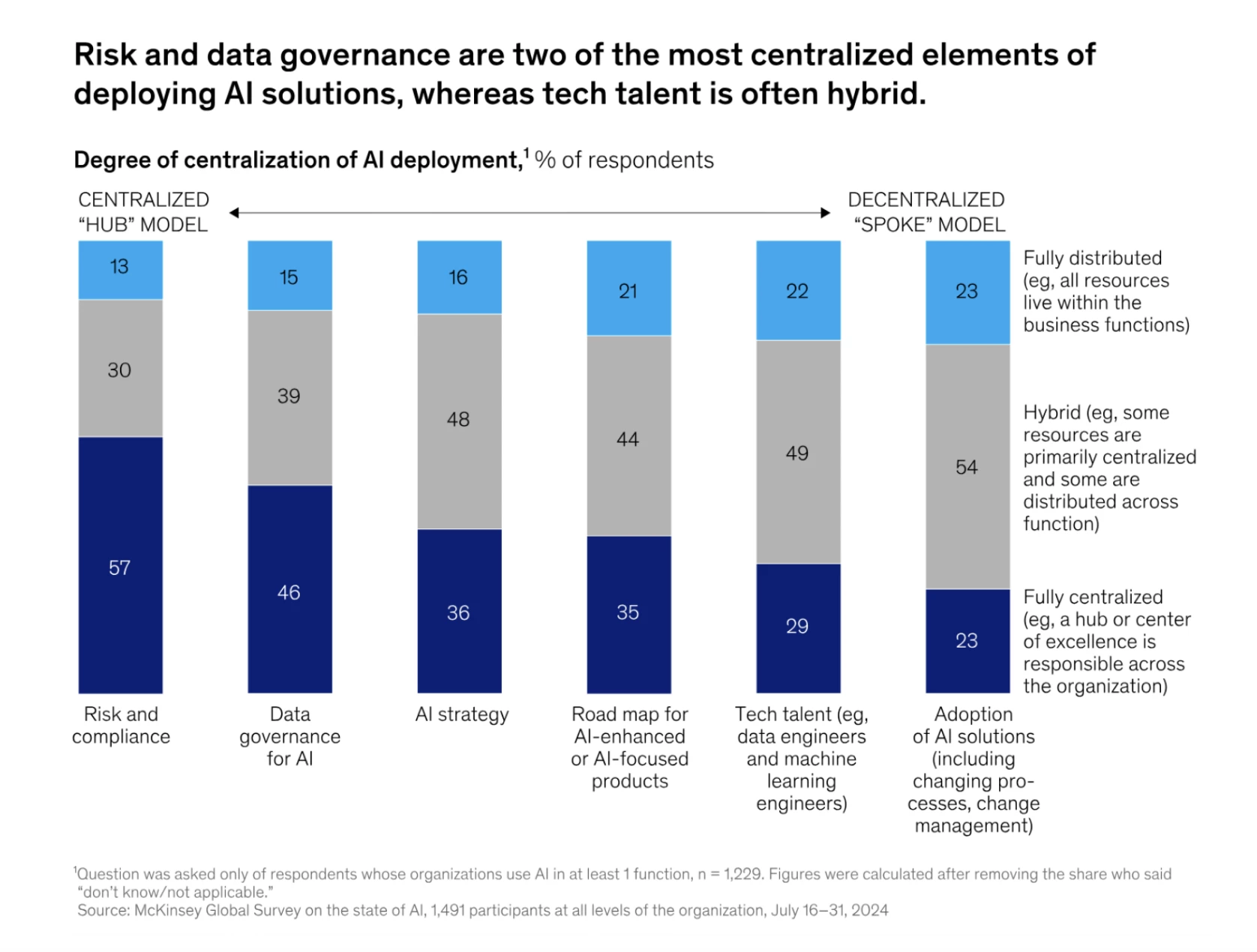
Marketing is leading that charge, but often without a clear plan. While AI makes campaigns faster and more efficient, too many still sound the same.
Editor's Note: This is a sponsored article created in partnership with Bobo Digital.
In this interview with DesignRush, Ben Debono, Founder and Director of Bobo Digital, talks about where AI helps, where it falls short, and why real marketing still depends on human insight.
His message is simple: AI can speed up the work, but it can’t replace the thinking behind it.

Who is Ben Debono?
Ben Debono is the founder and director of Bobo Digital, a performance marketing agency based in Adelaide. He’s an expert in Google Ads and SEO, helping brands turn data into real, measurable growth. With a practical, results-driven mindset, Debono blends AI-powered efficiency with a distinctly human touch, keeping creativity and strategy at the heart of everything he does.
1. Start With the Problem
The biggest issue Debono sees is how marketers use artificial intelligence. Many jump in because it’s trendy, not because they’ve defined what problem they’re solving.
“Is it speed, data analysis, or creative support?” he asks.
Bobo Digital uses AI for things like idea generation and data analysis, but every decision still goes through human review.
The goal is to remove busywork so teams can focus on what actually drives performance.
When AI is used to solve real problems, it stops being just a buzzword and becomes a true productivity booster.
2. Automate the Repetitive, Keep the Strategic Human
AI is great at handling volume and repetition. What it can’t do is understand nuance: why something matters, or who it matters to.
“AI automates repetitive or data-heavy tasks like reporting, keyword grouping, and ad copy testing,” Debono explains. “Humans handle strategy, audience understanding, and creative decision-making.”
That’s where many marketers miss the mark. Let AI take care of the data crunching, but keep the thinking, storytelling, and decision-making in human hands.
It’s how campaigns stay both efficient and emotionally resonant.
3. Tie Every AI Investment Back to Business Goals
Many teams adopt AI because it feels like progress, but without clear goals, it quickly becomes expensive clutter.
“Only integrate AI where it saves time or improves accuracy,” Debono says. “If it’s not improving ROI, cut it.”
AI should always tie back to clear business results, like lower costs, faster output, or smarter targeting.
Otherwise, it’s just another shiny tool without real impact.
4. Ask the Right Questions Before Scaling
Before diving headfirst into AI, Debono advises marketing leaders to pause and ask the tough questions first.
“Start by asking: What problem are we solving? Who will own and maintain the AI tools? How will we measure if AI is improving results, speed, cost, or performance?” he says.
He also advises testing AI in one part of the workflow first before expanding.
This way, teams can see what works, what doesn’t, and build internal playbooks that define where human oversight is still vital.
5. Let AI Create Space for Creativity, Not Replace It
Debono believes the future of marketing isn’t man versus machine. It’s about finding the balance between automation and artistry.
“AI will make data and reporting faster, giving marketers more time to focus on creativity,” he says. “Agencies that combine AI efficiency with human creativity will lead the industry.”
Over time, AI will power more of the behind-the-scenes work, like SEO, analytics, campaign optimization, while humans focus on strategy, storytelling, and emotional connection.
The tools will keep evolving, but the need for human direction will always stay the same.
AI Is a Tool, Not the Strategy
The real edge comes from knowing when to lean on automation and when to rely on human insight.
As Debono says, AI can do the heavy lifting, but strategy and creativity still need a human touch.
The smartest teams use AI to save time. They let technology do the data work so people can focus on what really drives results: ideas, intent, and connection.
Our Take: How Can Brands Use AI Without Losing Their Voice?
AI has made marketing faster and more efficient, but speed doesn’t always mean progress. It’s easy for teams to mistake being busy for being effective.
What makes Bobo Digital stand out is their intention. They’re not jumping on every new AI trend just because it’s there.
Instead, they’re asking the right question: how can automation actually give people more space to think, create, and connect?
That’s exactly the point. Technology should make creativity easier. It’s not a replacement.
AI can handle the heavy lifting, but only people can uncover the meaning behind the data.
And as more brands rush to bring AI into everything they do, the smartest ones will pause to ask themselves one simple question: why are we using it at all?