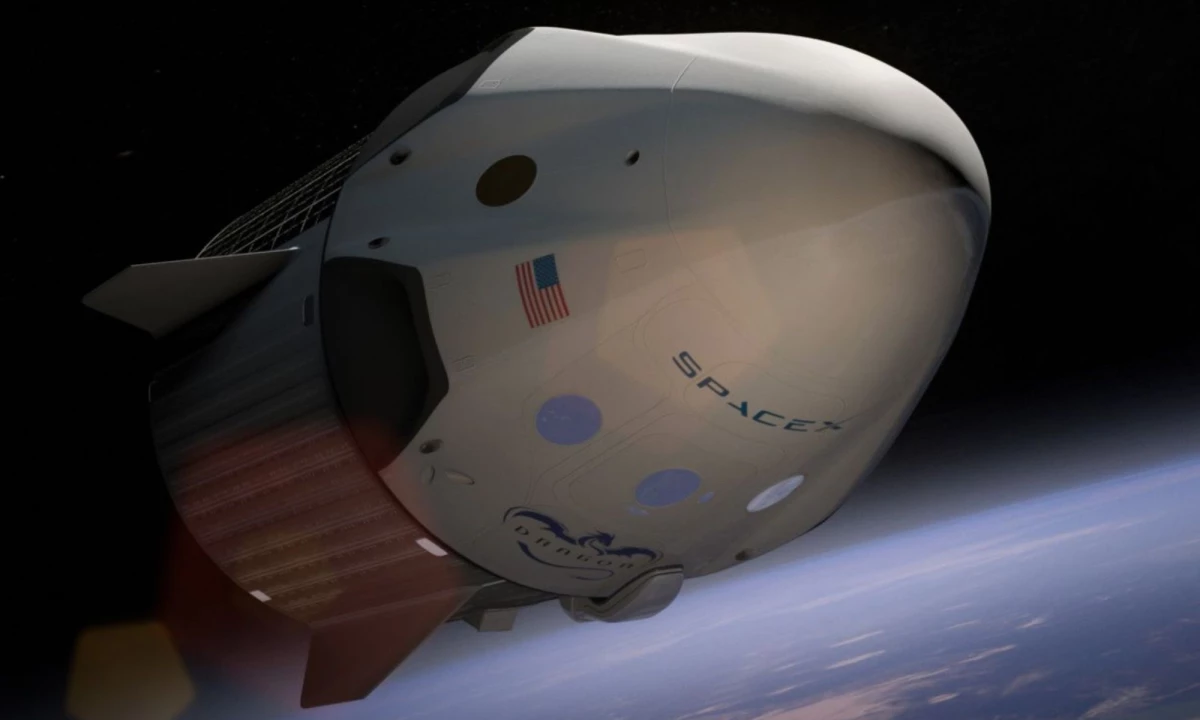

Elon Musk's stint as the world's first trillionaire lasted less than two weeks.
A sharp sell-off in SpaceX and Tesla shares erased more than $150 billion from Musk's fortune.
The drop pulls his net worth below the $1 trillion mark after SpaceX's record-setting public debut on June 12.
The reversal comes as investors reassess some of the market's most expensive tech companies amid concerns about AI spending and the path to profitability.
SpaceX, whose valuation surged past $2 trillion after its IPO, became a focal point for these concerns, and shares retreated more than 30%.
Analysts saw the early surge as a wave of investor excitement over Musk's vision, with the company's actual numbers taking a back seat.
"For a stock like SpaceX, a lot of decision-making might have been emotional and based on the anticipation of huge leaps forward in space exploration and utilisation.
"[B]ut investing should be something treated with clear eyes and patience," AJ Bell Head of Financial Analysis Danni Hewson told Yahoo Finance.
The speed of the decline highlights how quickly public markets can reprice even the most celebrated AI-driven growth stories.
$4.9 Billion in Losses
SpaceX's IPO was one of the most anticipated public offerings in market history.
Investor enthusiasm pushed shares sharply higher in the days following the listing.
This was fueled by the company's ambitions across satellite connectivity, AI infrastructure, space exploration, and data services.
Yesterday @SpaceX celebrated the historic IPO at Nasdaq. While my wonderful children, Elon, @kimbal and @ToscaMusk were having a wonderful time at Starbase, I was at @Nasdaq in New York City. Much happiness around the world. #SPCX
— Maye Musk (@mayemusk) June 13, 2026
It’s always sunny in space 🚀😍 pic.twitter.com/c9ph0l1PNA
The rally also helped propel Musk's fortune above $1 trillion for the first time.
But enthusiasm cooled as broader technology stocks came under pressure.
Concerns surrounding AI infrastructure costs, future interest rate decisions, and the sustainability of high-growth valuations sparked a wider market retreat.
Questions around SpaceX's financial profile added to the scrutiny.
Regulatory filings showed the company recorded a $4.9 billion loss in 2025 while continuing to invest heavily in AI operations and infrastructure.
SpaceX reported a $4.9B net loss in 2025.
— KraneShares (@KraneShares) June 9, 2026
The losses are driven by heavy investment across rockets, satellites, AI infrastructure, and GPU-intensive compute.
SpaceX management describes this as a deliberate, front-loaded investment to build long-term leadership across space,… pic.twitter.com/BKZOcSYpqA
The pullback shows investors weighing execution and profitability more heavily as AI valuations climb.
A strong brand story gets a company in the room, but the financials decide whether it can continue to stay there.
The 80% Concentration Problem
SpaceX's 30% slide shows how fast enthusiasm fades when expectations outrun near-term results.
The bigger risk lies in how exposed Musk is to this swing.
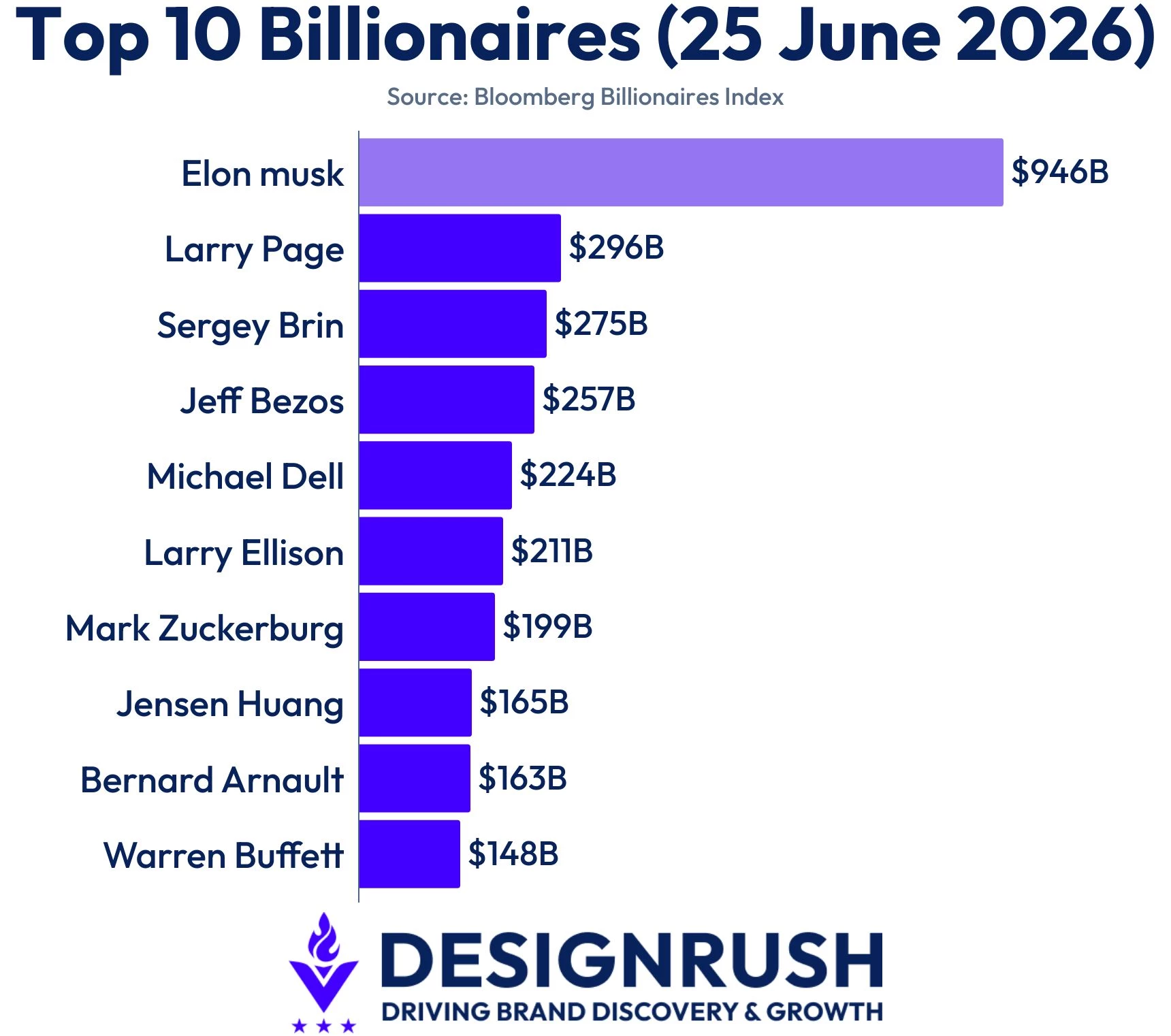
Nearly 80% of his wealth is tied to SpaceX equity, according to the Bloomberg Billionaires Index.
So, a single stock's bad week wipes hundreds of billions off his net worth.
But even after the drop, Musk holds the top spot by a wide margin, worth more than three times the second-richest person.
This story offers several lessons for brands, agencies, and tech companies working through the current AI cycle.
- Narrative creates initial demand. Companies should connect AI investments to measurable business outcomes to maintain investor confidence.
- Visibility attracts scrutiny. Brands should communicate clear milestones and performance indicators to support long-term growth claims.
- Capital-intensive innovation requires patience. Organizations should set realistic expectations to maintain credibility during periods of market volatility.
Remember that when a founder is the brand, the founder is also the risk. Personal branding this powerful means every controversy moves the stock, too.
Our Take: Are Investors Losing Patience With AI Stories?
We think that the more interesting development here is not Musk's return to billionaire status.
It is the speed at which investors turned on one of the market's most celebrated companies the moment its losses and spending came into focus.
A record-breaking listing often marks the moment private money decides the public will pay the most.
Andreessen Horowitz’s SpaceX stake is now worth more than $10 billion after its IPO. David George, who spearheaded that investment, joins @technology to discuss the company’s next phase of growth https://t.co/k8O5DWkAjMpic.twitter.com/lc5HBf4o2M
— Bloomberg TV (@BloombergTV) June 24, 2026
We think AI narratives alone no longer justify premium valuations.
Companies now have to show how their spending becomes revenue, efficiency, or a real edge.
The danger cuts both ways, since markets can overcorrect and starve long-term projects before they mature.
For any company chasing AI investment now, note that proof matters as much as vision.
Looking to strengthen your AI strategy or technology positioning?
Explore these top AI consulting companies that help brands connect innovation with measurable business outcomes.