



Key Takeaways:
- Shopify CEO Tobi Lütke is requiring teams to justify new hires by proving AI can’t do the job, signaling a major operational shift.
- The company aims to stay competitive by embedding AI into decision-making and resource management across the board.
- The CEO's focus on automation aligns with broader tech trends, as companies like Meta are also streamlining teams through AI.
Is AI becoming the driving force behind company operations?
In a recent memo to employees, Shopify CEO Tobi Lütke outlined a new directive: teams must show why AI can’t handle a task before requesting additional manpower.
"Before asking for more headcount and resources, teams must demonstrate why they cannot get what they want done using AI," Lütke said.
This approach is aimed at ensuring that AI technologies are fully leveraged to streamline processes and optimize resources.
Lütke's memo, shared publicly on X, stresses the importance of considering AI as a potential solution in every part of the company.
I heard this internal memo of mine is being leaked right now, so here it is: pic.twitter.com/Qn12DY7TFF
— tobi lutke (@tobi) April 7, 2025
The CEO wrote that asking, "What would this area look like if autonomous AI agents were already part of the team?" could lead to “fun discussions and projects.”
All to help Shopify stay efficient and forward-thinking in a future filled with AI.
"Using AI effectively is now a fundamental expectation of everyone at Shopify. It's a tool of all trades today, and will only grow in importance," Lütke shared.
"Frankly, I don't think it's feasible to opt out of learning the skill of applying AI in your craft; you are welcome to try, but I want to be honest I cannot see this working out today, and definitely not tomorrow.
Stagnation is almost certain, and stagnation is slow-motion failure. If you're not climbing, you're sliding."
The memo raised eyebrows by suggesting that the company will rely on AI to handle tasks traditionally done by humans.
However, it also received praise for Lütke's forward-thinking leadership.
AI’s Game-Changing Role at Shopify and What It Means for Tech
The decision to prioritize adaptive AI strategies comes at a time when the global workforce is increasingly focused on the potential of automation.
Reports from organizations such as the United Nations suggest that AI could displace a significant number of jobs worldwide, with some estimates suggesting up to 40% of roles could be affected.
In fact, the AI market is projected to reach $4.8 trillion by 2033, showing just how rapidly businesses are integrating intelligent tech to cut costs, boost efficiency, and stay competitive.
AI is the first tech able to make decisions & generate ideas.
— UN Trade and Development (@UNCTAD) April 7, 2025
Its market could reach $4.8 trillion by 2033, a 25x increase in 10 years.
But only 1 in 3 developing countries has an AI strategy.@UNCTAD calls for people-first AI and global cooperation. ▶️ https://t.co/dyev3uibOkpic.twitter.com/eBOPIvhDwg
Shopify, which had 8,100 employees as of 2024, is no stranger to workforce reductions.
In 2023, it laid off 20% of its staff and has made other cuts since.
However, Lütke is not alone in seeking efficiency through AI.
Last month, Meta Platforms laid off about 3,600 employees, representing 5% of its global workforce, as part of its efforts to be more AI-forward.
🚨 LAYOFF ALERT - 🇺🇸
— The Layoff Tracker 🚨 (@WhatLayoff) February 7, 2025
META is planning to layoff 3,600 employees of its global workforce starting from Feb. 10, 2025. pic.twitter.com/tDtC54Yq1M
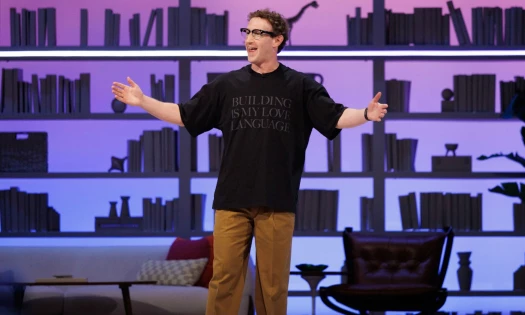
Meta CEO Mark Zuckerberg characterized these layoffs as efforts to "raise the bar on performance management" by moving out low performers faster.
But for Shopify, embracing AI could help maintain a leaner team while continuing to scale operations.
These moves enacted by tech executives have the potential to create waves across industries as more companies explore the use of AI to reduce labor costs and increase efficiency.
eCommerce and tech businesses will need to adapt fast — this current hiring trend could redefine the future.