
Multisensory Branding: Key Findings
- Engaging multiple senses can make brand experiences more memorable.
- Scent is often overlooked but can strongly influence recall.
- Aligning sensory elements with brand goals improves impact.
In 2025, brands that stand out engage audiences on more than one sensory level.
Multisensory experiences light up more areas of the brain, making them more memorable and emotionally impactful, according to research published on the MDPI.
One study even found that when people had a positive emotional reaction during a sustainably designed, multisensory event, they were far more likely to recommend the brand afterwards.
Yet, despite half of the human brain being dedicated to processing sensory input, many brands still treat sensory design as a creative “nice-to-have” rather than a strategic necessity.
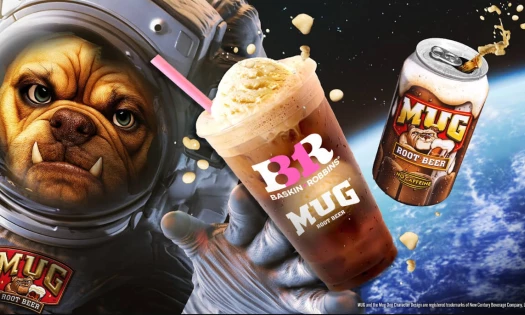
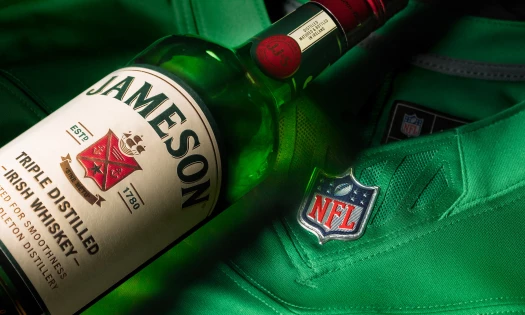
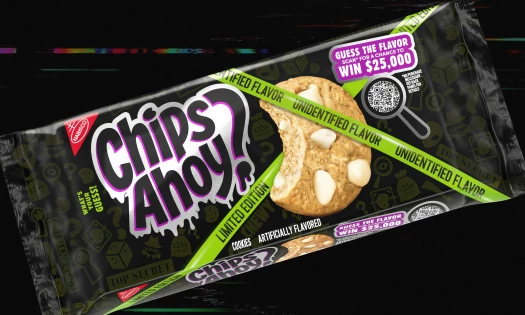
Watch how brands are using sensory cues to transform experiences:
To unpack how brands can turn sensory details into measurable business results, we spoke with Maggie Heaps Lauffer, creative strategist at ITA Group.
Known for her data-driven approach to experience design, she shares:
- Why sensory design is more than just a creative flourish
- How aligning sensory elements with business goals can turn a fleeting moment into a memory that sticks
Quick listen: How sensory design drives ROI in brand activations — in under 2 minutes.
It’s no surprise these principles shape every decision her team makes, from the first creative concept to the final attendee experience.
But what is surprising is how impactful sensory choices can be in driving purposeful engagement with audiences.

Who is Maggie Heaps Lauffer?
Maggie Heaps Lauffer is a Creative Strategist at heart with a strong background in writing and interior design. She prioritizes teams' collaborative experience as well as the attendee experience and prides herself on getting weird with it. Maggie tirelessly elevates the ordinary to deepen brand loyalty and belonging.
1. Start With How You Want People to Feel
Sensory design starts with a simple but powerful question: how should this experience make people feel?
“Immersive experiences aren’t about checking sensory boxes,” she explains. “They’re about creating emotional connections.”
They lead with this question because feelings are what stick.
People might forget the exact lighting or the playlist you used, but they’ll remember the excitement, the comfort, or the curiosity they felt in that moment.
That emotion shapes how they think about the brand long after the event ends. It’s what makes them tell a friend, come back for more, or decide to buy.
By deciding on the emotional outcome first, every detail works together to create that feeling.
It keeps the experience cohesive and intentional instead of a jumble of sensory “extras” that look good on paper but don’t connect in real life.
2. Use Senses Strategically
It’s tempting to try to engage all five senses at once, but Lauffer says that’s not the smartest move.
Instead, they recommend starting with one or two non-visual senses and building from there.
Maybe it’s a curated soundscape that changes the mood of a room, or a familiar food served in a surprising way. Whatever the choice, it needs to be intentional.
The reason is simple: when you focus on fewer senses, you can go deeper and make those experiences more meaningful.
Trying to do too much at once can overwhelm people or feel gimmicky.
Instead, make every sensory choice support the story the brand wants to tell, so nothing feels random or out of place.
3. Align Sensory Design With Brand Voice and Business Outcomes
A sensory-rich experience might be fun, but if it doesn’t reflect the brand or drive real results, it’s a missed opportunity.
That’s why designers, strategists, and storytellers work together from the start.
“We don’t just create experiences that look and feel good,” Lauffer says. “We create experiences that are purposeful and strategic.”
This matters because every detail sends a signal about the brand. If those signals don’t align with the company’s values or goals, the message gets lost.
4. Don’t Overlook the Power of Scent
When it comes to live experiences, smell is one of the most underused senses and also one of the most powerful.
“Scent can transport someone instantly and evoke strong emotions,” Lauffer explains.
But because it’s so personal, they use it sparingly and in curated moments, like VIP activations or packaging reveals.
The reason scent works so well is that it’s tied directly to memory.
A single whiff can trigger emotions and associations that last for years. Used well, it can become a signature element of a brand experience.
But it’s a tool that needs precision. Too much or the wrong kind of scent can distract or even push people away.
Case Study: Transforming the RSA Conference Lounge Experience
At the 2025 RSA Conference, ITA Group brought all these ideas to life in a client lounge that changed throughout the day, keeping people engaged no matter when they walked in.
In the morning, the space felt calm and inviting. Guests could sip specialty coffee while listening to curated vinyl tracks that gave the room a nostalgic, easygoing vibe.
A retro AI photo station added a fun, visual twist, and the Muir Woods Zen Lounge wrapped everything together with forest-inspired scents, massage chairs, and branded slippers. It was a multisensory reset in the middle of a busy conference.
By afternoon, the atmosphere shifted. The lounge became the “Startup Nest,” a lively space built for networking and conversation.
Then, as evening events began, it transformed again into the “Adversary Underground.” Bold lighting and high-energy sound design reinforced the client’s strong cybersecurity stance and created a sense of excitement.
Each change in mood was a deliberate way to guide how people felt at different points in the day.
This intentional layering of sensory elements turned the lounge into an evolving experience people wanted to be part of.
One industry review even called it “a happening multi-purpose branded space that amplified connections and offered exclusive value.”
The Future Belongs to Brands That Create Emotional Memory
Brands that use sensory design with purpose and authenticity are building an emotional connection that people carry with them long after the event ends.
This connection is what makes someone choose your brand over another, recommend it to a friend, or come back for more.
ITA Group’s work shows that getting this right is all about knowing the feeling you want to create, choosing your moments carefully, and making sure every detail aligns with your story and your goals.
When those pieces come together, you’re making a lasting impression.
And that’s what turns an event into something people remember, talk about, and act on.
Sensory Branding FAQs
What is sensory design in branding?
Sensory design involves using multiple senses to create more engaging and memorable brand experiences.
Why does engaging multiple senses make a difference?
Research shows that multisensory experiences activate more areas of the brain, which can increase memorability and strengthen emotional connections with a brand.
Is scent really effective in brand experiences?
Yes. Scent is strongly linked to memory and emotion. When used thoughtfully, it can enhance brand recall and create a deeper connection, though it needs to be applied with care.
How can brands ensure sensory elements align with their identity?
By starting with a clear understanding of their desired emotional impact and business goals, and ensuring every sensory choice supports those objectives.