
Data Security Risks When Traveling: Key Findings
- Leaders often carry sensitive data and connect from insecure networks, making them high-value targets for hackers.
- A compromised device can act as a Trojan horse, threatening the entire corporate network once reconnected.
- Mandatory VPN use, role-based access, hardened configurations, and real-time monitoring protect without disrupting productivity.
Somewhere between the airport lounge and the hotel check-in, many senior leaders do something that seems normal and innocent: they log onto the complimentary WiFi using their work laptop or mobile device.
Little do they know, their CISO would break into a cold sweat if aware of it.
Of course, it’s not like these executives are being intentionally reckless.
Connecting to free WiFi is such a common, everyday thing. Plus, executives have been briefed on the basics of cybersecurity.
But the reality is that executive mobility has quietly become one of the biggest security blind spots in corporate strategy.
56% of public Wi-Fi networks tested had security flaws that could allow hackers to see users’ online activity and steal personal information.
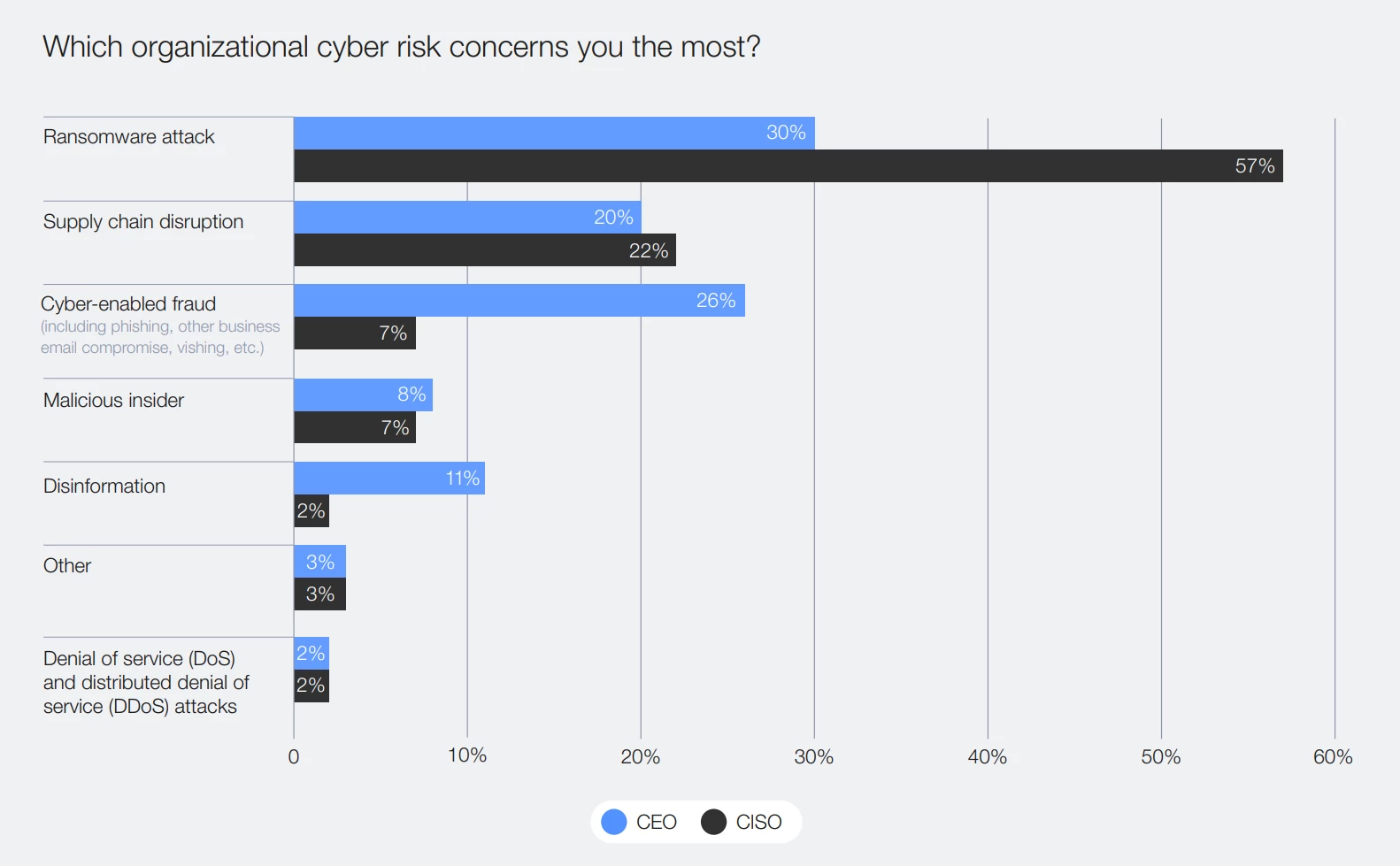
This is a huge problem, especially since executives often have near-unrestricted access to sensitive data, like customer contracts, proprietary R&D, or M&A paperwork.
Yet they move through the world that exposes them to situations IT teams can’t fully control.
That combination is like catnip for hackers since the potential rewards of a successful penetration far outpace the risk of getting caught.
The Real Cost of a Breach on the Road
When a breach involves an executive away from HQ, the impact can ripple far beyond IT.
A compromised corporate laptop usually isn’t just a data leak problem. It can act as a Trojan horse that invites the hacker into your entire system once it reconnects with the system back at HQ.
The worst part is that such a breach will often go undetected for weeks.
For publicly traded companies, the damage can be immeasurable. Investor confidence can plummet, legal exposure can widen, and customer churn can spike.
On the other hand, the pain is often more existential for private firms.
They could lose a key deal or drive a potential client into the arms of a competitor because they can’t longer be trusted to protect sensitive information.
Here’s the uncomfortable truth: attackers know this.
That’s why they target executives in airports, hotels, restaurants, hotels, or anywhere with free public WiFi.
And that can easily be seen in the growing number of significant data breaches so far in 2025.
Core Strategies to Protect Executives on the Go
You can tell an executive to 'use a VPN' until your voice goes hoarse.
The reality, however?
Security measures that are too burdensome get bypassed, and executives are often the first to demand exceptions.
The irony is that those exceptions create precisely the vulnerabilities attackers look for.
A truly effective security program for traveling leaders has to do three things at once:
- Protect at the technical level (encrypt, restrict, and monitor).
- Anticipate behavioral workarounds (make security usable and seamless).
- Reinforce cultural norms (security is not optional, no matter your title).
That’s why securing traveling executives is less about reinventing cybersecurity and more about enforcing discipline in following policies and using the right tools.
That said, here are some non-negotiables:
1. Make VPN Use Mandatory on All External Networks
Every device an executive brings, from their laptop to their phone, must route all traffic through a robust corporate, always-on VPN like Astrill VPN, especially when using these devices outside of corporate premises. To ensure this, try configuring all devices to launch the VPN at startup.
As an added layer of protection, consider configuring firewalls to block all network activity outside the encrypted tunnel, ensuring no accidental leaks occur.
2. Harden VPN Configurations Before Travel
A VPN is only as strong as its setup.
Before executives depart, IT teams should ensure that VPN clients are updated to the latest stable build, closing off any vulnerabilities discovered since the last trip.
Likewise, encryption standards should be audited to confirm the use of robust protocols such as AES-256 combined with IKEv2 or OpenVPN.
3. Limit VPN Access by Role and Trip Scope
One of the biggest mistakes in executive travel security is assuming VPN access means open access.
Instead, privileges should be limited to only the systems and data relevant to the trip’s purpose.
Conditional access policies can ensure that even if an executive’s credentials are compromised, the attacker can’t roam freely through the corporate network.
4. Monitor VPN Sessions in Real Time
Integrating VPN activity with AI-assisted monitoring tools can help detect suspicious patterns that humans might overlook, such as unusual connection times or rapid switching between regions.
Geofencing alerts can also be set to flag or block connections from high-risk countries altogether.
Treat Every Business Trip Like a Potential Breach
With corporate travel quickly returning to pre-pandemic levels, and cyberattacks becoming more sophisticated, protecting executives on the go is a direct investment in your company’s resilience, reputation, and bottom line.
Although there may be a temptation to see these security measures as IT’s problem, the truth is that cybersecurity on the road is a leadership obligation.
And while you can’t exactly bubble-wrap your organization’s leaders, you can send them out armed with the tools, discipline, and mindset needed to stay secure as they travel.
Because in the end, the cost of prevention is always less than the cost of being a part of the next data breach headline.