
Football rarely hands marketers a story this complete.
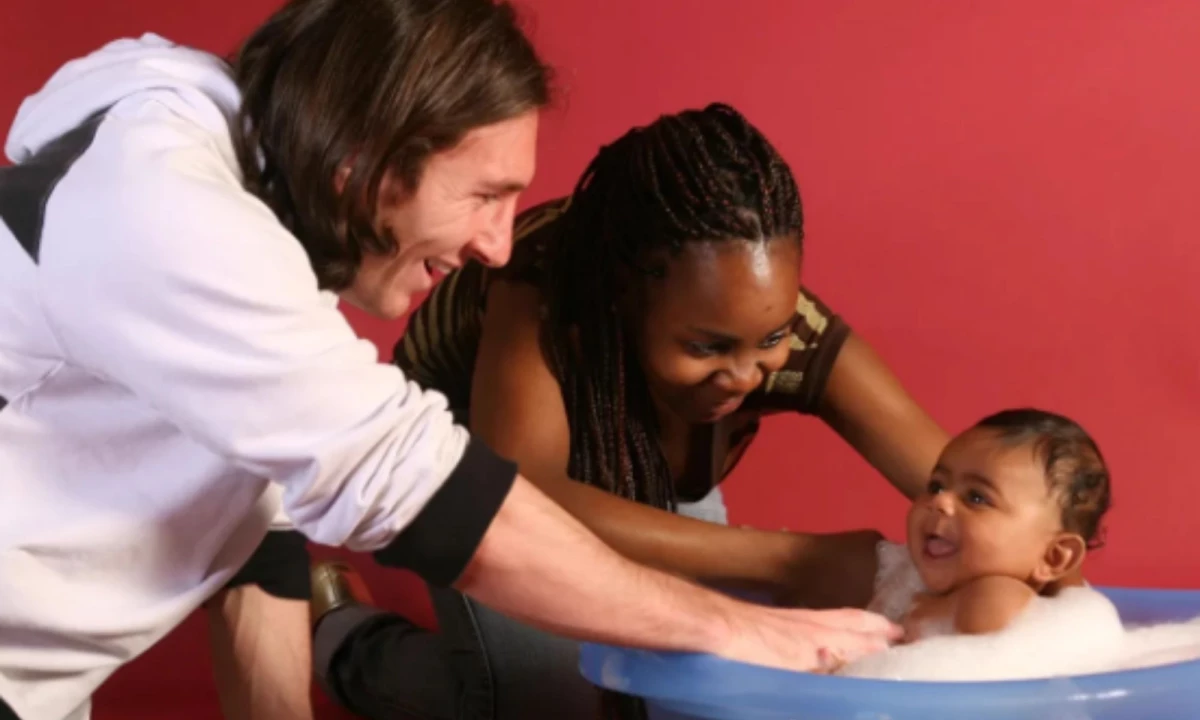
A 2007 UNICEF photo of a young Lionel Messi bathing baby Lamine Yamal resurfaced.
The image went viral as the two stars prepared to face each other in the FIFA World Cup final held on July 19.
"That photo is incredible... the fact that we're both playing in the World Cup now is crazy," Messi said after the image resurfaced.
The photo spread fast across social media, and global brands quickly reworked it to fit their own products, audiences, and voices.
The wave of creative responses proved that cultural relevance often comes from reacting to stories already on people's minds.
1. Huggies Finds the Emotional Angle
Huggies keeps its response simple with the caption, "One day you bathe them, the next day..."
The post needs little explanation because the reference already carries decades of emotional context for parents.
The image reinforced what Huggies has always sold, which is the daily act of watching a child grow into something bigger.
2. KFC South Africa Serves Up Rivalry
KFC South Africa used the viral image to poke fun at McDonald's, playing on football rivalry and competitive brand humor.
The post stays true to KFC's established social personality while borrowing attention from one of the tournament's biggest talking points.
Rivalry marketing pays off when the joke matches a brand's existing voice, so audiences read it as an authentic extension.
3. Domino's UK Celebrates the Final Score
Domino's UK updated its logo to reflect Spain's 1-0 World Cup victory over Argentina.
The execution connected the brand identity directly to the tournament outcome without relying on lengthy copy.
Small visual edits like this often travel farther on social media, where a quick idea can outperform a big production when timing matters most.
4. Coca-Cola Singapore Builds Anticipation
Ahead of the World Cup final, the soda brand replaced baby Yamal and Messi with two cans in the respective countries' FIFA packaging design.
Its caption read,
"Destiny calling. The kid who was bathed by the GOAT is now standing in his way of the ultimate prize. Who are you backing to take the trophy?"
Question-based posts drive social engagement because a tribal fanbase will always argue its pick.
Every reply then pushes the post further into more feeds.
5. DAZN Portugal Completes the Story
DAZN Portugal recreated the original scene, placing the now 19-year-old Yamal back in the bathtub alongside Messi.
This time, the FIFA World Cup trophy and official match ball join the photo. The visual closed a story that took nearly two decades to unfold.
Nostalgia marketing becomes more effective when a brand can complete a real narrative that audiences followed for years.
The Odds Behind a Viral Photo
The Messi-Yamal image spread because it captured a coincidence no one could have predicted.
The baby in Messi's arms grew into the player standing across from him in the 2026 FIFA World Cup final.
The photo sparked online conversations, waves of humor, and even claims that it was AI-generated.
According to FIFA, the image sat largely forgotten until Yamal's father posted it online in 2024 ahead of UEFA EURO 2024.
The post gained global attention within days.
Interest surged again once Spain and Argentina booked their places in this year's World Cup final.
The photo handed audiences a rare before-and-after story that ran across 19 years.
FIFA photographer Joan Monfort called the coincidence "unexplainable and magical," comparing the reunion to history writing itself.
Stories powered by long odds tend to outperform planned content.
- Authenticity travels further than invention. Brands should identify genuine cultural stories with built-in emotional value to earn engagement.
- Long-term narratives create stronger brand recall. Teams should connect past and present events to reveal a larger story for audiences.
- Timing determines cultural impact. Marketers should monitor when dormant stories gain new relevance when public attention is naturally accelerating.
Reactive marketing wins when the source feels too improbable to fake, since audiences share those discoveries on instinct.
Our Take: What Happens When Reality Looks AI-Generated?
The rush to label the Messi-Yamal photo AI-generated shows how fast our instincts have flipped.
We've been fooled one too many times.
A forgotten 2007 charity shoot for UNICEF, a nearly 20-year age gap, and a World Cup final reunion sounded too clean to be real.
And we think that this skepticism is now the default setting.
Genuine stories carry a burden of proof they didn't have five years ago, especially the near-perfect ones.
This fact pushes up the value of documented history, original photography, and credible sourcing.
We expect brands to start manufacturing that "Is this real?" doubt on purpose, since the authenticity debate now pulls more reach.
The same instinct drove the brand memes after a viral Empire State Building proposal, another real image that many people wrote off as staged.
The best reactive campaigns depend on knowing which stories deserve a response.
Explore these top social media marketing agencies that help brands identify opportunities that fit their voice before competitors crowd the conversation.