
Ralph Lauren's Polo Acquisition: Key Findings
- Ralph Lauren has acquired Polo South Africa, ending 50 years of mirror-image logos that confused consumers.
- The deal includes job protections but risks alienating South African locals who are loyal to their homegrown brand.
- Unlike product rebrands, this replaces a beloved local identity with a global standard.
Ralph Lauren just bought its way out of one of fashion's most confusing trademark battles.
The fashion giant recently acquired Polo South Africa from LA Group.
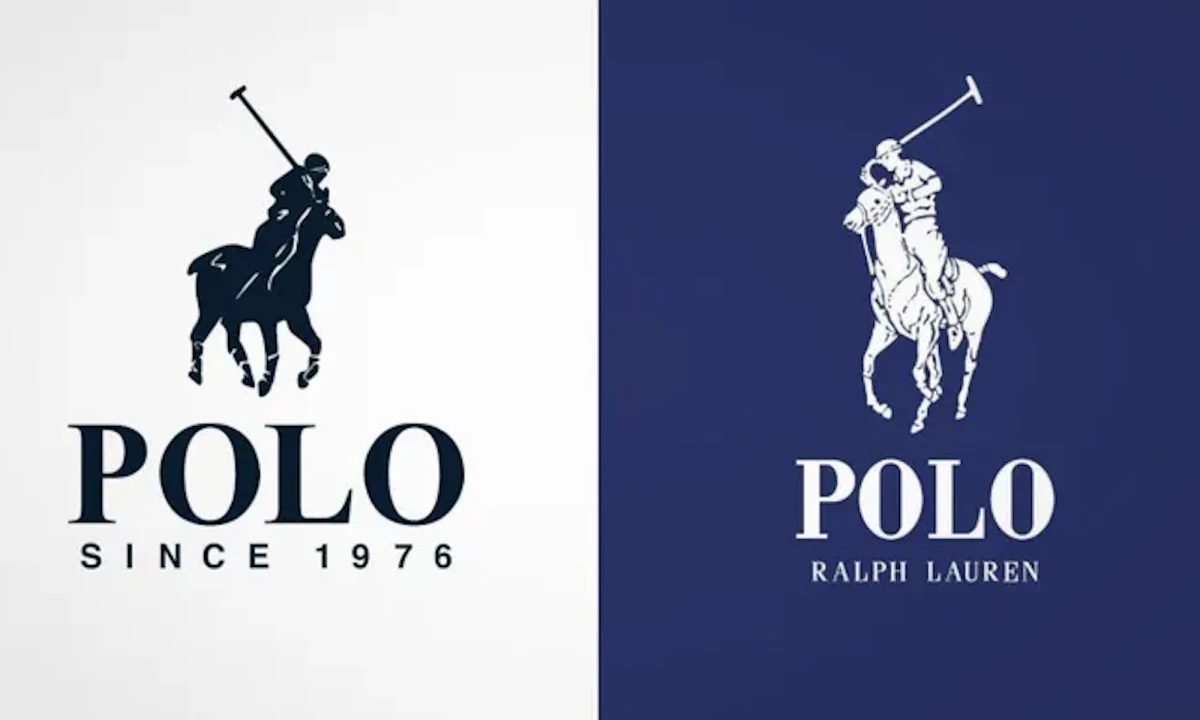
This ended a 50-year saga where shoppers had to check which direction the polo player faced to know which brand they were buying.
Ralph Lauren's global logo shows the rider facing right, while the South African version faces left.
The deal will finally give Ralph Lauren global brand consistency.
But it will also test whether unifying an identity is worth potentially losing the trust of consumers loyal to what they believed was a local brand.
For South African shoppers who built affinity around their homegrown brand, the emotional connection may not automatically transfer when ownership changes hands.
A Logo Facing Two Directions
Ralph Lauren registered its Polo trademark internationally in 1967, but LA Group secured South African clothing rights in 1976.
Both brands operated under a co-existence agreement that eventually broke down, leading to years of legal battles.
In 2022, South Africa's Supreme Court of Appeal sided with LA Group, confirming the local brand's legal standing.
This effectively blocked Ralph Lauren from entering the apparel market in the country.
An acquisition became the only path forward.
The Competition Commission approved the deal, but required LA Group to protect all permanent employees in manufacturing, distribution, and retail.
This safeguards jobs, but it doesn't address the bigger question of brand perception.
Ralph Lauren can now align its visual identity globally and sell its full product range without trademark conflicts.
For South African shoppers, though, this change could feel like a loss.
The local Polo wasn't just a logo variant, but a brand they believed was theirs.
When this identity changes to match the global standard, the emotional equity built over decades may not transfer with it.
Logo Alignment and Its Risks
Ralph Lauren's move mirrors the trend of legacy brands modernizing their visual identity.
Lay's recently completed its biggest rebrand in 100 years, unifying its logo and packaging to communicate a single product truth across global markets.
This strategy was effective because the changes reinforced what its consumers already valued.
However, while Lay's was adding clarity to a single brand, Ralph Lauren faces a different challenge.
It is now attempting to replace one brand identity with another in a market where both have operated for decades.
Research shows that brand consistency drives recognition, but only when consumers understand that the change supports their existing relationship with the product.
History Factory's 2024 Brand Heritage Gap Report found that 83% of customers trust companies that have been in business for a long time.
And disruptions to this familiarity can erode trust even when product quality stays the same.
The apparel market adds another layer of complexity.
European luxury fashion sales grew 8% in 2024, but growth came from brands that balanced global reach with regional relevance.
Ralph Lauren will surely gain more control through this acquisition.
But it will only convert to growth if the transition respects what South African consumers valued about their local Polo.
If the message doesn't land, the unified logo could cost more than the trademark battle ever did.
Ralph Lauren's acquisition offers key lessons for any brand managing global consistency against local loyalty.
- Global brand alignment strengthens operational efficiency, but only delivers value when consumers see the change as real progress.
- Local brand equity doesn't automatically transfer to a global parent, so transitions require messaging that respects heritage while introducing the unified identity.
- Job protection and operational continuity address regulatory concerns but don't solve consumer trust, which requires its own strategic approach.
EXPLAINED - THE POLO LOGO WAR IS OVER
— Business Explainer (@businessXplain) November 23, 2025
After 48 years of courtroom battles and trademark tricks, South Africa’s home-grown Polo brand is finally being sold to Ralph Lauren.
The Competition Commission has approved the takeover by the American luxury giant, ending a bizarre saga… pic.twitter.com/g2Fi4ZTHWg
These lessons apply whether you're acquiring a competitor, consolidating visual identity, or expanding into new markets.
The mechanics of ownership are straightforward, but the emotional transition takes more work than most brands plan for.
Our Take: Does Unity Risk Trust?
I think Ralph Lauren's success depends on how it frames this transition.
If the company treats this as a takeover, South African consumers are likely to view it as one.
The risk is real because the shift here is symbolic.
For decades, shoppers believed they were supporting something homegrown, and replacing this with an American luxury brand could feel like an unwanted correction.
The smart move is transparency paired with product continuity.
Acknowledge the history, explain the change, and prove through merchandise and pricing that the brand South Africans love isn't disappearing.
In other news, Pepsi just launched its Prebiotic Cola through a Black Friday online drop, showing how legacy brands can modernize their products while keeping what made them iconic.
Brand transitions demand careful execution.
These top branding agencies build identities that honor heritage while supporting strategic evolution across markets.