
When customers come across inconsistent branding — like outdated product info, conflicting naming and prices, or missing promotions — they lose trust and often abandon their search, feeling like they are in the wrong place.
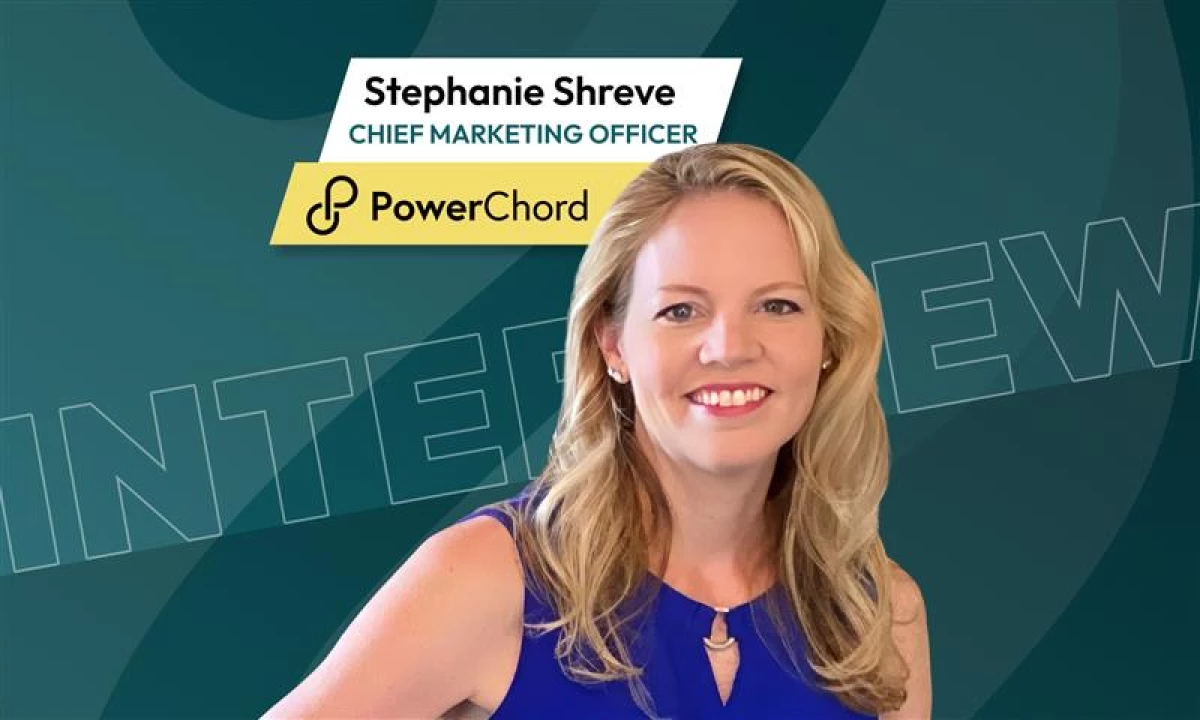
So says Stephanie Shreve, the chief marketing officer of Powerchord, a MarTech agency that specializes in helping brands and their dealer networks optimize local digital efforts.
In this interview, Stephanie explains why brand consistency across dealer networks is crucial for consumer trust. She also discusses how brand executives can maintain consistent branding to achieve success.

Who Is Stephanie Shreve?
With over 20 years of experience leading high-performing teams to support global brands and strategic partners, Stephanie strives to build strong relationships with customers to create solutions that drive business results and embrace opportunities presented by emerging technologies to reach new markets. Some of her prominent clients include Kohler, Stihl, and Kubota. She holds a Master’s Degree in communication from the University of Missouri in St. Louis and a bachelor's degree in mass communication from Southeast Missouri State University.
According to Stephanie, when customers interact with a brand, they have certain expectations. If you can deliver a positive customer experience, it will significantly influence their purchasing decisions.
“Very importantly, they want to feel confident that they are receiving current and accurate information.
This disconnect could result in a loss of sales or a longer-term decrease in brand confidence. Brands spend significant portions of their marketing budgets building a strong brand, and their messaging and personality should run throughout the entire customer purchase journey,” she says.
Navigating Brand Messaging in Dealer Networks
This process can become particularly complicated for brands that sell through dealer networks. Brand messaging, product details, and promotions should maintain consistency across different channels.
“Dealers are busy, and often are experts in their field, but not necessarily in marketing. Smaller dealerships likely do not have dedicated marketing staff, so those tasks fall on personnel with other responsibilities.
To address these challenges, the brands' regional or territory sales representatives are often tasked with ensuring that their dealers are maintaining the proper messaging,” Stephanie explains.
She adds that brands should provide easy-to-access content to dealers to present the right message to customers who are shopping and searching.
This content should be made available to the dealers or published on their behalf. This ensures a seamless transition between the brand’s website and the local retailer.
“Generally, the customer will begin their search at the brand website, and when they start to look for a local retailer, they are closer to making their purchase decision. This is a critical point in the journey, and that transition point should be seamless for the customer,” she says.
The link between the local retailer and the brand’s website should include:
- Dealer details integrated directly into their corporate website
- A robust dealer locator to easily find dealer locations
- Dynamic landing pages that carry the brand through to the local decision-making
Additionally, Stephanie recommends co-branding as part of a brand’s ad and email marketing strategies.
“We often think of a ‘co-branded’ experience for the customer — providing customers with both brand and local dealer details so that they can make an informed purchase decision.
The whole customer journey is then a comprehensive journey from beginning to end,” she says.
Driving Trust and Leads in Dealer Networks
Maintaining brand consistency is key to becoming recognizable, establishing trust, and communicating personality — something that, for example, Coca-Cola has managed to accomplish for over a century.
Since launching in 1886, Coca-Cola’s consistent brand message has helped the company serve more than 1.9 billion drinks daily across 200 countries today.
See our step-by-step guide on how to brand your business:
Stephanie shares that Powerchord tripled a client’s number of leads by implementing brand consistency across dealer networks.
“This is a compelling testimony to the power of consistency within the customer journey. The digital marketing activity for the dealers included paid search ads, remarketing, display, and social ads, all branded for both the brand and the local dealer.
The ads directed the customers to a website with product data and imagery managed by the brand, with local dealer information dynamically populated on the sites.
This powerful combination considers the importance of the customer experience throughout, always ensuring that they receive accurate and current information,” she says.
With this in mind, how can dealers create targeted digital marketing strategies that resonate with local audiences while staying aligned with their brands?
Stephanie recommends dealers fully utilize their annual co-op marketing allowances to tap into brand assistance, including asset creation and placement.
Ideally, she says, dealers should be able to buy into a program established by the brand to ensure that they maximize their marketing resources.
“It is also important to provide regular reporting to all parties so they know how their dollars are performing to make the best strategic campaign decisions,” she adds.
However, it’s vital to establish goals related to performance, brand awareness, or local traffic.
“By establishing goals and key metrics, brands and dealers can evaluate that their local marketing efforts are performing as expected, and conduct optimizations throughout.”
Once this groundwork has been completed, brands can consider expansion into new markets.
Watch our video to learn how to land big clients for your agency:
The Role of Data and Brand Integrity in Dealer Success
Stephanie points out that managing inventory growth, in-store displays, and signage are all part of how brands can maintain consistent messaging, especially when market expansion is involved.
“Expansion into new markets is an exciting time, filled with a wide range of demands. New dealers generally don't have a co-op allowance, so brands may choose to designate an amount to allocate to dealers for campaigns during their first year,” she says.
Furthermore, understanding emerging trends will enable brands and dealers to adapt their strategies and capitalize on growth opportunities.
Stephanie shares that two of these trends include increasing automation through AI and better data availability.
“Data sharing between brands and dealers has historically been challenging as business systems don't integrate easily. But of course, shared data is vital for all parties to understand and have insights into local customer prospects and sales.
With proper data about customers, brands and dealers can work together to deliver messaging that will convert shoppers into buyers, and importantly, that data can be used to find look-alike audiences to build a local sales base,” she explains.
To build consumer trust and drive sales, maintaining brand integrity across dealer networks is essential. As Stephanie points out, a consistent brand message not only improves customer experiences but can also significantly boost lead generation and overall performance.