
Puma’s Marketing Overhaul: Key Findings
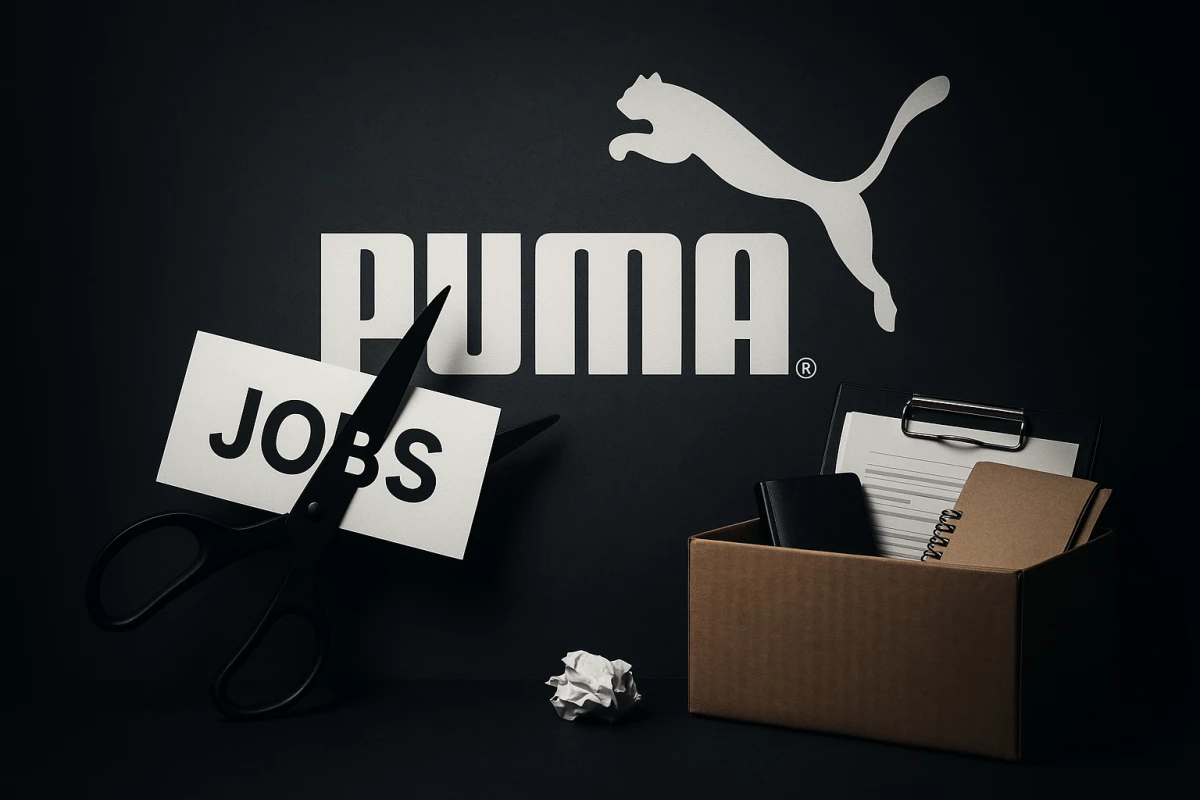
- Puma is cutting 900 jobs after a year of declining sales, highlighting what happens when a legacy brand starts to lose its edge.
- The company posted an estimated net loss of $66.1 million this quarter, down from approximately $135.6 million profit last year, reminding marketers how quickly brand momentum can fade.
- The company plans to refocus on core categories like running and football, reminding brands that specialization is the first step to stronger impact.
Puma is taking drastic steps to reclaim its place in the global sportswear race.
After years of losing momentum to competitors like Adidas and Nike, the German sportswear brand announced plans to cut 900 white-collar jobs.
This is part of a major overhaul of its marketing strategy to reignite what new CEO Arthur Hoeld calls “brand heat.”
Puma plans to slash 900 more jobs and sharpen its focus on running, football and training https://t.co/sNEKo51SJK
— Bloomberg (@business) October 30, 2025
The goal is to return to growth by 2027 and reestablish the sportswear brand among the world’s top three sports brands.
Hoeld, who took over in July, said the strategy will focus on Puma’s strongest categories:
- Running
- Football
- Training
All while rebuilding storytelling around its products from development to launch.
The move follows disappointing third-quarter results:
- Sales drop of 10.4% year-on-year at constant exchange rates to €1.96 billion (or $2.23 billion)
- A net loss of €62.3 million (or $72.3 million) compared to last year’s €127.8 million ($148.3 million) profit
Currency headwinds also cost the company roughly €125 million ($145 million) in sales.
Despite this, Puma reiterated its medium-term ambition to grow faster than the industry and achieve “healthy profits.”
Reclaiming Relevance
Under Hoeld’s plan, 2026 will serve as a "transition year" as Puma shifts away from its “too commercial” perception.
This repositioning will hinge on rebuilding credibility in fashion and sports culture.
This is something competitors like Adidas have achieved with retro releases such as the Samba, and Nike through a renewed focus on innovation and athletes.
Puma’s brand marketing strategy will also emphasize direct-to-consumer channels, which grew 4.5% in the last quarter, helping offset weak wholesale sales.
Hoeld aims to restore exclusivity to Puma’s products and strengthen its relationship with core consumers by reducing reliance on discounts and middlemen.
The company, which currently employs around 22,200 people, has already cut 500 jobs this year.
Puma’s share price has halved in the past 12 months, erasing over €3 billion ($3.8 billion) in market value and fueling takeover speculation.
Despite setbacks, Hoeld remains focused on long-term revival, acknowledging that Puma’s turnaround will take time and structural change.
"I am sure we will get the cat on track again," he said in a press conference.
Last year, Puma reported an annual revenue of $9.1 billion, ranking it fourth among global sportswear brands behind Nike, Adidas, and Lululemon.
Lessons from Puma’s Comeback Plan
For marketers, Puma offers a candid case study in how to rebuild relevance with a sharper strategic focus.
- Job cuts alone don’t fix perception. A revived creative core is what reignites emotional connection with consumers.
- Storytelling that starts from the product development stage builds authenticity across campaigns and categories.
- Prioritizing direct-to-consumer relationships can restore pricing power and control over how a brand shows up in the market.
Other major players are charting similar paths.
Starbucks, for instance, is closing underperforming stores and refreshing its global marketing on a $1 billion budget to reignite customer engagement after slowing sales worldwide.
The year ahead will test whether Puma’s focus on storytelling and product-led innovation can rekindle emotional connection with consumers in one of the most crowded industries.
Our Take: Can Puma Win Back Its Edge?
The first step for any legacy brand staging a comeback is owning up to its missteps.
I’ve seen too many companies chase hype rather than rebuild from substance, and Puma, under Hoeld's guidance, looks like it wants to be more intentional.
The brand isn’t trying to be louder and instead is trying to be meaningful again.
If Hoeld’s plan succeeds, it could become a blueprint for marketers navigating bloated portfolios and fading relevance.
It's a lesson to focus on your best categories, tell better stories, and give consumers a reason to care again.
Puma’s comeback won’t be about logos but conviction.
Recently, Amazon and Paramount Skydance unveiled their plans to cut 30,000 and 1,000 jobs, respectively, reinforcing the growing trend of industry giants' cost-cutting measures.