
Starbucks' 900-Store Shut Down: Key Points
- Starbucks will close hundreds of stores and cut 900 non-retail jobs as part of a $1 billion restructuring.
- More than 1,000 stores are set for redesign with warmer interiors, aiming to boost customer visits and loyalty.
- Analysts estimate 500 North American closures, with Europe also affected, including the iconic Seattle Reserve Roastery.
Starbucks has hit the reset button.
Earlier this week, the coffeehouse giant announced the closure of underperforming stores, cutting 900 non-retail roles to refocus on the core coffeehouse experience.
When he addressed employees on Thursday, CEO Brian Niccol said the move is intended to “reinforce what we see is working and prioritize our resources against them.”
Starbucks to close hundreds of stores and lay off staff as the chain continues to struggle. pic.twitter.com/B7nktV2urS
— Globe Eye News (@GlobeEyeNews) September 25, 2025
He described the closures as targeting “coffeehouses where we’re unable to create the physical environment our customers and partners expect, or where we don’t see a path to financial performance.”
In line with the move, Starbucks will notify staff at affected stores and make "best efforts to offer transfers to nearby locations."
Meanwhile, non-retail employees whose roles are being eliminated will receive severance and benefits support.
The company said that after accounting for both openings and closures, its North American count of company-operated and licensed stores will end the fiscal year at "nearly 18,300."
Niccol also framed the restructuring as part of a wider brand marketing strategy.
He describes it as Starbucks shifting resources toward "green apron partner hours, more partners in stores, exceptional customer service, elevated coffeehouse designs, and innovation.”
All to support a more engaging in-store experience.
A Store Switch-Up
Rather than ignore its cafés, Starbucks is planning to "uplift" more than 1,000 locations over the next 12 months, introducing this “texture, warmth and layered design” into interiors.
The idea is to make stores not just pickup points but places people want to linger.
The CEO also noted that early results from previously uplifted stores showed customers "visiting more often, staying longer, and sharing positive feedback."
Additionally, the chain is also eliminating many open non-retail positions, trimming back support layers that it deems less central to its café frontlines.
As part of the restructuring, it will ask nonessential office-based employees to work from home during the transition.
On the store‐closure front, analysts expect Starbucks may shutter around 500 North American locations this quarter.
Some closures will also touch European markets, including in the U.K., Austria, and Switzerland.
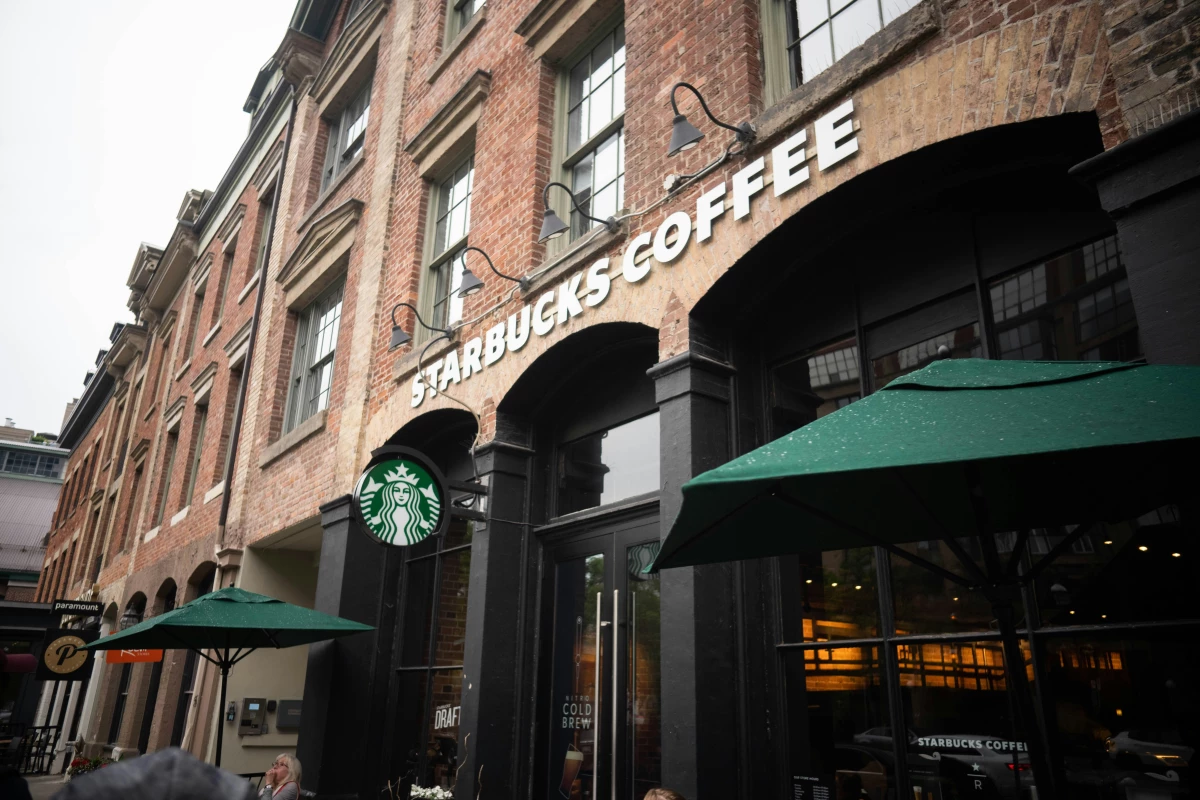
Among locations slated to close is the iconic Capitol Hill Seattle Reserve Roastery, one of Starbucks’ flagship experiential stores.
The costs of restructuring are steep: the company expects to spend $1 billion, with about $150 million going to employee separation and roughly $850 million related to lease exits and store exits.
Last year, Starbucks had charted six consecutive quarters of declining same-store sales, heightening the urgency for the chain to transform.
What Brands Can Learn from Starbucks' Restructuring
Starbucks’ current push offers a sharp look at repositioning a legacy brand under pressure.
- Dramatic retrenchment moves are more credible when balanced with visible investments in remaining assets.
- The in-store experience must mesh with the brand's messaging, with physical redesigns amplifying marketing promises.
- Older brands facing contraction can learn from peers.
Starbucks is in one tough spot, but it can learn not to make the same mistake other legacy companies made to change its customer experience.
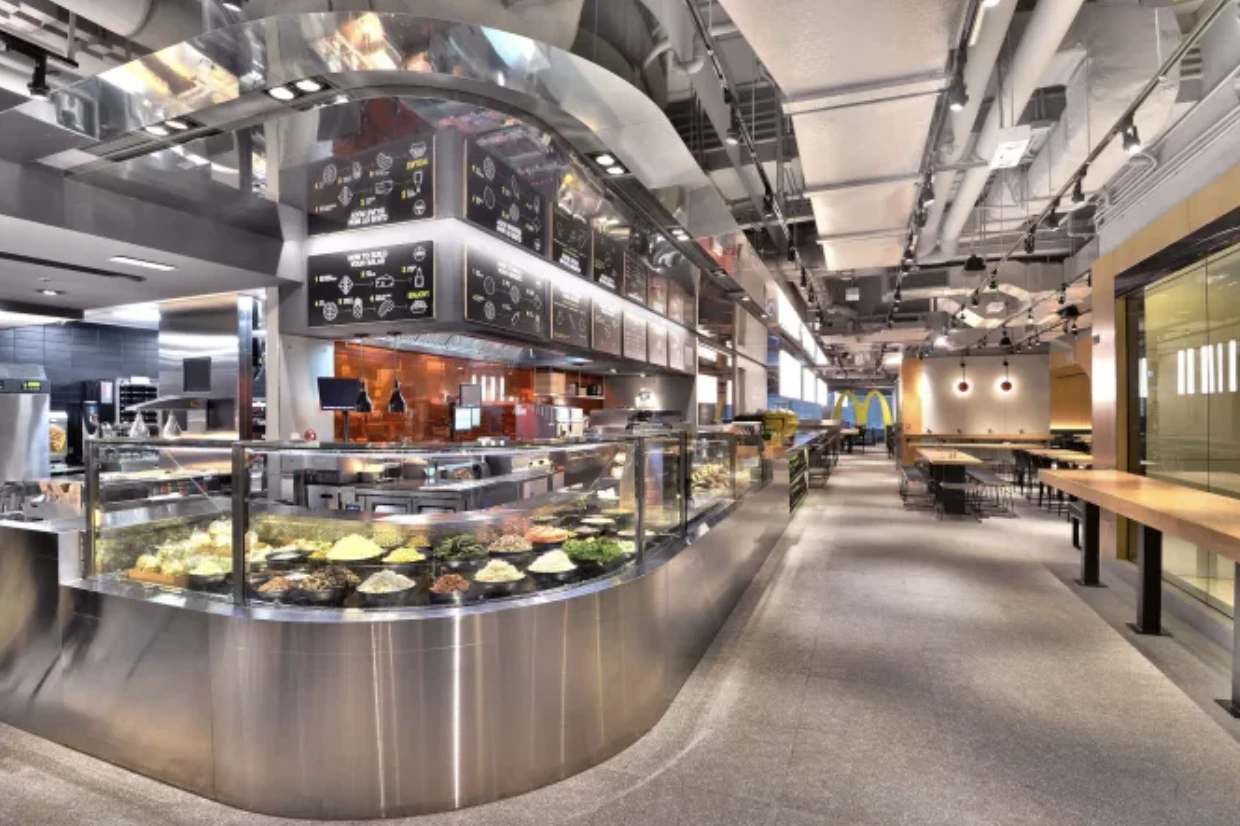
In 2016, McDonald’s once tried radical store formats in HK, which it dubbed "McDonald's Next."
The project never took off or scaled globally, leading the fast food giant to roll back on the idea.
This case study shows that even bold retail experiments need scalability to become a lasting brand strategy.
With Starbucks under pressure, its test will be whether it can evolve without alienating loyal customers in the process.
Last year, Starbucks was ranked 52nd on Interbrand’s Best Global Brands list, proof that it's still enduring a global footprint even amid reform.
Our Take: Is This Move Bold Enough?
We'll have to find out.
I believe Starbucks is right to double down on its café identity.
Cutting assets will always be brutal, but sometimes, it's a necessary move to make.
Seriously, this chain needs all the help that it can get, and it begins with the comfort and design of their stores.
— Keith R. Pillow | CMO | Tech Investor (@keithrpillow) September 9, 2025
An inside look at Starbucks’ coffeehouse redesign, as presented in @FoodDive by @CanhamClyne ▶️ https://t.co/dgdHk7Qu03pic.twitter.com/Gn1h1DmMUe
However, the chain's restructuring alone won’t guarantee revival, and the upgraded spaces must deliver on their promise of warmth and connection.
As a marketer, I see this as a high-wire act: any mismatch between experience and messaging could undermine the strategy.
If Starbucks pulls it off, it might become a living case study in how legacy brands recalibrate under disruption.
In other news, Café Bustelo and BBH USA previously launched an animated ad series that brought Latinos to the forefront.
Tea brand PG Tips, on the other hand, tapped British actor Ashley Walters in an uplifting spot that invites consumers to step back from stressors.