
Personalization in eCommerce: Key Findings
- Personalization is most effective when mapped to customer expertise, emotional state, and product complexity.
- eCommerce brands are integrating print and physical media to create more memorable experiences that boost engagement and loyalty.
- Strong eCommerce strategies prioritize timing, education, and quality over volume or gimmicks.
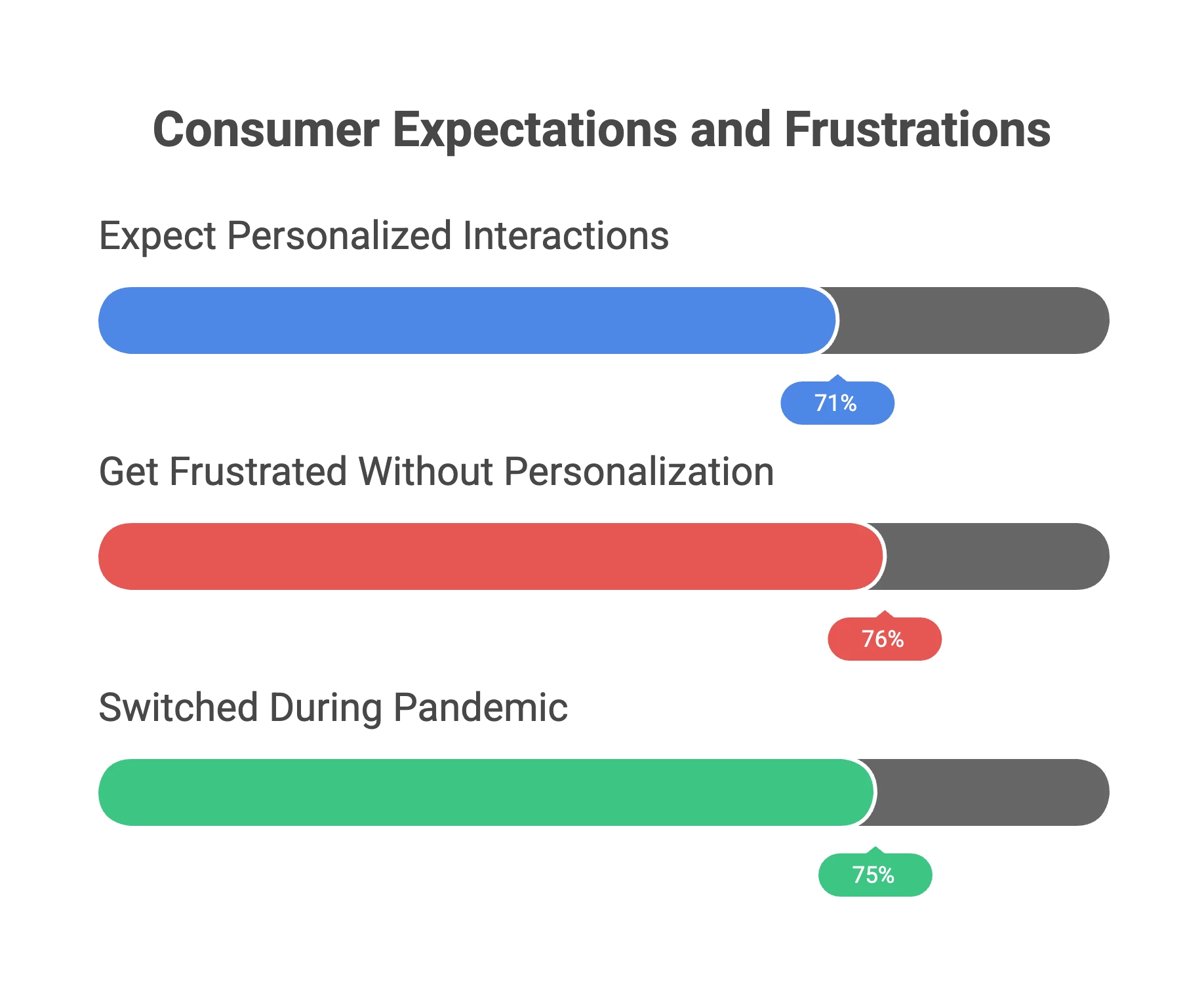
71% of consumers expect companies to deliver personalized interactions, according to the McKinsey Next in Personalization report.
And 76% get frustrated when this doesn’t happen.
But as customer expectations rise, brands face the challenge of scaling personalization without losing authenticity or trust.
This is where personalized brand moments come in.
Done well, they bridge the gap between performance and connection, creating customer experiences that feel both tailored and meaningful.
As consumers expect more relevant and thoughtful brand experiences across channels, I spoke with Corin Mills, brand marketing & eCommerce director at MOO, Mark Venables, president of The Crypto Merchant, and Susan Griffin-Black, founder and co-chief executive officer at EO Products.
In our interview, we uncovered how their teams are creating personalized campaigns, product journeys, and touchpoints that drive engagement, not just during high-traffic seasons, but year-round.
Quick listen: How authentic personalization builds loyalty in eCommerce — in under 2 minutes.

Who are the Experts?
Corin Mills is the brand marketing & eCommerce director at MOO, bringing over 15 years of experience in brand transformation at companies like Currys, EE, Tesco, and Google. He specializes in data-driven campaigns and creative storytelling, helping brands deliver memorable experiences through premium printed products and merch.
Mark Venables is a serial entrepreneur and president of The Crypto Merchant, the world’s largest retailer of cryptocurrency hardware wallets. With 25+ years of business leadership and over 20 companies founded across industries, he’s a recognized voice in crypto security and customer education. He’s also the author of Bit by Bit: Time to join the Block party and get in on the coin-versation.
Susan Griffin-Black is the founder and co-CEO of EO Products, makers of EO and Everyone for Everybody. A pioneer in clean beauty for over 25 years, she’s championed conscious, purpose-led businesses since discovering lavender essential oils in a London apothecary. What began as small-batch blends in her San Francisco garage grew into two beloved, EWG-certified brands sold nationwide. Known for balancing quality, sustainability, and accessibility, Susan also mentors female entrepreneurs, supports nonprofits, and draws on 30+ years of Zen Buddhist practice in her leadership.
7 Personalization Strategies That Build Loyalty
As consumer expectations outpace automation, brands that personalize with intention are turning one-time buyers into loyal advocates.
Here are seven proven personalization strategies reshaping how eCommerce brands build loyalty, using:
- Personalized print moments that surprise and delight
- Customer segmentation by knowledge level and emotional state
- Cross-channel integration of physical and digital touchpoints
- Post-purchase education tailored to customer expertise
- Consent-based data collection built on first-party insight
- Human-supported brand consistency across print and merchandise
- Fewer, better assets that boost relevance and retention
Here’s an in-depth look at how brands are using personalization to create loyalty-building experiences.
1. Use Print to Create Tangible Brand Moments
MOO works with clients across industries to help them create physical brand experiences that feel intentional and high-quality, especially during high-impact seasons like Q4.
“Gifting season in Q4 is a prime opportunity to bring brands to life in a way that showcases their quality,” Corin says. “At MOO, we believe differentiation is essential for both marketing and employee engagement.”
That means print and merchandise that go beyond giveaways.
MOO helps brands use in-box materials like premium greeting cards, branded planners, and invitations to build real-world connections customers remember.
These moments work best when they feel useful.
“MOO’s products are designed to last and impress — they’re not throwaway items,” Corin adds. “Everything is elevated with premium print quality on high-end stock.”
2. Segment by Customer Knowledge and Emotional State
For The Crypto Merchant, personalization means more than product recommendations. It’s about meeting customers where they are in their crypto journey.
“We've segmented our 14,000 email subscribers into distinct groups: crypto newcomers who need educational content, advanced users seeking the latest security features, and previous buyers who might need upgrades or accessories,” Mark says.
This segmentation has helped Mark’s team build trust through relevance.
Instead of pushing the same message to everyone, they tailor communications based on self-reported knowledge and crypto habits.
“The biggest mistake is personalizing without understanding your customer's emotional state and knowledge level,” Mark explains.
“The key is creating content hierarchies that match expertise levels, not just purchase patterns.”
3. Blend Physical and Digital for Cross-Channel Impact
In the age of online-first marketing, physical collateral still has a place, especially when it complements digital.
“Marketers see digital and physical media as two separate entities, but it’s the combination of both that really resonates in today’s world,” Corin shares.
He points to examples like direct mail with personalized codes, premium in-box inserts, and conference giveaways that align with broader brand storytelling.
One standout campaign was a partnership with skincare brand ELEMIS that used custom planners as part of a holiday self-care activation.
“MOO’s final design, including a premium gold-foil stamp of the brand’s logo, encompassed everything ELEMIS is about: British roots, a unique approach to innovation, and a luxury experience,” Corin explains.
4. Deliver Educational Post-Purchase Journeys
Mark’s team discovered that personalization doesn’t stop after checkout. In fact, some of their highest-converting campaigns happen after the sale.
“Post-purchase educational sequences are massively underrated,” he says.
“Most eCommerce brands stop at ‘your order has shipped,’ but crypto customers need ongoing education to use their products safely.”
These personalized follow-ups include setup tutorials, security guides, and tips that vary by customer skill level.
They’ve helped reduce support queries while boosting customer confidence and loyalty.
5. Gather Consent-Based, First-Party Data
With data privacy in sharp focus, brands like The Crypto Merchant are rethinking how they gather insight.
“In cryptocurrency, privacy isn't just a preference — it's fundamental to our customers' security,” Mark explains.
“We've built our personalization strategy on first-party data that customers willingly share because they see direct value.”
Instead of relying on third-party tracking, Mark’s team asks explicit questions like “Is this your first hardware wallet?” or “What’s your primary use case — trading, holding, or DeFi?”
This information then shapes email content, product recommendations, and onboarding flows.
“Customers share this information because it directly improves their experience and security recommendations,” he adds.
6. Ensure Creative Consistency With Human Support
MOO blends automation with human support to help clients ensure creative consistency across all brand touchpoints.
“We start by offering real human designers who help businesses bring their brand to life across both print and merchandise,” Corin says.
“So much of branding is getting the details right, and having a real human designer discussion helps connect the wider activity of the business.”
MOO prioritizes quality control across every physical product. This gives teams confidence that their campaigns will land exactly as intended across every channel.
7. Focus on Fewer, Higher-Quality Campaign Assets
One of the most common mistakes Corin sees in campaign planning is overdoing it.
“Companies prioritize quantity over quality. We have seen marketers adding more and more to gift bags at events or new starter packs versus pinpointing what their customers (and employees) really need,” he says.
At MOO, the goal is to create pieces that people actually use and remember.
“Branded assets are only effective when they are kept and used. Less product but better quality is a big benefit as they become part of people’s lives, not their dustbins.”
EO Products takes the same “quality over quantity” approach to both its product formulations and brand touchpoints.
For Susan, this is rooted in the company’s founding principle: that safe, natural, and beautifully scented products deserve the same care in presentation as in formulation.
“From the beginning, we’ve been guided by the belief that there is a place for natural, safe, and efficacious personal care products beautifully scented with pure essential oils,” she says.
Why Personalization Has to Be More Than a Marketing Tactic
Personalization only works when it’s rooted in the brand’s deeper purpose.
“It’s not just about knowing a customer’s name or sending them the right offer,” Susan says. “It’s about understanding their values and how your brand fits into their life.”
At EO Products, this means staying true to its ethos of transparency, ethical sourcing, and product integrity, even when tailoring experiences.
If the foundation is consistent, personalization feels like a natural, sincere extension of the brand rather than a one-off marketing effort.
Susan adds, “If you’re not grounded in who you are and what you stand for, personalization can come across as hollow. But when it’s authentic, it builds trust in a way nothing else can.”
What Brand Leaders Should Take Away
When done well, personalization is about making every interaction count.
The brands seeing the most impact are the ones who invest in understanding their customers’ needs, knowledge levels, and behaviors, then deliver the right message at the right time in the right format.
Tailored education, tactile print moments, and timely digital outreach all contribute to a more meaningful brand experience.
The strongest personalization strategies feel thoughtful, relevant, and human, and that’s what turns engagement into long-term loyalty.
Explore how agencies use AI to scale personalization: