
OpenAI’s Super Bowl Return: Key Findings
- The AI giant is returning to the Super Bowl to scale mainstream trust as competition intensifies across consumer and enterprise markets.
- The Super Bowl ad will position ChatGPT as an everyday tool, helping reduce public anxiety around AI adoption.
- Escalating spend from rivals like Anthropic and Google is a sign of an arms race where brand visibility now shapes category leadership.

Campaign Snapshot
OpenAI is returning to the Super Bowl stage in a marquee ad push that shows how tech rivals are racing for mindshare as much as users.
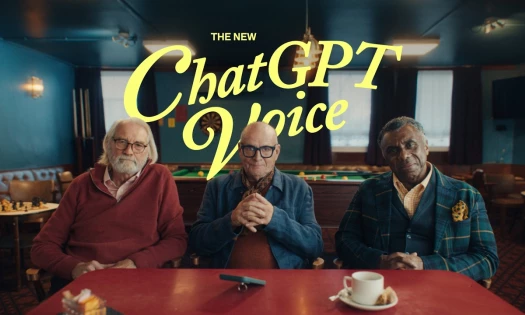
The AI company behind ChatGPT will run a 60-second spot during Super Bowl LX, marking its second straight appearance at the game, as reported by the Wall Street Journal.
Notably, last year’s debut on America’s biggest ad platform was the company’s first paid push into broadcast.
Exclusive: OpenAI is expected to air a Super Bowl ad for the second straight year, escalating its battle for users as rival AI companies gain ground https://t.co/1ErD9OKvjP
— The Wall Street Journal (@WSJ) January 13, 2026
One of the biggest challenges for AI companies is convincing mainstream audiences to adopt the tech at scale, especially as new models crowd the market and public skepticism persists.
That's why this year, OpenAI's ads are set to tackle how much ground the company and others see in mainstream marketing to build familiarity.
This is a necessary move as competition from the likes of Google and Anthropic intensifies.
As per the WSJ report, some brands are payingmore than $8 million for just 30 seconds of airtime at this year’s game.
And this doesn’t even include the creative costs of producing and launching a new commercial.
These high-stakes ad spend reflects a trend in how tech companies, including Anthropic, Google, Microsoft, and Perplexity, collectively spent an estimated $333.6 million on TV ads in 2025.
It's a sharp 43% increase from prior years, according to ad-tracking services per WSJ.
The Challenge of AI Companies
Despite the buzz around its products, OpenAI remains under pressure.
Google’s Gemini model has outperformed ChatGPT on industry benchmarks, prompting rapid updates from OpenAI.
Meanwhile, Anthropic has blitzed sports and primetime TV with ads for its Claude chatbot, advancing its position in both consumer and enterprise markets.
In fact, Amazon is making plans to replace 600,000 workers with automated robots by 2033 to cut costs and double output.
For OpenAI, these broadcast ads are its way of addressing unease surrounding these matters.
Last year’s spot titled "Intelligence Age" framed the technology as a breakthrough on par with historical inventions like the lightbulb.
More recent ads have pivoted toward relatability, showing everyday uses like recipe and destination suggestions.
And it plans to continue this trend.
According to the report, OpenAI’s own creative and media partners are expected to craft a narrative that balances excitement with utility.
How OpenAI is Easing AI Woes
To push AI into widespread acceptance, it's no longer just about developer communities or enterprise sales calls.
General awareness and comfort are now part of wider brand priorities.
For marketers, OpenAI’s Super Bowl plan is offering an early look at how fast-moving tech firms attempt to make complex products accessible to and embraced by millions of consumers.
Here, we learn that:
- Big cultural moments can help demystify early-stage tech when paired with simple, human-centric use cases.
- AI brands must address both utility and anxiety to widen appeal beyond early adopters.
- Coordinating spend across TV and digital helps maintain visibility against competitors like Google and Anthropic.
Last year, OpenAI’s annualized revenue run rate hit about $12 billion as its user and business subscription base grew sharply.
Our Take: Can Anticipation Build Trust?
Even before the ad airs, you can feel the stakes.
OpenAI is buying airtime as it tries to make a complex technology feel like something people can incorporate into their routines and use every day.
This kind of brand move (and technology)needs patience to plant a seed in the minds of millions and let it grow.
The gamble is cultural, not just creative.
Can viewers ease into the idea and see ChatGPT as a helpful companion instead of the thing that would replace us?
If OpenAI nails its human angle, it could turn the hype into long-term trust.
In other news, Instacart also recently announced its return to the biggest sports stage, following the success of its 2025 "We're Here" spot.
These top agencies in our directory help AI companies use stories to build connections and drive tech adoption.