
Key Takeaways:
- OpenAI has acquired Jony Ive’s io for $6.5 billion to develop a new category of AI-powered consumer hardware.
- The move marks OpenAI’s largest acquisition and signals its ambition to control both the software and physical interface of AI technology.
- AI companies are entering the hardware race, with speculation pointing to wearable devices as the next major interface and putting OpenAI in direct competition with Apple, Meta, and Google.
What if the next iPhone isn’t a phone at all?
OpenAI is betting $6.5 billion that legendary iPhone and iPod designer Jony Ive can help it build the next iconic consumer device.
The company announced Wednesday that it has acquired io, the design startup founded by the former Apple design chief, to develop a new category of AI hardware.
thrilled to be partnering with jony, imo the greatest designer in the world.
— Sam Altman (@sama) May 21, 2025
excited to try to create a new generation of AI-powered computers. pic.twitter.com/IPZBNrz1jQ
The deal brings Ive and his team directly into OpenAI, where they’ll lead creative and design efforts across hardware initiatives, including a still-unnamed AI device.
“I have a growing sense that everything I have learned over the last 30 years has led me to this moment.
While I am both anxious and excited about the responsibility of the substantial work ahead, I am so grateful for the opportunity to be part of such an important collaboration,” Ives said in the official announcement.
While details are scarce, OpenAI CEO Sam Altman says the technology could fundamentally reshape how people interact with AI.
The acquisition is OpenAI’s largest to date, coming just weeks after its $3 billion purchase of AI coding tool Windsurfer.
🚨 BREAKING: OpenAI just bought Windsurf for $3 billion.
— Brendan Jowett (@jowettbrendan) May 6, 2025
They’re not just acquiring a product they’re cornering a market.
This is the start of an AI coding war.
Cursor, Replit, v0… all just became targets.
Here’s what’s really going on:
• Windsurf pivoted from GPU infra to… pic.twitter.com/qPcUTzxQd9
The company, recently valued at $300 billion, is expanding rapidly in a race to define the future of AI interfaces.
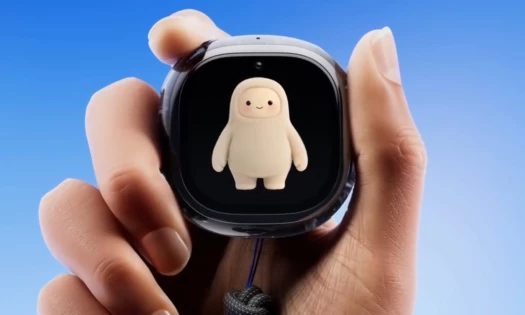
Industry insiders speculate that OpenAI’s new product could take the form of a wearable device that bypasses the smartphone entirely.
If successful, it could mark a shift as dramatic as the iPhone’s debut in 2007.
Such a breakthrough would change how users interact with technology and challenge the dominance of existing hardware platforms.
Big Tech’s Next Battleground
OpenAI’s move into hardware shows its intention to shape how people physically connect with it.
Owning both the intelligence and the interface gives the company a chance to control the full experience and unlock new revenue beyond software and APIs.
It also sets OpenAI up to compete head-on with hardware giants like Apple, Meta, and Google.
AI companies are increasingly looking beyond code to create physical products that make their technology more accessible and essential to everyday life.
This move is proof that tech firms see hardware not just as a product, but as a strategic touchpoint to influence user habits, data flow, and long-term brand loyalty.
Even lifestyle brands like Ray-Ban have gotten in on the action, teaming up with Meta to launch smart glasses that merges fashion with AI functionality.