

Nvidia's board reversed its decision on Jensen Huang's return in six days, giving the chipmaker another leadership crisis to explain.
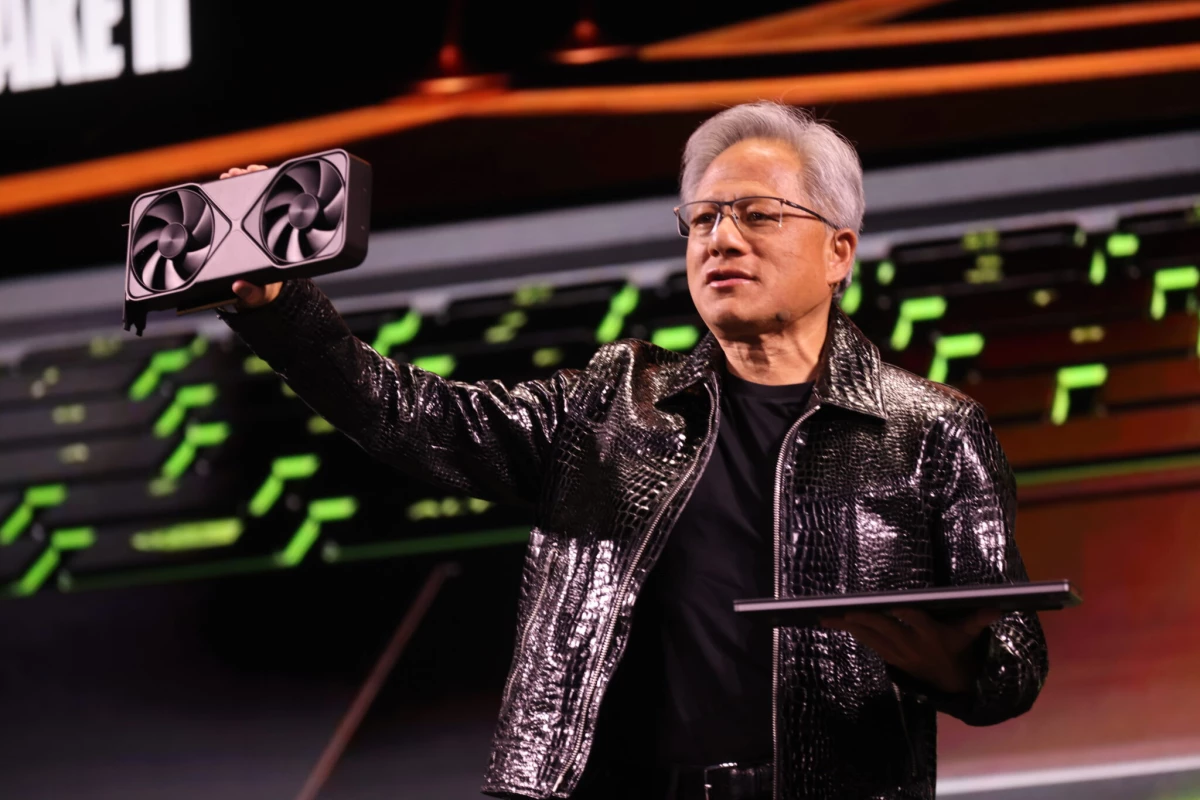
On November 23, Nvidia reinstated Huang as president and CEO, less than two weeks after his resignation and six days after its board publicly ruled out bringing him back.
The board voted unanimously following discussions with Huang, saying it was satisfied with his candor and ability to lead the company.
"We have every confidence in Jensen and look forward to working with him as he resumes his leadership of the Company," Harvey C. Jones, Chair of the Board, said in a press release.
"We are grateful to Colette Kress for her outstanding service as interim CEO, in addition to her continuing responsibilities as NVIDIA’s Chief Financial Officer."
Furthermore, Chairman Harvey C. Jones also said the board received input from senior US government officials and was confident Huang's return posed no national security risk.
“The NVIDIA Board of Directors has made the correct and proper decision to return Jensen Huang to the position of CEO… Congratulations to Jensen, the NVIDIA Board, to the People of the United States — and, indeed, the World!” - President DONALD J. TRUMP https://t.co/bKAxuMr9aA
— The White House (@WhiteHouse) November 23, 2026
The reversal followed public calls for Huang's return from US President Donald Trump, who said he had spoken with the board and welcomed its eventual decision.
Trump described the reinstatement as the correct move for Nvidia and the country.
Investors responded to the move quickly.
Nvidia shares surged 33% on November 23, adding an estimated $900 billion to the company's market value, per Reuters.
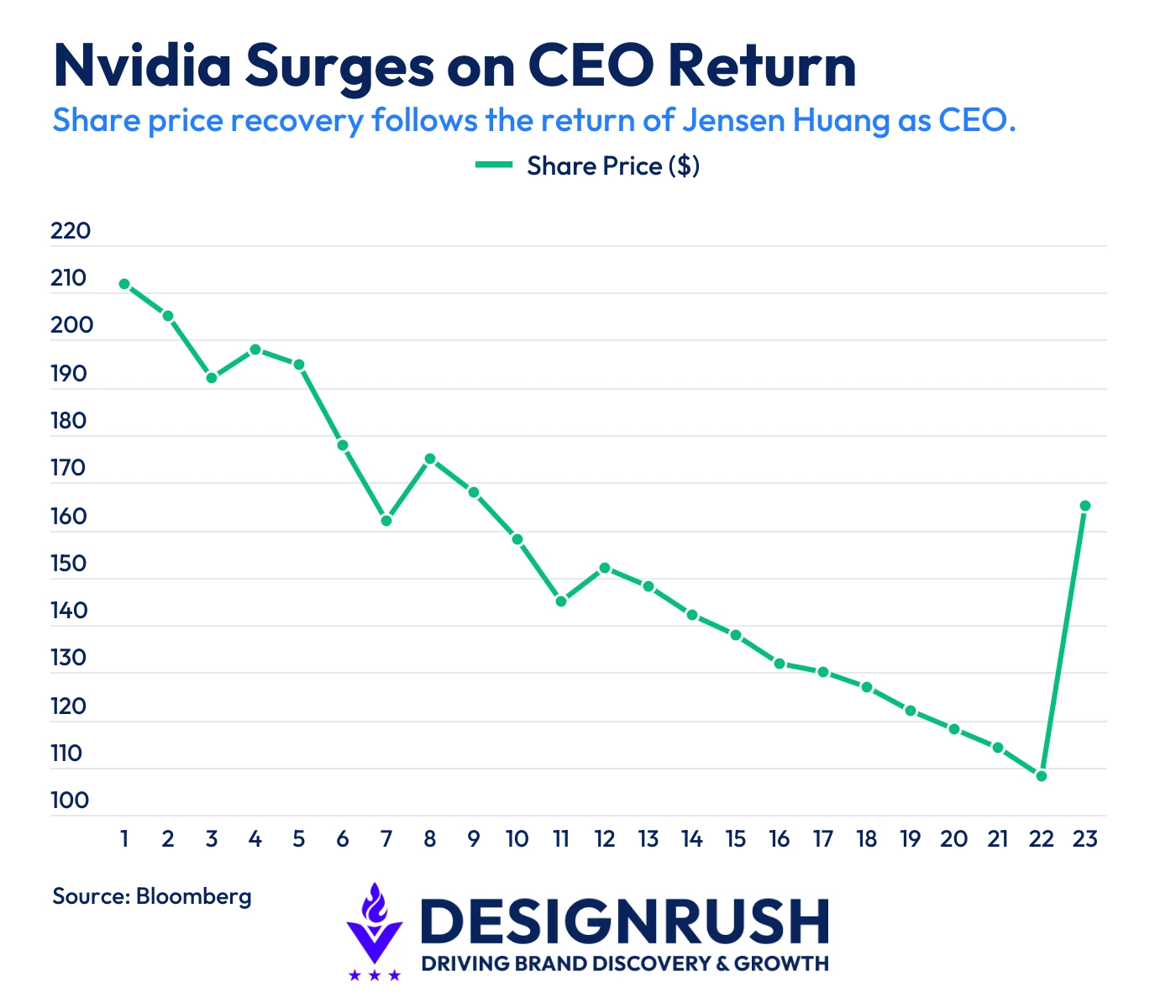 The announcement also helped lift other AI-related stocks after uncertainty surrounding Nvidia had weighed on the sector.
While Nvidia got its executive back, it also leaves the board with a difficult question.
How does a company enforce its own standards when the executive involved is also central to its business?
The Board Changed Its Position
The reversal came as a surprise to many, especially since the board had already given investors a definitive answer about Huang's future.
On November 17, Jones said the board unanimously accepted Huang's resignation and did not intend to reinstate him.
He also described the personal conduct that led to the resignation as inconsistent with Nvidia's code of conduct, standards, and cultural norms.
Six days later, the same board unanimously approved his return.
Huang's departure followed his November 8 apology for being "unfaithful to my wife."
Reports had linked him to Alice Huang, a Megaspeed executive suspected by US authorities of having ties to Chinese intelligence.
Huang resigned on November 12, while CFO Colette Kress became interim CEO and the board began searching for a permanent replacement.
The original controversy raised questions about Nvidia's executive oversight and its exposure to potential national security risks.
Huang's reinstatement does not automatically resolve either issue.
Moreover, its announcement did not detail what changed in the board's assessment of his conduct or how his reinstatement addressed the standards cited in its earlier statement.
While the government's input addressed national security concerns, Nvidia's original explanation also involved its internal code of conduct.
As such, these two issues require two separate answers.
Nvidia's Investigations Will Continue
Nvidia's board says its investigation into reports that foreign intelligence targeted Huang will continue until completed.
Additionally, the company said Huang supports the investigation and will cooperate with it.
The board has also formed a National Security and Export Control Committee, made up entirely of independent directors, to oversee trade compliance and national security risks.
Per its statement, Nvidia is also searching for a Chief Compliance Officer to "oversee compliance across NVIDIA and report to the Nominating and Corporate Governance Committee."
Congressional scrutiny will continue, too.
Huang has agreed to appear before three House committees for a transcribed interview on December 1, while Nvidia General Counsel Tim Teter is scheduled for December 2.
Lawmakers want answers about the company's dealings with Chinese entities and whether restricted AI chips reached unauthorized buyers.
Overall, these developments give Nvidia several separate issues to communicate, each involving different stakeholders and potential consequences.
Founder-led businesses can take three lessons from Nvidia's reversal into their next crisis communications review.
Explain What Changed Before Announcing a Reversal
A board should prepare a clear account of what informed a major leadership decision before announcing a change.
Nvidia's six-day reversal gives stakeholders a reason to ask what changed between November 17 and November 23, and an agency can help directors communicate that reasoning.
Keep Independent Oversight Visible
Companies should communicate with transparency which directors and external advisers oversee investigations involving senior executives.
Nvidia's independent investigation committee and new National Security and Export Control Committee give stakeholders identifiable oversight structures.
To add to that, a PR agency can help explain their responsibilities while keeping confidential findings private.
Prepare for Scrutiny After the Comeback
A returning executive does not mean every stakeholder has accepted the decision.
Agencies can build separate briefing materials for each audience and update them as investigations and hearings develop.
Our Take: Who Explains the CEO's Return?
Nvidia's reinstatement shows that a company can resolve a leadership vacancy without resolving the questions that caused it.
We'd have the board retain a crisis communications agency to manage the company's explanation of the decision.
It's better than leaving that responsibility to the returning CEO or his personal PR team.
After all, Huang has his own interests to protect, while Nvidia must answer to employees, shareholders, customers, and regulators.
While those interests may overlap, they are not interchangeable.
We'd also have the agency prepare for another leadership change.
If new findings or regulatory developments affect the company's position, Nvidia should be able to explain its next steps without scrambling to develop a response.
In short, a founder can return to the CEO's office, but the board still has to account for the decision.
Brands comparing crisis communications partners can explore top public relations firms on DesignRush.