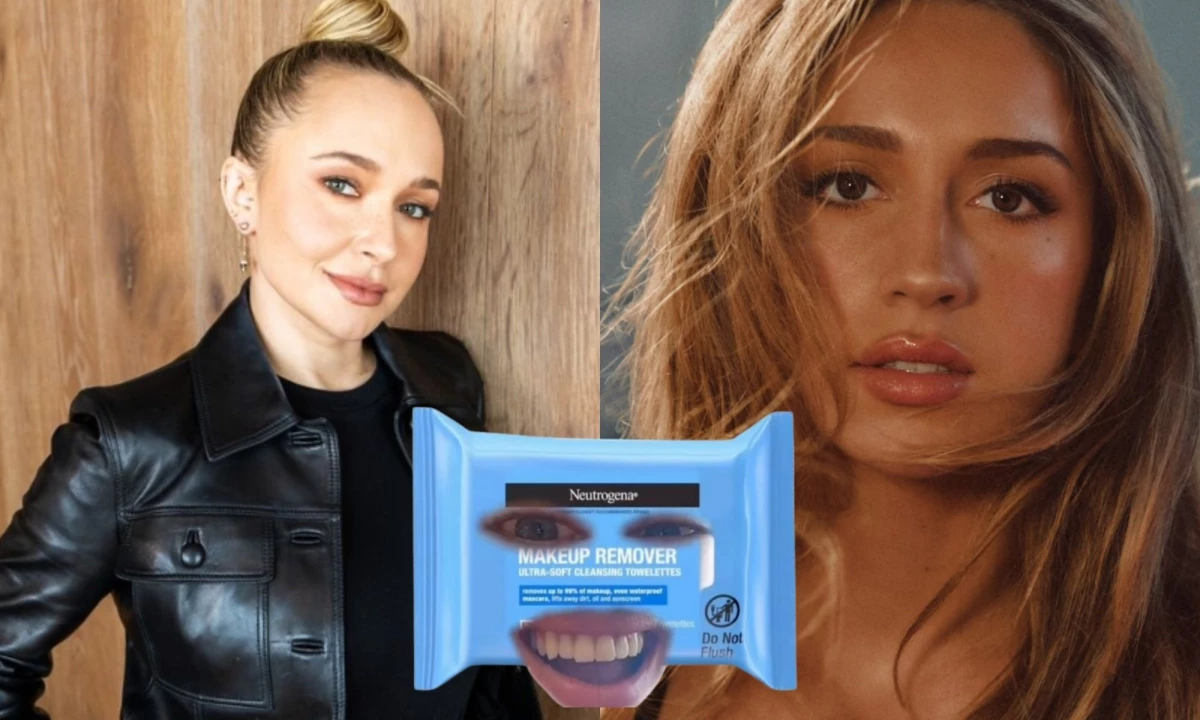

Neutrogena is facing two very different ambassador controversies at once.
Both raise questions about how much credibility a celebrity partnership can give a brand, and how quickly that credibility can become a liability.
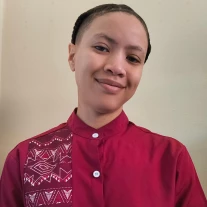
Hayden Panettiere's account of her decade-long Neutrogena deal has resurfaced online.
Critics are now focused on how the brand allegedly responded when she discussed postpartum depression on TV.
Panettiere passed away on August 16 in Greenville, South Carolina, and the cause remains under investigation. She was just 36 years old.
Meanwhile, a video from current global brand ambassador Tate McRae drew accusations that she barely used the products she was promoting.
The two viral stories involve different kinds of scrutiny.
Neutrogena answered McRae with a joke in 11 days, while the morality clause claim is going on for three months with no reply.
One case asks whether its paid content looks real, and the other tests what Neutrogena believes about mental health.
Both leave Neutrogena managing a brand crisis where audiences are judging the people behind the brand as closely as the products themselves.
Panettiere's Firing Claim Resurfaces After Her Death
In a May 11 episode of the "On Purpose with Jay Shetty," the "Heroes" and "Nashville" actor said Neutrogena ended her 10-year endorsement deal.
The trigger was a September 2015 appearance on "Live! with Kelly and Michael" where she discussed postpartum depression publicly for the first time.
Panettiere said the company cited a morality clause in her contract.
Her representative then pushed back and argued that firing her over a mental health disclosure would be illegal.
The endorsement deal continued through the remainder of the contract, but Neutrogena didn't renew it.
"Of all the things that they would fire me over, this [post-partum depression] was the last thing that I thought they would fire me over," she told Shetty in the episode.
Panettiere went on to add that she never thought that "anyone would have a bad reaction" to her truth.
She also shared how she was heartbroken when they parted ways without Neutrogena sending her well wishes for a decade of partnership.
The brand and parent company Kenvue have not publicly responded to her account.
Her comments resurfaced across social platforms following her untimely death, bringing renewed criticism from consumers.
They questioned the decision and tied it to Neutrogena's positioning on women and health, with many calling for a boycott.
Marketing and PR professionals asked whether the treatment was compatible with the values a consumer health and beauty brand should represent.
Neutrogena's silence leaves it with a difficult communications problem, since Panettiere's account is the only version on record.
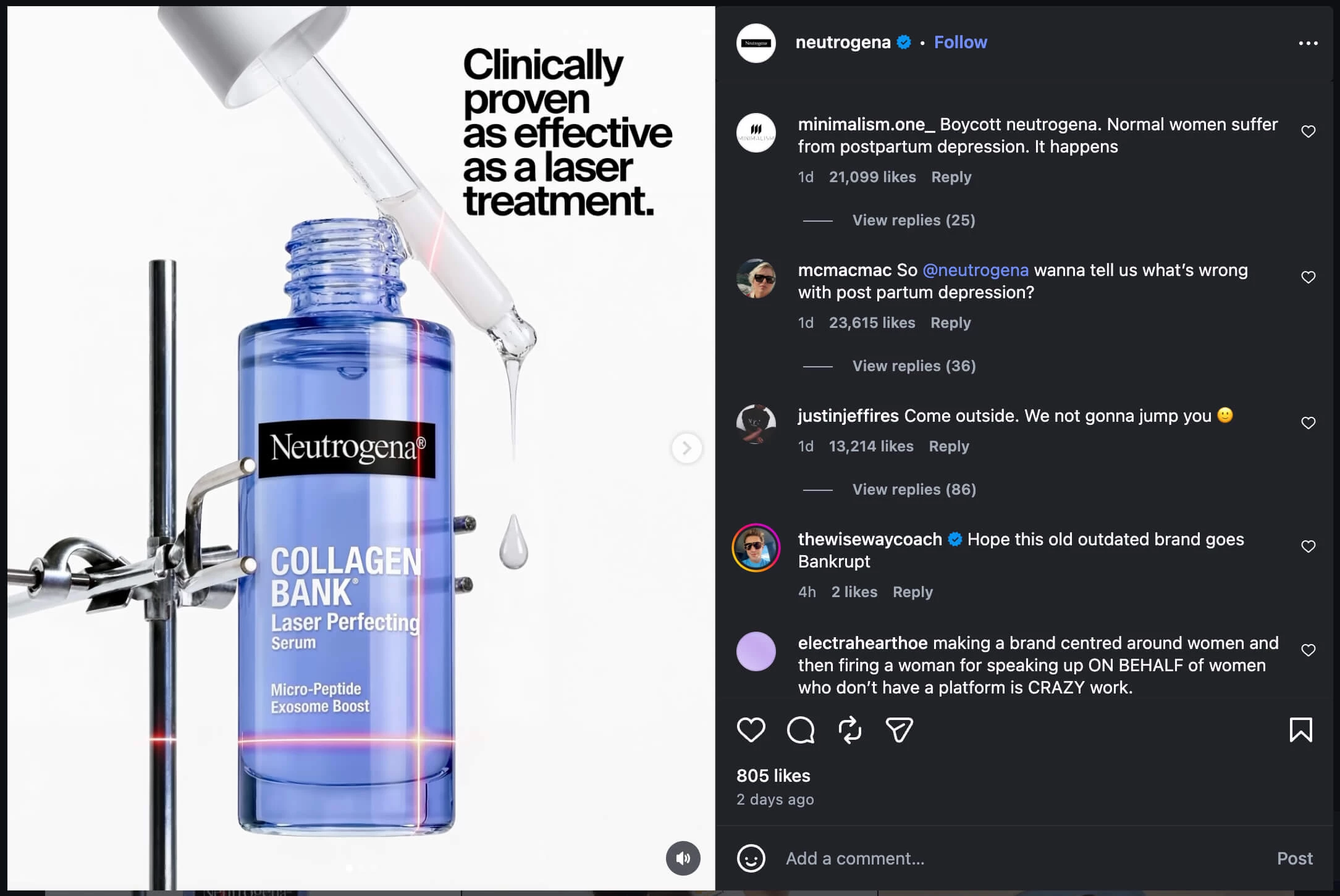
Netizens flooded the brand's latest Instagram post, accumulating over 9,000 comments in the past three days.
"[M]aking a brand centred around women and then firing a woman for speaking up ON BEHALF of women who don’t have a platform is CRAZY work," one user wrote.
Online audiences are reading the story through today's expectations of transparency and corporate responsibility.
Consumers don't need a legal finding to decide that a brand failed them, and the timing makes Neutrogena's silence more expensive than usual.
Remember that Kenvue is working to close a $48.7 billion sale to Kimberly-Clark in the second half of 2026.
The deal puts every open brand reputation question in front of investors, as well as shoppers, which could devalue the entire company.
McRae's Wipe Video Racks Up 20 Million Skeptical Views
McRae's controversy is considerably lighter, but it presents a different risk.
In an early-August TikTok post-show routine filmed on a flight to Lollapalooza, McRae appeared to barely touch her skin with the makeup remover wipes.
The clip drew more than 20 million views and nearly 13,000 comments, many of them asking how the brand approved it for posting.
Comments questioned why McRae was avoiding her skin, with her finger visibly in between the wipe and her skin.
The criticism that this wasn't an appropriate way to promote a skincare product spread because the problem was in the content itself.
Audiences didn't need additional context to decide that the endorsement looked unconvincing.
Neutrogena waited over a week and responded on August 13 with an Instagram video voiced by the makeup wipes themselves.
The wipes thanked everyone for the attention and joked about being better at causing a scene than at cleansing a face.
Users praised the reply for recognizing the criticism without getting defensive.
Humor effectively managed the conversation, but it doesn't fix the content approval process that let the video through.
Neutrogena still has to answer for how a global ambassador's sponsored post cleared marketing review looking like it did.
Users' praises were short-lived, as this post also started getting negative comments about how the brand ended its contract with Panettiere 10 years ago.
53% Trust a Recommendation Less When It's Paid
Influencer marketing is now a $24 billion industry in the U.S.
But research points to a growing gap between its commercial value and the consumer confidence it's supposed to evoke.
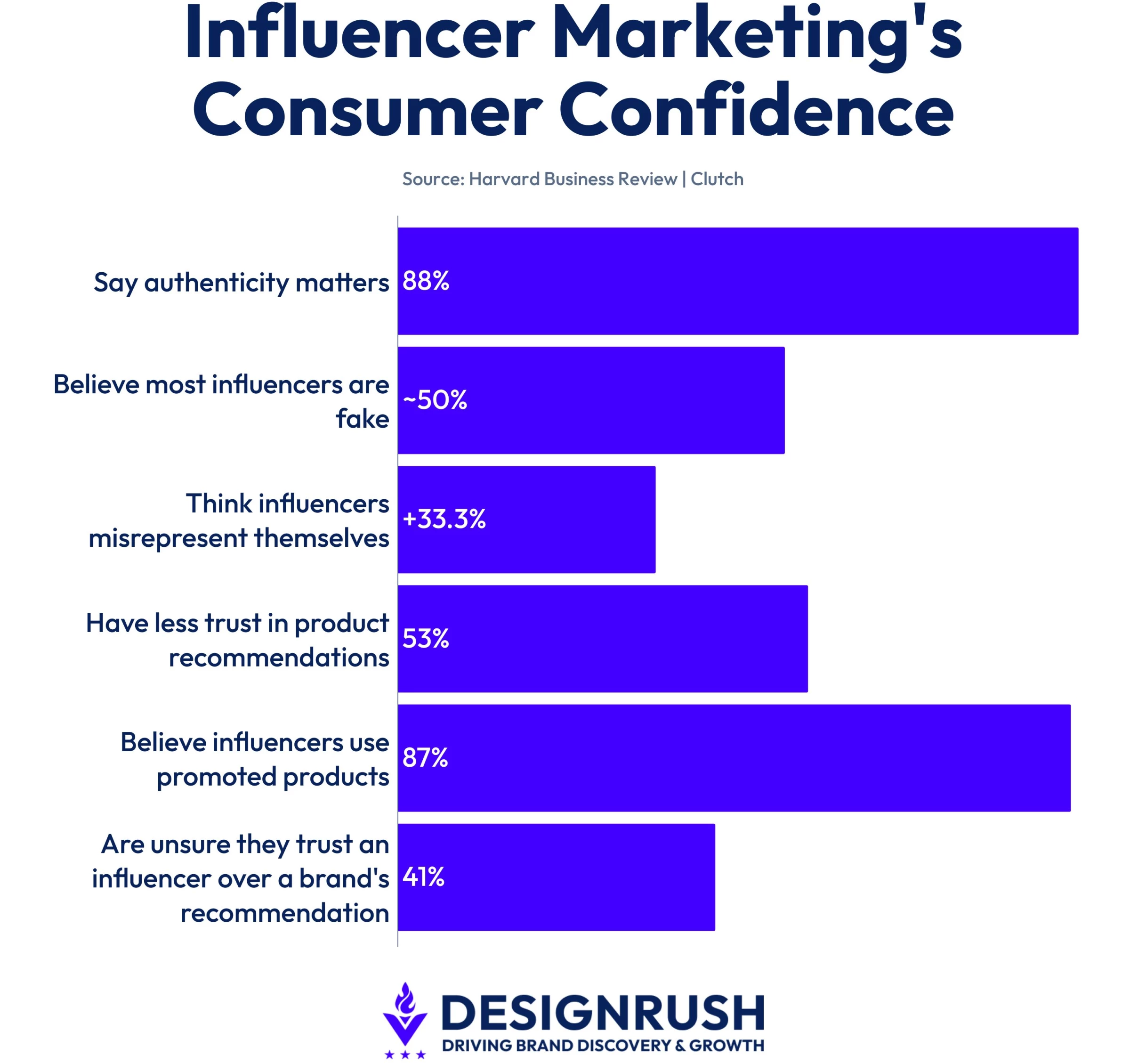
Harvard Business Review cited research showing that 88% of consumers say authenticity matters.
Still, nearly half believe most influencers are fake.
Clutch's 2025 survey found that 53% had less trust in a product recommendation when they knew the influencer was paid.
Meanwhile, some 87% still believed influencers had used the products they promoted, though 52% of them thought the influencer used it once at most.
Audiences understand that influencer partnerships are commercial, yet they still expect the product demo to hold up on screen.
McRae's video failed the one test consumers still grade influencers on, which is whether the person actually used the product.
The Panettiere allegation sits outside what these numbers measure, since no survey grades a brand on how it treated a spokesperson years ago.
And this gap is the risk, because consumers form the judgment anyway, even though Neutrogena has given them nothing to weigh it against.
For brands, three lessons stand out from Neutrogena's ambassador crisis:
- Credibility travels with the spokesperson. A trusted ambassador can strengthen brand perceptions, while questionable behavior can attach doubts.
- Product use needs to withstand scrutiny. Social audiences can inspect endorsements frame by frame, making weak product demonstrations difficult to hide.
- Crisis responses affect interpretation. A brand's response becomes part of the story, so silence, humor, clarification, or action can influence outcomes.
Every ambassador program needs a reputation management strategy attached from the get-go.
Our Take: Can Neutrogena Protect Its Brand Equity?
Neutrogena needs a clearer standard for what an ambassador relationship is supposed to prove about the brand.
We think, though, that the more important question in these two controversies is the brand's response speed.
It responded to the McRae issue after 11 days, while Panettiere's allegations remain unanswered after three months.
Comment
by u/yougotyolks from discussion
in popculturechat
This silence is expensive right now, with the Kimberly-Clark deal turning reputational problems into diligence items.
We think that Neutrogena should just say what a health disclosure means inside an endorsement contract, publish it once, and apply it to everyone.
It happened 10 years ago, and it can also add an apology and speak about the changes it has already made since then or will make starting now.
Remember that brand partnerships exist in public for years, and old interviews, posts, and decisions can return to the conversation without warning.
Brands have to be ready to act fast whenever a crisis appears.
Celebrity partnerships can create visibility, but they also create reputational exposure that brands need to manage.
Explore these top reputation management companies that can help monitor brand perception, manage public scrutiny, and protect stakeholder trust.