
Netflix wants a place in the World Cup conversation, even without broadcast rights.
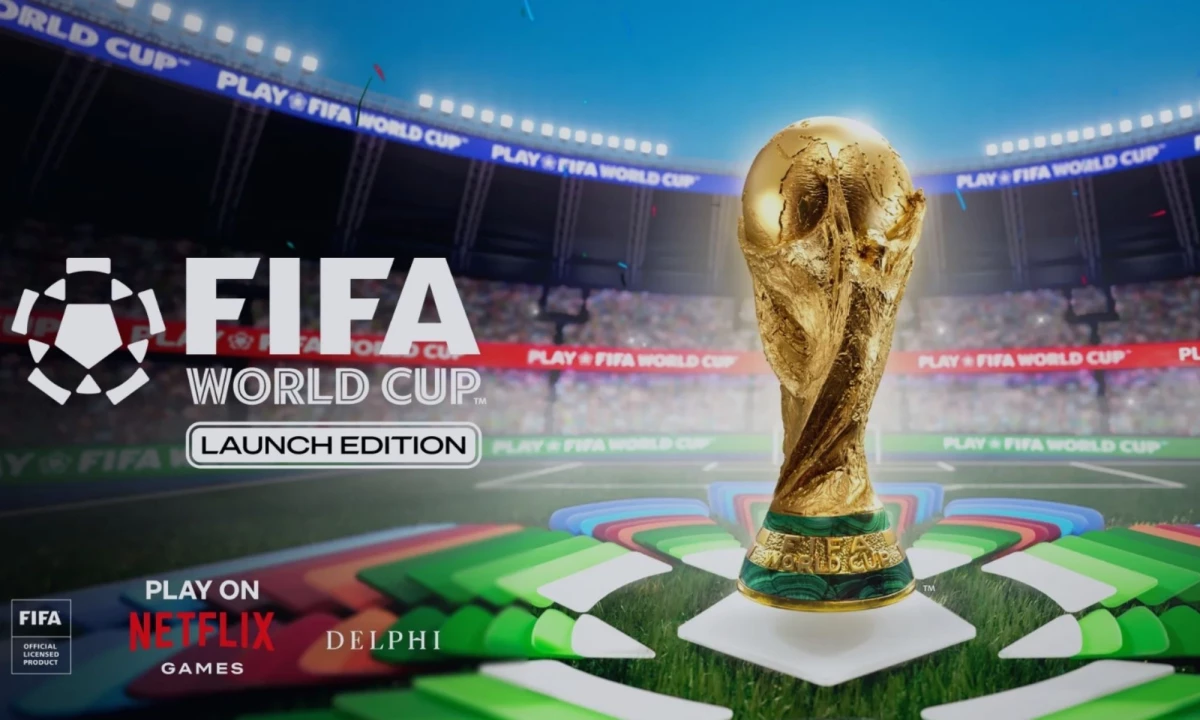
The streamer and FIFA are releasing "FIFA World Cup: Launch Edition" on June 11, exclusively through Netflix Games.
Delphi Interactive developed the game, and players can compete as any of the 48 teams across every stadium.
Players use their phones as controllers while the TV becomes the field.
Up to four people can play at once, and the game comes free with any Netflix membership.
This brand partnership gives Netflix another way to capitalize on global interest as the 2026 FIFA World Cup opens tomorrow.
While Fox and Telemundo control U.S. broadcast rights, the streamer is creating its own entry point through interactive entertainment.
A Second Screen for the World Cup
The new title strips away many of the complexities associated with sports simulations in favor of immediate, social gameplay.
Players scan a QR code with their phone, connect to a smart TV, and begin competing within seconds.
More than 1,200 players are represented in the game, with future updates expected to reflect tournament developments and expand gameplay features.
Gamers can also recreate real matches or create their own World Cup storylines.
The release arrives alongside a broader slate of football-focused programming on the platform.
It includes documentaries on Ronaldinho, James Rodríguez, Vinnie Jones, and Lukas Podolski, as well as historical stories about major football moments.
While FIFA gains another digital channel to reach fans, Netflix gains a year-long engagement tool that keeps audiences inside its platform.
Rights, Revenue, and Audience Value
World Cup broadcasts remain among the most valuable assets in sports media, which explains why companies across industries seek adjacent opportunities.
FIFA generated more than $7.5 billion in revenue during the 2019-2022 cycle, with the men's World Cup accounting for the majority of this income.
Money like this makes World Cup coverage premium territory for media companies.
Fox holds English-language U.S. rights for the men's tournament, while Telemundo controls Spanish-language coverage.
Netflix already owns U.S. rights to the 2027 FIFA Women's World Cup.
And this fact gives the company a direct stake in football's future growth and advertiser interest.
The exclusivity also creates opportunities for other media companies to compete through content, gaming, and sponsorship activations.
Netflix's game launch points to three ways brands can win fans without owning the broadcast.
- Exclusive rights create scarcity. Brands should identify adjacent experiences to remain relevant when premium inventory is unavailable.
- Participation deepens engagement. Companies should create interactive formats to keep audiences involved between live matches and broadcasts.
- Audiences reward convenience. Platforms should reduce barriers to entry to maximize reach across casual and dedicated fans.
When sports properties become harder and more expensive to acquire, engagement products can create value without requiring ownership of the main event.
Our Take: Is the Game a Test Run for Bigger FIFA Rights?
The game is the smallest piece of a much louder signal.
We think it's working as a test run, because Netflix already told the market what it wants.
Netflix VP of Sports Gabe Spitzer said in a podcast that the streamer will pursue global rights when it can get them.
On top of the 2027 and 2031 Women's World Cups, Netflix also holds rights to CONCACAF events in Mexico and live deals with the NFL and WWE.
The FIFA game just adds first-party behavioral data on how soccer fans act on the platform, which sharpens its hand before the next rights auction.
The open question is whether casual gamers become the live-match viewers advertisers pay a premium to reach.
If Netflix proves this conversion, a bid for the men's World Cup then becomes a realistic next step.
As the 2026 World Cup draws near, brand campaigns from Adidas, LEGO, and Lay's are already setting the standard for how to win fans before kickoff.
Looking to create fan engagement experiences across gaming and sports?
Explore these top experiential marketing agencies that connect audiences with interactive experiences.