
Building Trust into AI-Powered Apps: Key Findings
- Diagnostyka and Miquido, as a technological partner, launched a new AI-powered mobile app that prioritizes trust, transparency, and preventive care in healthcare.
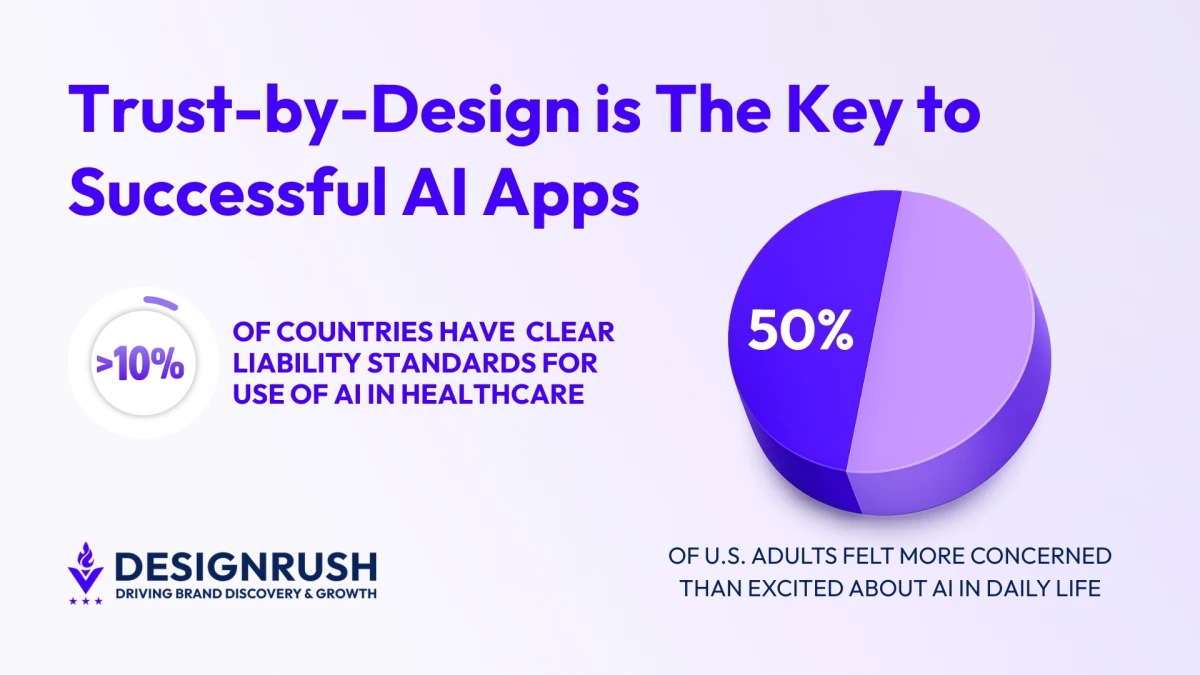
- Roughly 50% of adults remain concerned about AI in daily life, making trust-by-design a prerequisite for adoption in AI-powered healthcare products.
- Less than 10% of countries have clear liability standards for healthcare AI, so teams must embed safety, transparency, and compliance directly into app architecture.
There’s no question that AI has steadily increased its presence in healthcare.
However, the question many patients pose instead is an important one.
“Can AI be trusted?”
That question sits at the center of a new mobile app launched by award-winning software development company Miquido and Diagnostyka, Poland’s leading laboratory diagnostics provider.
The updated Diagnostyka app introduces AI-powered and gamified preventive healthcare tools designed to support patients in a secure, transparent, and user-friendly way.
Editor's Note: This is a sponsored article created in partnership with Miquido.
Key features of the new app include:
- LiDia: A virtual AI assistant that organizes preventive healthcare in a transparent, fact-based manner.
- Profilaktometr: A proprietary gamified dashboard that helps users start or improve their preventive health activities.
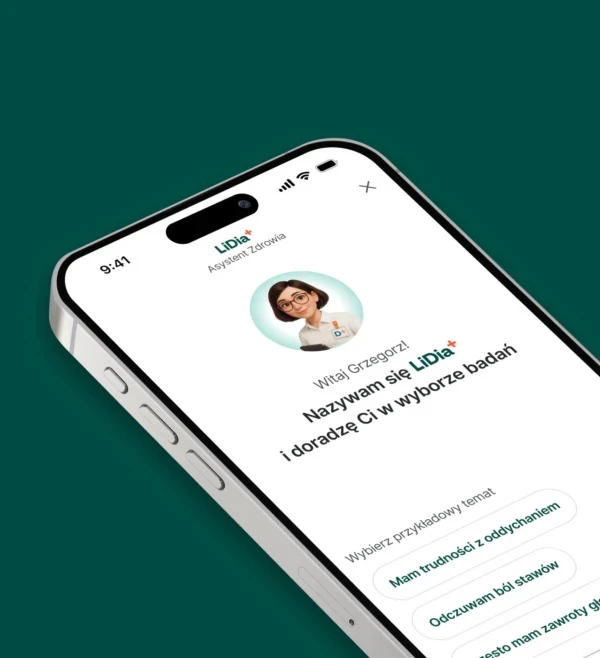
The new app also offers quick and secure access to any test results, an initial interpretation option prepared in cooperation with Labplus, and an improved information architecture.
Overall, the new app now focuses on proactive health management, instead of simple one-off testing.
The product vision and strategy were led by Diagnostyka’s internal team to ensure the app aligned with the company’s broader mission to promote preventive healthcare at scale.
“As the leader of the laboratory diagnostics market in our country, we are constantly evolving, utilizing the latest technologies, and implementing solutions that make it easier for Poles to look after their health,” said Jaromir Pelczarski, Vice President of the Management Board of Diagnostyka S.A.
“Together with our partners, we have ensured that AI algorithms and our own proprietary tools can accompany patients daily in a safe, understandable, and intuitive way."
That emphasis on safety and clarity was a deliberate strategic choice from both Diagnostyka and Miquido.
This is because public confidence in AI remains relatively shaky despite recent advancements.
In 2025, data from Pew Research Center showed that roughly half of adults in the United States felt more concerned than excited about AI in daily life.
In Poland, where Diagnostyka operates, 37% of adults expressed similar concern.
At the same time, a WHO Europe report found that less than 10% of surveyed countries have clear liability standards for AI in healthcare.
As adoption accelerates faster than regulation and public confidence, Diagnostyka’s new app is proving that trust-by-design is quickly becoming the defining factor for successful AI-powered products.
Building Trust in Every Touchpoint
Diagnostyka has long been committed to preventive healthcare and positively impacting the health and awareness of Poles.
This can be seen in the company’s regular nationwide preventive campaigns, educational webinars, and training sessions.
As such, they wanted to build an updated app that reflected that same philosophy rather than introduce a disconnected digital experience.
To achieve that, Diagnostyka partnered with Miquido, which acted as a strategic technology partner, bringing together expertise in UX design, AI implementation, and scalable mobile development.
Together, the two collaborate extensively through strategic workshops, combining each other's area of expertise to deliver unified user-focused features that were grounded in verified medical knowledge.
"Diagnostyka is an incredibly mature and conscious partner that perfectly understands that the success of such projects relies on building a joint team operating in full synergy and mutual support,” said Krzysztof Kogutkiewicz, CEO of Miquido.
“Only in such an arrangement can you deliver an app to users that not only impresses with its technological advancement and usability but, above all, brings real business — and in this case, medical — value."
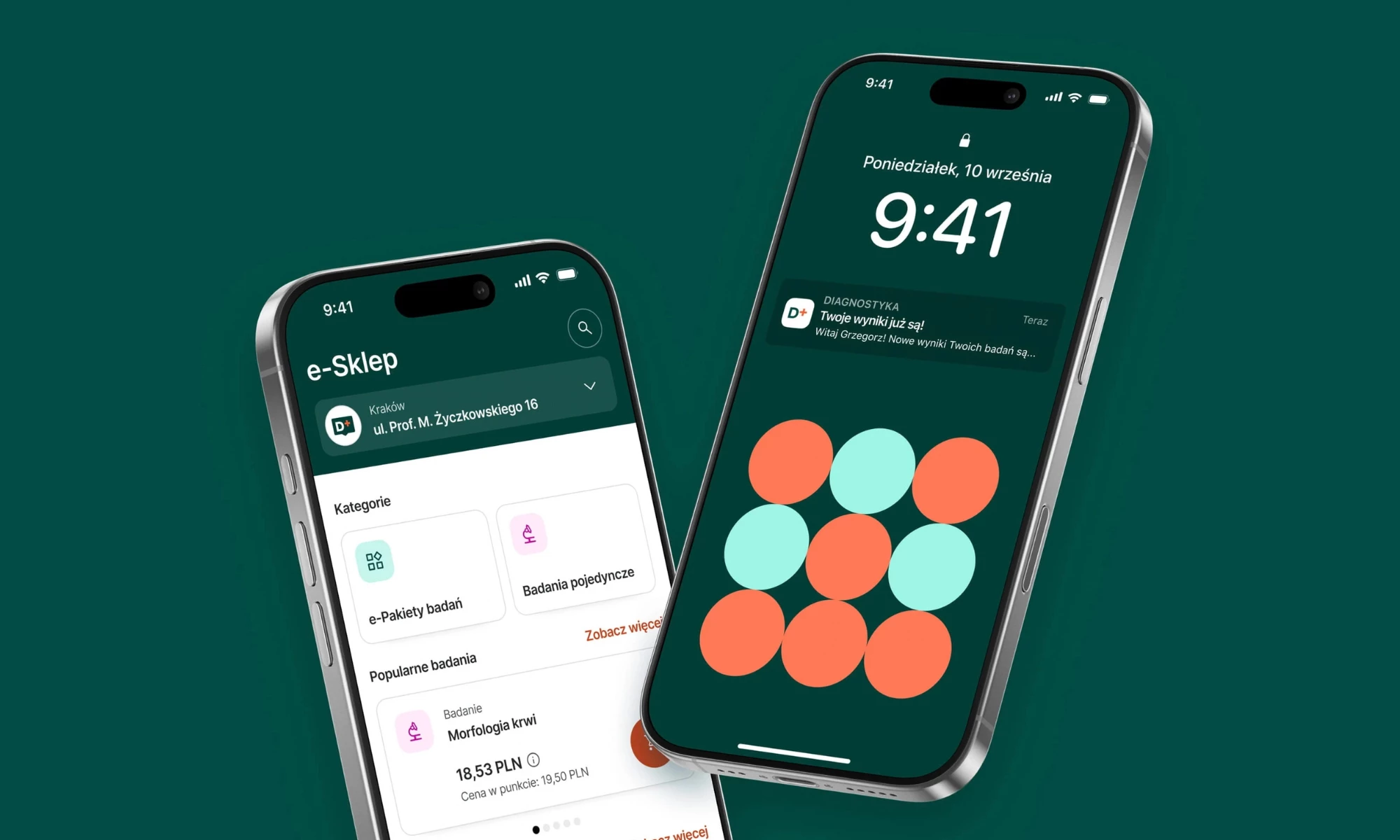
Several purposeful design choices made by the two teams helped reinforce user trust:
- LiDia is assistive, not authoritative. The AI healthcare assistant supports organization and understanding without positioning itself as a medical authority, preserving clear boundaries between guidance and diagnosis.
- Clear, fact-based explanations. Recommendations are paired with understandable context, helping users see why actions are suggested rather than asking them to accept opaque outputs.
- Gamification with purpose. Profilaktometr uses progress tracking to motivate preventive behavior, avoiding pressure or fear-based incentives common in health tools.
"When designing the app, we consistently put the users at the center. User testing and in-depth interviews allowed us to identify areas worth improving and transform them into intuitive solutions,” said Agata Jureczko, UX/UI Designer at Miquido.
“Working shoulder to shoulder with Diagnostyka, we built a solution that reflects patient needs and modern design standards, while demonstrating how much can be achieved when two teams operate as one."
At the same time, the teams understood that having a UX/UI design that inspired trust wasn’t enough to ease user mistrust.
That’s why Miquido and Diagnostyka invested in technology foundations that support reliability and compliance, specifically:
- Flutter-based development to ensure consistent performance and maintainability across devices.
- Enterprise-grade security and EU regulatory compliance to protect sensitive health data and align with regulatory expectations.
- Google Cloud Platform and Vertex AI infrastructure to provide scalability while maintaining strict data governance controls.
"The Diagnostyka app is appropriately secured. All data from tests and the content of conversations with the AI Assistant are private, and the AI models will not learn from user data,” said Jerzy Biernacki, Chief AI Officer at Miquido.
“We want users to feel encouraged to use the features available in the app without worrying about the security of their private data.”
This attention-to-detail is what differentiates LiDia from other AI assistants like ChatGPT, which was a key goal for both teams.
"Why isn't it enough to just ask ChatGPT for advice? It’s because LiDia is powered by real medical knowledge provided by the Diagnostyka team. As a result, LiDia suggests appropriate tests currently available,” explained Biernacki.
“Without the logic we implemented, an AI Assistant might suggest tests that are incompatible with one another or are no longer performed."
The metrics that followed the launch of the new app speak volumes about the effectiveness of these choices. Overall, the new app has delivered meaningful results for Diagnostyka:
- 360% increase in userbase
- Increased user satisfaction
- Improved patient motivation for follow-up checks
These results have also led to the app being nominated for the Mobile Trends Awards 2025 in Kraków, under two categories:
- AI in Mobile
- Sport and Health
Apply Trust-First Principles When Building with AI
The Diagnostyka app succeeds because it showcases the capabilities of its custom AI features, while making them feel understandable, supportive, and safe.
The key takeaway here for both brands and developers exploring the integration of AI is that user trust is earned through deliberate product decisions.
Teams looking to adopt a similar trust-by-design approach like Miquido and Diagnostyka should prioritize the following philosophies:
Design for clarity, not mystery
AI earns trust when users understand its role.
Clear explanations of what an AI feature does, how it reaches recommendations, and where its limits lie help users stay oriented and informed.
When users know why a suggestion appears and what action it supports, they are more likely to engage thoughtfully instead of defaulting to blind acceptance or outright rejection.
Keep humans in the loop
Clear boundaries between automation and human authority reinforce accountability and preserve confidence.
This is especially true in situations that involve health, safety, or long-term consequences.
AI performs best as a guide that offers options, highlights patterns, and reduces cognitive load.
Final decisions should remain with users or professionals, with technology enhancing judgment over time.
Build compliance into infrastructure
Privacy safeguards, data governance, and security controls need to be embedded at the architectural level, shaping how systems are built and scaled.
Designing with compliance in mind also creates flexibility.
As governments navigate the implications of widespread AI use in real time, regulations will continue to evolve.
As such, AI-powered platforms must be ready to adapt at a moment’s notice.
And it’s the systems built on strong foundations that adapt more easily and readily.
Make Trust the Feature That Scales Everything Else
Although the Diagnostyka app sits squarely within the healthcare industry, the lessons from Diagnostyka and Miquido’s success extend beyond healthcare.
Teams building AI-powered products need to design for user confidence as deliberately as they design for performance, scalability, or speed.
In markets where public concern over the use of AI remains high, credibility and trust should be seen as the vital growth levers they are, rather than a constraint
After all, when trust is lacking, even the smartest, most advanced technology struggles to convince anyone to use it.