
Minecraft players have spent years abandoning perfectly good dirt blocks because their inventory ran out of room, and Herschel Supply is fixing it.
The two brands launched a collaboration that spans both the Overworld and the real world.
At the center of it is the Herschel Backpack Trials, a free add-on now available on Minecraft Marketplace for Bedrock Edition players.
The add-on gives players a wearable in-game backpack that starts with 24 inventory slots.
And through a series of in-game challenges, players can upgrade it all the way up to 288 slots.
View this post on Instagram
Notably, it'll be capable of holding 442,368 stacked items, compared to the roughly 65,668 a standard inventory allows.
The in-game experience is rooted in progression. When players first equip the backpack, it's intentionally limited.
However, completing trials that involve collecting and storing specific blocks and items unlocks the 24 additional slots per challenge.
The system rewards solo players and encourages multiplayer modes.
Completing trials with friends speeds up the process and upgrades everyone's backpack simultaneously.
View this post on Instagram
Once fully upgraded, the backpack does more than store items.
It can automatically sort, deposit, repair, and smelt items on the go, removing some of Minecraft's more tedious inventory management tasks.
The Collection Spans All Three Realms
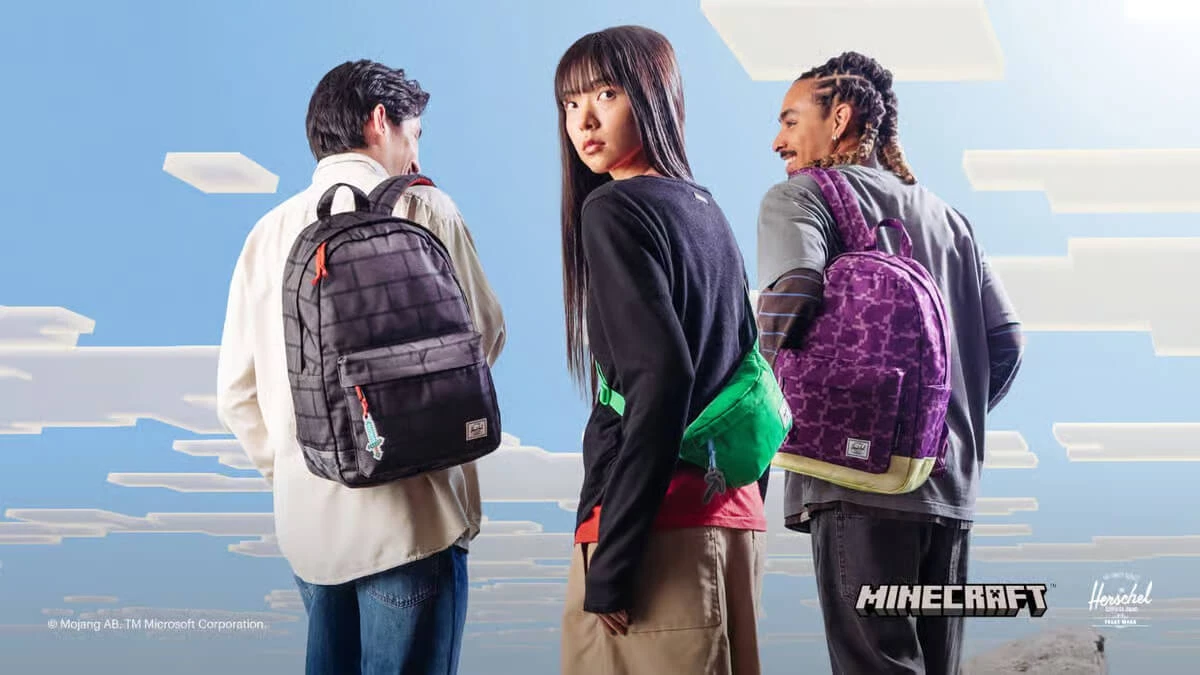
Alongside the add-on, Herschel launched a physical collection of more than 30 products inspired by Minecraft's three dimensions.
The adult range draws from the Overworld, the Nether, and the End, while a junior line features recognizable mobs like the Creeper and Enderman.
Products include backpacks, hip packs, beanies, caps, pencil cases, and lunchboxes.
The standout item is the Minecraft Herschel Little America Cube Backpack in Orange Block.
It's a limited-edition piece that Herschel is also giving away in a sweepstakes.
View this post on Instagram
Splitting the line into adult and junior ranges lets Herschel sell to the kid playing Minecraft and the parent who grew up on it.
This dual reach is what makes brand partnerships work, one piece of IP opening two buyer segments at once.
All items will be available through Herschel's online shop and select retail partners worldwide.
Gaming IP Becomes Shelf Space
Gaming IP is becoming serious real estate for consumer goods.
This is because they have access to players who already have strong emotional connections to in-game objects and aesthetics.
Adidas did something similar with Supercell's Brawl Stars, launching character-inspired Samba and Superstar sneakers alongside an in-game event.
View this post on Instagram
Fashion and gaming tie-ins have grown more common as publishers recognize that their visual universes translate well to physical product design.
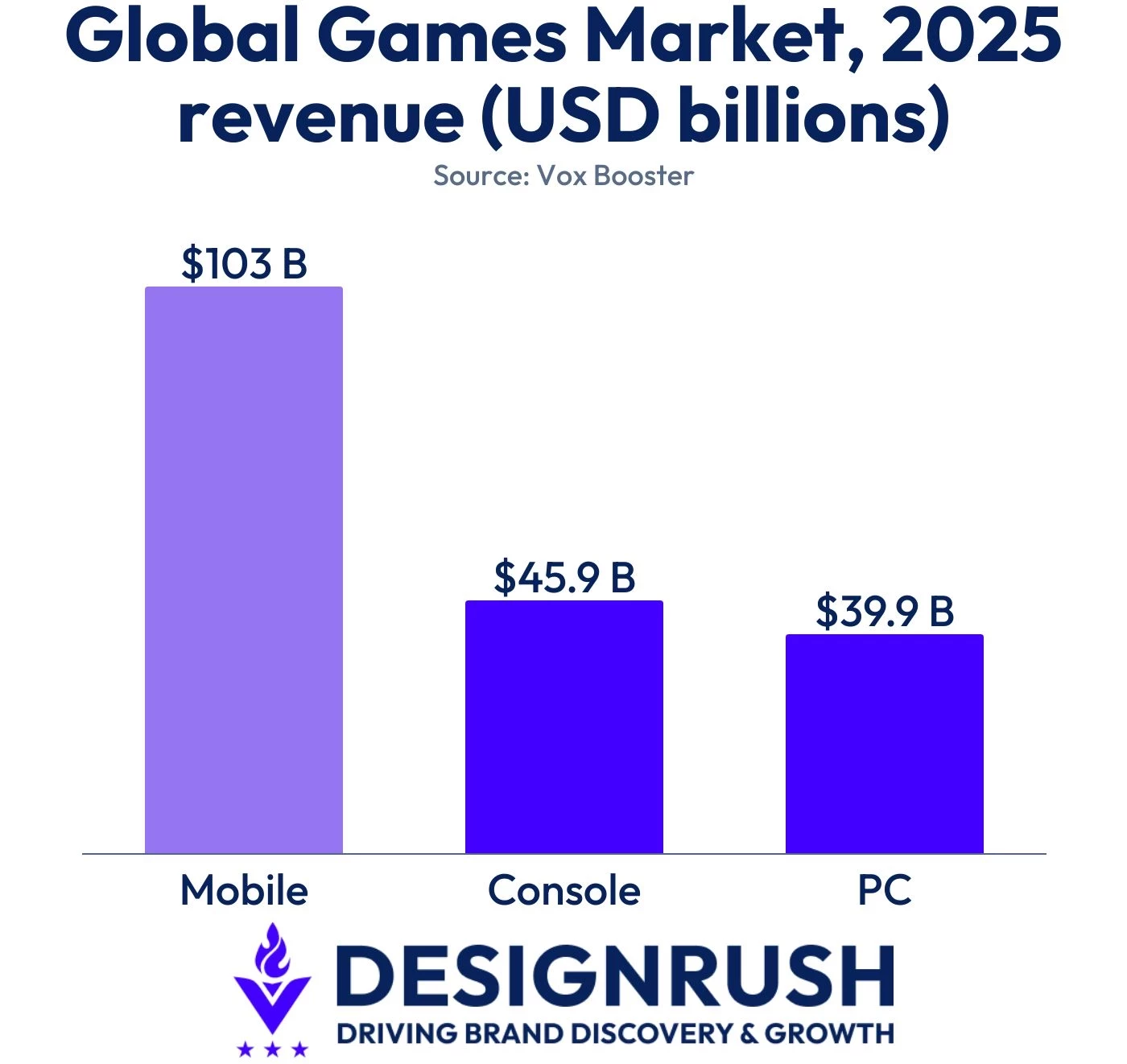
A 2025 Vox Booster report found mobile game downloads fell 7.2% while revenue and playtime held steady.
This figure is a sign that the market has matured, and existing players now matter more than new installs.
Merchandise, licensing, and physical activations are how publishers wring more value from the audience they already have.
Minecraft, well past its growth phase and sitting on some of the most recognized IP anywhere, is built for exactly this.
Here are some takeaways marketers can learn from this partnership:
- In-game utility creates brand attachment: Marketers should look for ways to make branded in-game items genuinely useful, so players associate the brand with a positive gameplay experience.
- Progression mechanics extend engagement: Brands should design collaborative features that require players to return over time, increasing total exposure without requiring additional paid media.
- Physical and digital collections should work hand in hand: The stronger the design continuity between in-game assets and real-world products, the more natural the path from digital interest to a retail purchase.
Overall, the mechanics of the Herschel deal create a loop between the digital and physical.
As players interact with the in-game backpack, they build familiarity with the brand through gameplay.
This familiarity ideally surfaces when a parent or kid is standing in a store looking at the physical collection.
Our Take: Does Playing Make You More Likely to Buy From a Brand?
Herschel put their product in the player's hands for hours, across dozens of sessions, in a context where it actually solves a real problem.
We'd argue this collab is closer to a product trial than an ad.
The question nobody in the industry is asking loudly enough is whether extended in-game use can translate to purchase intent for the physical version.
Kids who max out the Herschel backpack in Minecraft and then see it in a store aren't just seeing a brand.
They're seeing something they already spent time with, something that felt useful, and can also be useful in their everyday lives.
Looking to turn fan communities into retail demand?
Explore these top experiential marketing agencies that create campaigns spanning digital and real-world engagement.