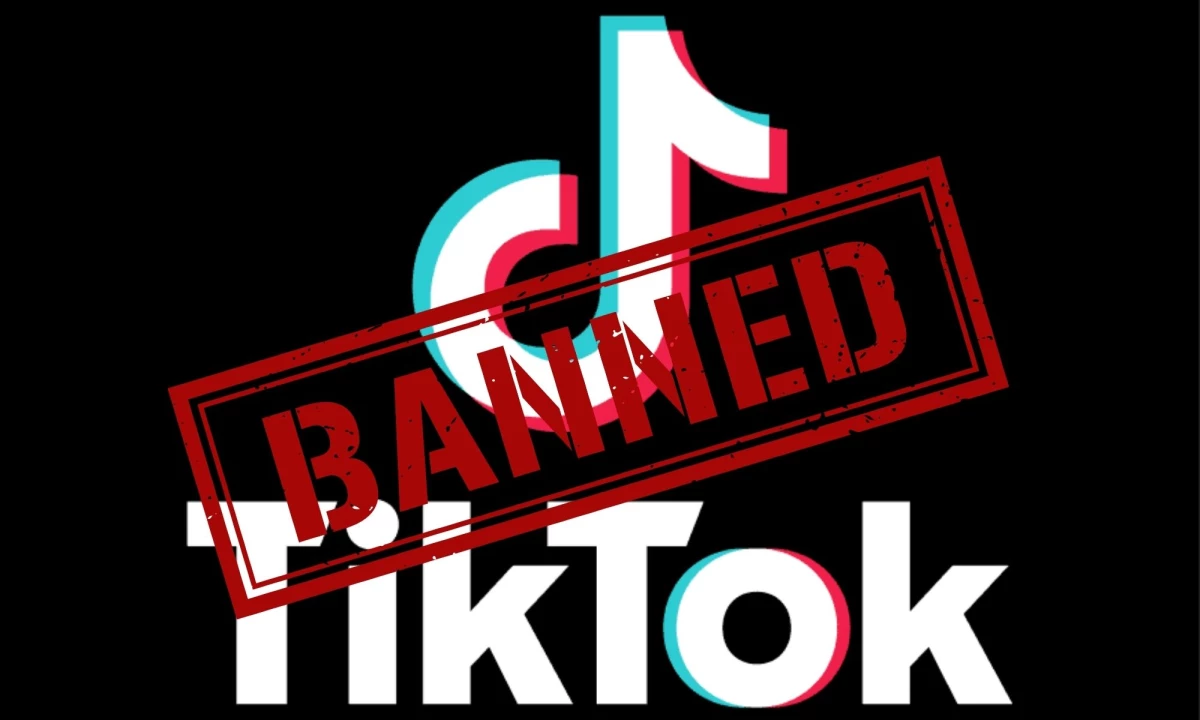

TikTok is selling advertisers access to audiences off-app, but Meta has now blocked TikTok's ads across its platforms in seven countries.
According to Bloomberg, Meta began enforcing the ban on October 8.
The move came just three days after TikTok opened its global ad network to U.S. buyers at Advertising Week New York.
Meta has not tied the two together, and spokesperson Chris Sgro said the company will not promote a rival trying to pull people off its apps.
The restrictions cover Facebook, Instagram, and Meta's other apps in the U.S., Canada, Egypt, Indonesia, Japan, Thailand, and Vietnam.
They also affect third-party advertisers running campaigns that link to TikTok and other ByteDance properties in these markets.
Sgro also cited ByteDance's long-running limits on linking out to Facebook and Instagram.
Meta is now running the same play in reverse, deciding where the reach it sells is allowed to land.
Advertisers are buying permission, and any social media marketing plan routing traffic to a rival depends on a policy it doesn't control.
TikTok's Ad Network Competes for Off-Platform Spend
TikTok announced the U.S. expansion of TikTok Ad Network on October 5.
The product, previously known as Pangle, lets advertisers extend campaigns across third-party apps through TikTok's advertising tools.
The U.S. is the network's 48th market, so TikTok opened inventory it already ran abroad to American buyers under a new name.
The company says its network spans nearly 400,000 apps worldwide and over one billion daily active users.
Advertisers can use TikTok's tools to reach audiences across participating apps, with delivery managed through its advertising system.
Meta offers comparable off-platform advertising through Audience Network, which places ads inside third-party mobile apps.
The overlap creates a commercial point of comparison between the companies, though Meta has not said that product competition prompted its ban.
The restrictions also reach advertisers outside ByteDance.
A brand or ad agency running a campaign that links to TikTok in an affected market could face limits even when ByteDance is not buying directly.
ByteDance kept a 19.9% stake when TikTok's U.S. business was restructured in January, and TikTok's global business still handles advertising.
Media buying teams now have to audit destination URLs with the same discipline they apply to creative.
$640B Social Media Ad Revenue Puts Meta's Ban in Context
U.S. social media ad revenue reached $117.7 billion in 2025, up 32.6% year over year, according to the IAB and PwC.
Omdia's Market Landscape 2026 projects revenue to reach $640 billion globally by 2030.
Meta also reported $196.2 billion in advertising revenue in 2025, up 22% from 2024.
A handful of sellers hold most of this money, so one policy change can reprice an entire digital advertising budget.
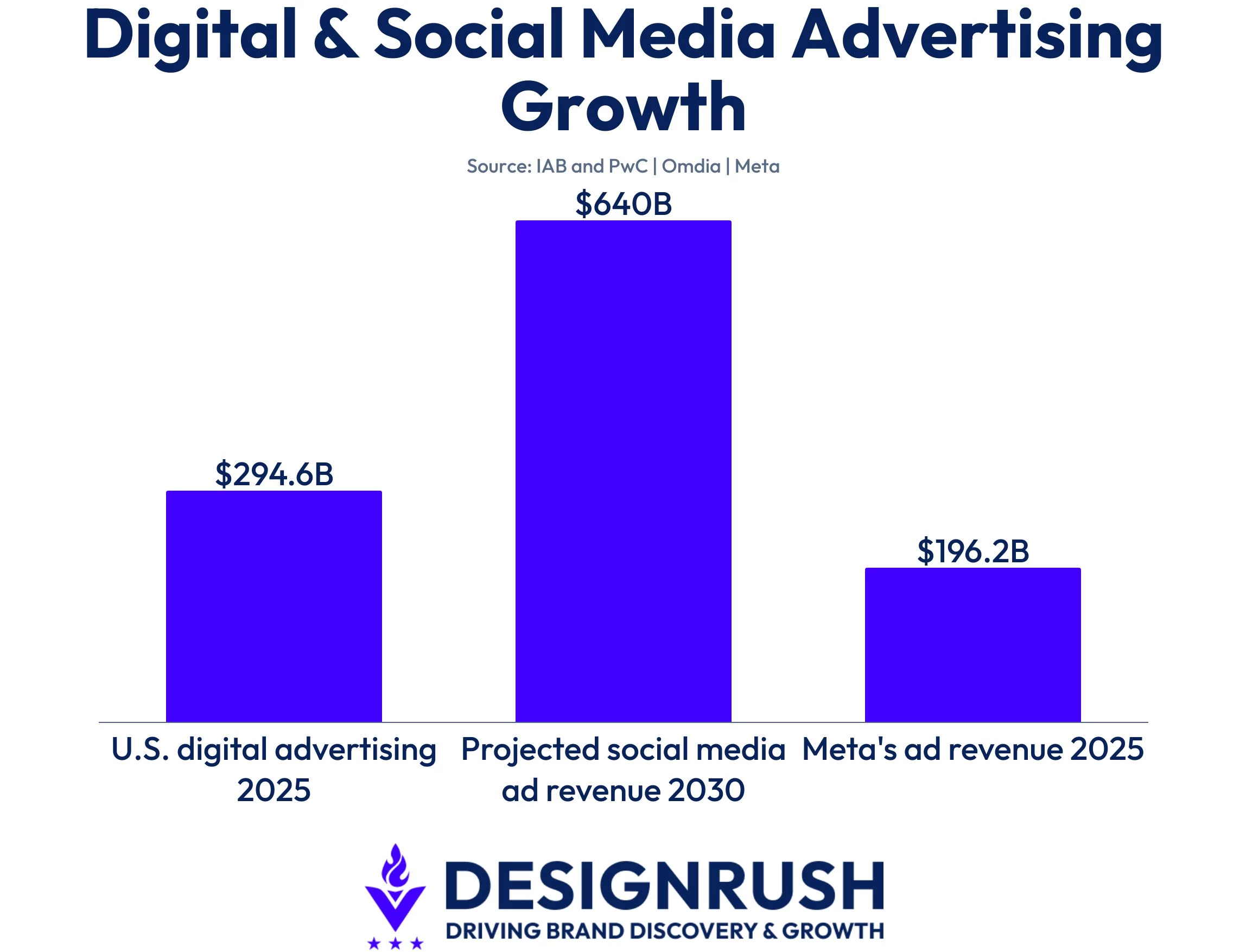
Two platform decisions in one week gave media teams a working checklist for buying off-platform inventory.
- Growing formats attract more ad investment. Advertisers should compare inventory and pricing across platforms before moving budget into a newer format.
- Reach and results move on separate tracks. Media teams should compare incremental reach and conversion costs to allocate budgets based on performance.
- Platform concentration creates operational risk. Agencies should maintain alternative placements to protect campaign delivery when platform policies change.
The companies setting these rules change them without notice, which makes a documented backup plan part of any paid media strategy.
Our Take: Can Advertisers Trust Platform-Owned Ad Networks?
Every platform-owned ad network grades its own homework, and TikTok Ad Network is no exception.
We'd put the trust ceiling at whatever third-party verification covers, which here means post-bid checks from DoubleVerify and Integral Ad Science.
Post-bid tells you where the money went after it's already gone, so a bad placement gets paid for before anyone catches it.
The reports still earn their keep, since they show which apps to block before the next flight.
Google has let advertisers blocklist Display Network for over a decade, and agencies still publish junk-app exclusion lists every year.
Meta just proved the other half of the problem, since the company selling you reach also decides where your traffic is allowed to land.
Our advice to brands and agencies is a hard spending ceiling on off-app inventory until outside incrementality data holds up.
Need help planning campaigns across social platforms and third-party inventory?
Explore these top digital advertising agencies in the DesignRush directory.