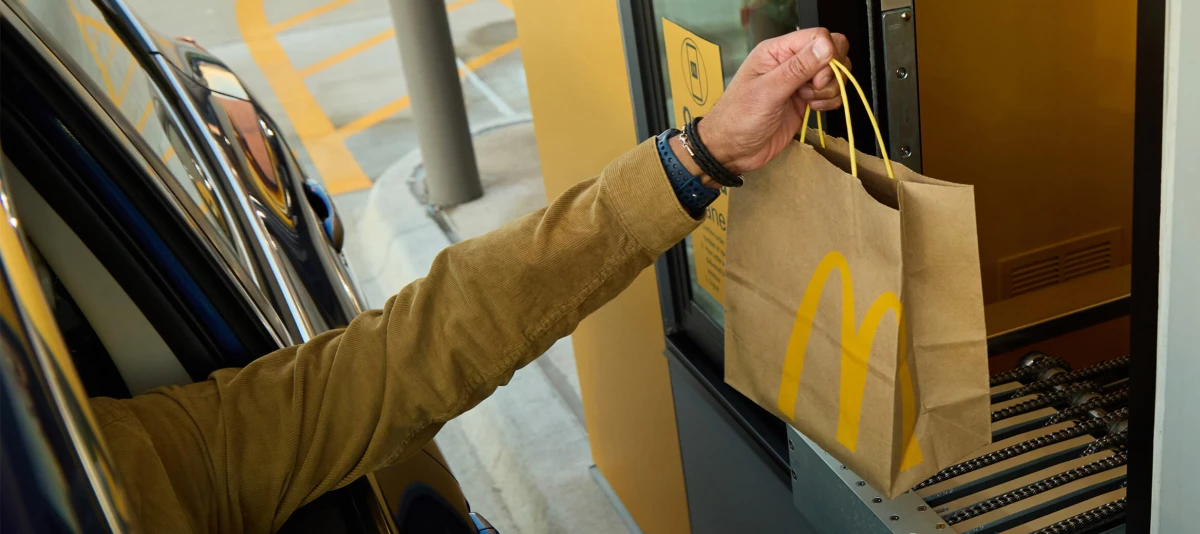

McDonald's is betting that its second attempt at AI ordering will succeed where the first fell short.
The fast-food chain is testing ArchIQ, a Google-powered drive-thru voice assistant currently operating in five U.S. restaurants.
Nicknamed "Archy," it has already processed more than 1 million transactions, according to franchisee reports.
The technology sits at the center of McDonald's > NEXT, a new growth strategy unveiled at the company's Worldwide Convention in Las Vegas last week.
In addition to faster ordering, the plan focuses on food quality, hospitality, operational efficiency, and restaurant modernization.
The move comes after McDonald's ended a three-year AI ordering partnership with IBM in 2024 after well-publicized ordering errors.
Now McDonald's is trying again, this time with stronger AI models and a strategy that treats automation as a core part of how restaurants operate
"As more of the customer journey becomes automated, there are fewer opportunities for guests to connect with crew.
With fewer interactions, the bar for hospitality that makes people feel seen, welcomed, and valued only goes up," McDonald's CEO Chris Kempczinski said while introducing the strategy.
If successful, automation could help the chain solve one of the industry's toughest challenges while supporting the effort to become customers' first choice "every time."
The Second Attempt
ArchIQ serves as a restaurant operations assistant, helping managers identify bottlenecks and improve day-to-day performance.
A demonstration video shows the AI taking orders in both English and Spanish.
According to @McFranchisee, a popular X account run by an anonymous franchise owner, roughly 90% of orders were completed without human intervention.
The McDonald's > NEXT strategy reflects growing pressure on restaurant brands to improve convenience, consistency, and value.
The company is investing in menu upgrades, restaurant design improvements, and hospitality standards as customer expectations continue to change.
"McDonald's > NEXT is how we'll unlock our next phase of growth and productivity, by bringing in more customers more often and improving unit economics," Kempczinski explained.
The difference this time is that AI is positioned as part of a larger operational strategy, not an isolated voice ordering test the way the IBM experiment was.
Automation Raises the Stakes for Hospitality
McDonald's > NEXT recognizes that as more customer interactions become automated, the value of every human interaction increases.
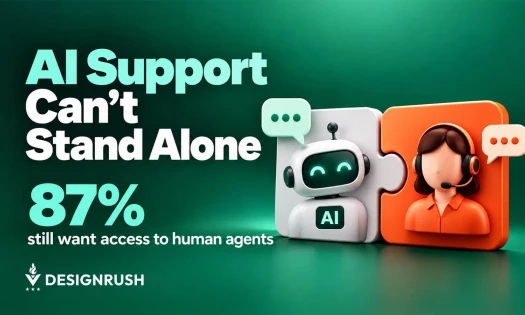
A 2024 Five9 survey found 75% of consumers still prefer speaking with a human for customer service.
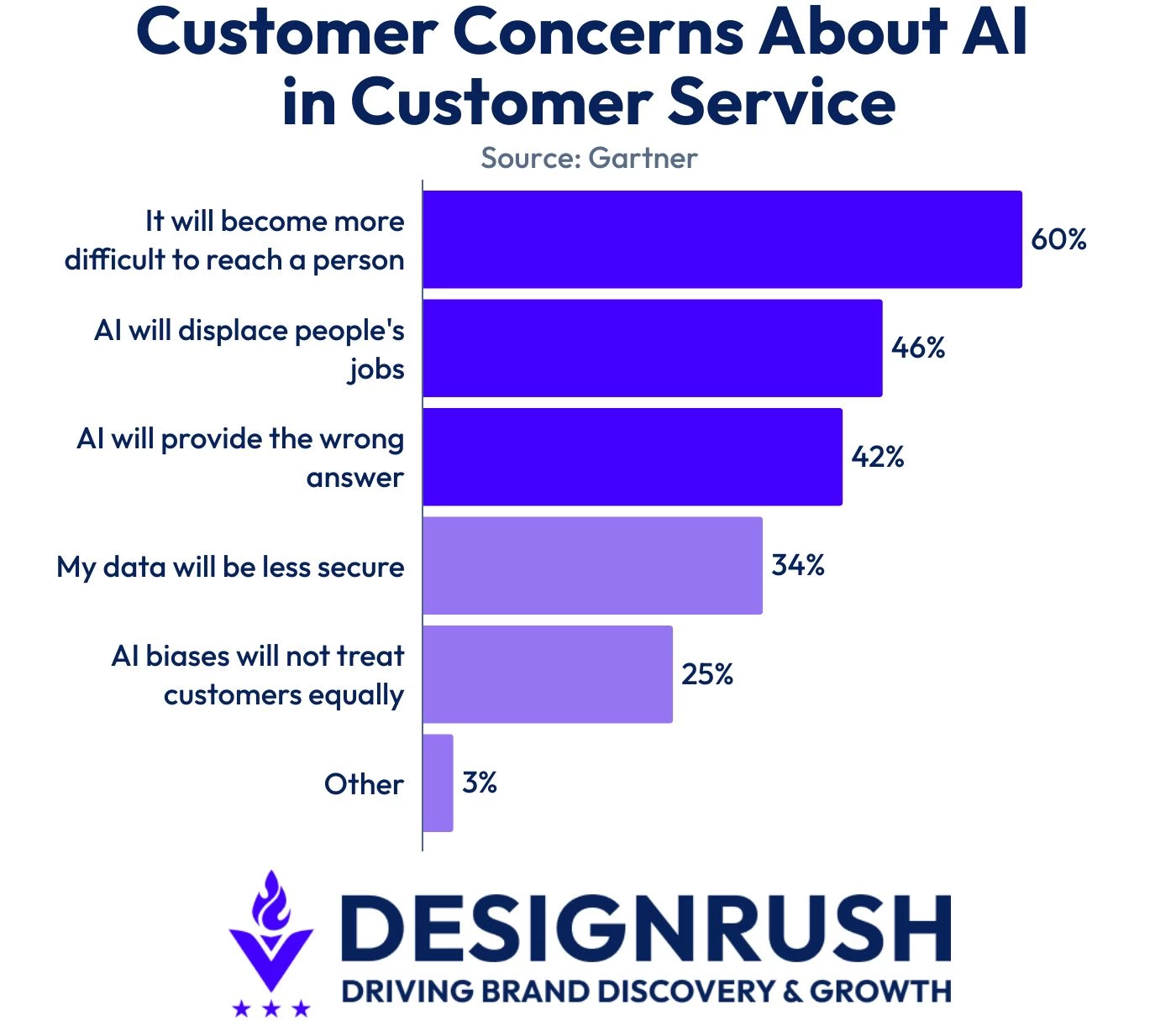
Meanwhile, Gartner reported that many customers become frustrated when companies make automated channels difficult to escape.
Early reactions to ArchIQ show just how tricky it is to pursue faster, automated service while also trying to strengthen hospitality.
While some consumers welcome shorter wait times, others view AI ordering as another step away from the human interactions that define restaurant service.
Several commenters questioned whether customers want more automation at all, arguing that convenience should not come at the expense of human connection.
This puts Archy at the center of one of the biggest tests facing McDonald's > NEXT.
The strategy raises hospitality standards while AI reduces customer interactions handled by crew members, making each remaining human touchpoint more important.
Comment
by u/Plastic_Ninja_9014 from discussion
in technology
For marketers and brands, AI ordering creates a practical balancing act:
- Convenience becomes a baseline expectation. Brands should reduce friction to protect customer satisfaction and repeat visits.
- Automation changes how customers evaluate service. Companies should invest in hospitality training to make human interactions more memorable.
- Trust determines AI adoption. Businesses should prove reliability before expanding customer-facing automation to avoid resistance.
As AI handles routine tasks, competitive advantage may depend more on how brands preserve and improve the human connection around it.
Our Take: Can Hospitality Survive More Automation?
We think yes, and McDonald's is making a smarter structural move this time.
The IBM experiment put voice AI in front of customers before the underlying infrastructure was ready.
According to franchisee reports, Google Edge Cloud hardware is already being installed across U.S. restaurants ahead of any wider rollout.
This suggests McDonald's is committing to AI as an operating system upgrade.
The brands that get automation right are the ones where the technology disappears into the experience.
If Archy gets the order right nine times out of 10 and crew members are freed up to focus on issues that actually need a human, customers won't think about the AI at all.
The real risk is the tenth order, because one viral mistake resets the trust conversation.
We'd say that the 90% completion rate is promising, but the remaining 10% is where the brand story gets written.
Restaurant brands exploring AI ordering and automation need more than a pilot program.
These Top AI Automation Companies can help identify where automation improves operations without weakening customer experience.