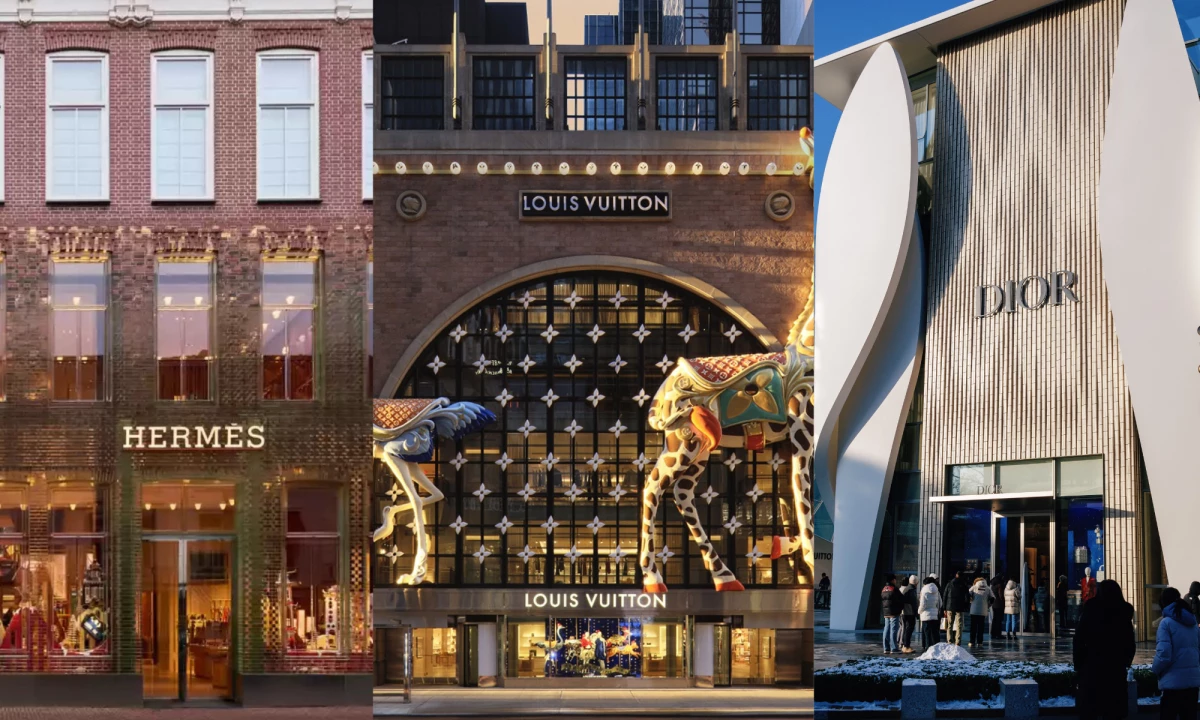

Europe's 10 biggest luxury companies have lost roughly $350 billion in combined market value since January.
Rising prices and weaker demand are putting pressure on luxury brands that have long relied on prestige to drive sales.
LVMH, which owns Louis Vuitton and Dior, posted a 5% organic sales decline in its fashion and leather goods division in the third quarter.
Organic sales exclude currency fluctuations and acquisitions, giving investors a better view of changes in underlying demand.
Weak spending in China is also contributing to a wider slowdown across the luxury market.
Bain & Company, a global management consulting firm, publishes research on the luxury goods market.
Its latest study reports that steep price increases have pushed aspirational shoppers out of the category.
The slump highlights the limits of brand prestige when customers no longer believe a product justifies its price.
Here, we'll break down what drove the drop and what marketing teams can learn from it.
LVMH Led a Sector-Wide Selloff
LVMH shares have fallen more than 40% this year, the steepest drop among Europe's major luxury groups.
Louis Vuitton's brand value had already started falling in Kantar's April ranking, months before LVMH's share price followed.
The combined value of Dior owner LVMH, Hermès, Kering, and Richemont (Europe's four largest luxury groups) has nearly halved since around 2024.
Richemont, the group behind Cartier and other high-end watch and jewelry brands, has done the best job of holding up.
Jewelry is also holding up inside LVMH, where the watches and jewelry division posted 8% organic growth over nine months.
China, once a major driver of global luxury spending growth, has become a weaker source of growth as consumers face a tougher economic climate.
The drop in LVMH's fashion and leather goods division missed analyst forecasts of roughly 2%, even as group organic sales grew 1%.
A Chinese court ruled in June that tea chain Molly Tea's flower logo infringed seven Louis Vuitton trademarks.
Quartz reported that the public backlash over the ruling hurt Louis Vuitton's performance in China.
LVMH CFO Cécile Cabanis also pointed to a one-off logistics disruption that cost Louis Vuitton more than one percentage point of growth.
High-profile trademark cases can become public relations issues as well as legal disputes.
Brand and legal teams should prepare a communications plan for any trademark case that draws public attention.
Brands Cut Hero-Bag Launches by Up to 80%
Luxury brands rely on both their wealthiest customers and aspirational shoppers, who save for designer products as special purchases or symbols of status.
Bain found that prices on like-for-like iconic bags rose between 50% and 70% from 2019 to 2025.
Leather goods sales declined an estimated 5% to 7% in 2025, and Bain links the drop to shoppers who see the prices as out of step with the value.
The firm also counted 70% to 80% fewer hero-bag launches from 2023 to 2025 than in the period from 2016 to 2019.
Hero bags are a brand's best-known handbag styles, and are responsible for helping define its identity and encourage repeat purchases.
The luxury industry lost about 20 million customers in 2025, leaving a global active base of roughly 330 million, down from 400 million in 2022.
Top customers, who spend more than €20,000 a year, now account for a little more than 46% of luxury goods spending, up from 30% in 2019.
With its biggest spenders driving nearly half of sales, the industry has a strong incentive to invest in personalized service and customer retention.
Shoppers Turn to Resale and Discounts
As new luxury goods become more expensive, some shoppers are looking for other ways to buy premium products.
Secondhand luxury sales grew to an estimated €50 billion in 2025, rising 4% to 6%.
Half of luxury shoppers now check the resale market before buying new, according to Bain's spring 2026 update.
Discounted sales now make up 35% to 40% of industry revenue.
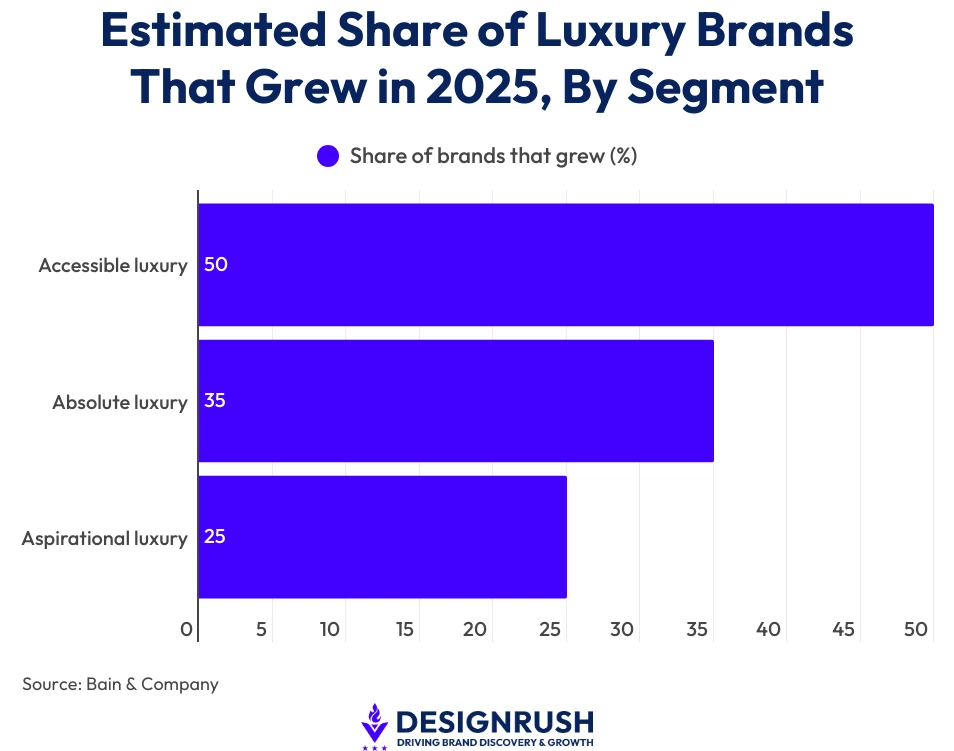
Accessible luxury brands were the most likely to grow in 2025 as consumers became more selective about price.
Bain defines accessible luxury as entry-to-luxury brands that target upper-middle-class shoppers.
The report groups luxury brands by price and exclusivity, from entry-level premium labels to the industry’s most exclusive names.
Bain also found that Gen Z shoppers judge brands on cultural relevance.
In stores, 70% of consumers are dissatisfied with their experience, and nine in 10 feel the customer experience across luxury brands is too similar.
When service feels the same across brands, distinctive products and memorable experiences are what give shoppers reasons to choose.
Marketing teams facing price pushback can prepare now, and these are a few steps to start with:
- Show customers what justifies the price: Explain materials, craftsmanship, product longevity and aftercare on product pages, using specific details to support the premium.
- Build a branded resale program: Offer authenticated secondhand products or trade-ins with store credit to reach budget-conscious shoppers and encourage repeat purchases.
- Match product offers to customer needs: Review how entry-level products, signature items and exclusive services serve different customer groups before introducing further price increases.
Together, these steps help brands demonstrate product value, retain customers, and make better-informed pricing decisions.
Our Take: Can Luxury Brands Still Justify Their Prices?
Hermès overtook Louis Vuitton in Kantar's France ranking this year, after Louis Vuitton's brand value fell by $24.5 billion to $87.5 billion.
We believe luxury houses can still defend a premium, as long as shoppers can see what the extra money buys.
Louis Vuitton has put real effort into guarding its logo, filing nearly 1,700 trademark lawsuits in China over five years, according to IIPLA.
The Molly Tea backlash showed how this kind of protection can cost goodwill in the market Louis Vuitton needs most.
U.S. consumer prices rose about 26% from 2019 to 2025, squeezing aspirational shoppers while bag prices climbed at least twice as fast.
Industry operating margins have already fallen to 15% to 16% from 21% in 2022, so another round of price hikes looks risky.
Luxury has always been priced for a small group of buyers, so a price cut would mainly reward the top clients who already pay in full.
Bain found that brands saw stronger consumer engagement after changing creative directors, which points to fresh product ideas as the faster fix.
We expect the houses that freeze price hikes and refresh their hero products first to win back the aspirational shoppers who left.
Luxury and premium brands facing price pushback need agencies that can sharpen their value story.
Take a look at these top luxury branding agencies in our directory.