
Lenovo's Copilot+ Push: Key Findings
- "A Love Letter to NYC" highlights three creators using AI PCs differently, emphasizing real workflows over polished outputs or specs.
- The social-first rollout spans TikTok and Instagram, with OOH placements and retail integrations ensuring visibility across purchase moments.
- It positions AI as a background tool within creative processes, pushing Lenovo’s creator-led direction.
Lenovo is turning the bustling city of New York into a product demo.
In partnership with Copilot+, the tech giant is rolling out "A Love Letter to NYC."
It's a creator-led campaign built to drive brand awareness and consideration for its Gen 11 AI PCs.
Developed with creative agency Sounds Fun, the work shines the spotlight on the everyday moments when ideas actually take shape.
The campaign follows three New York–based creators:
- Brooklyn-based filmmaker and animator Bree
- Bronx Girl Skate co-founder Mel Ramirez
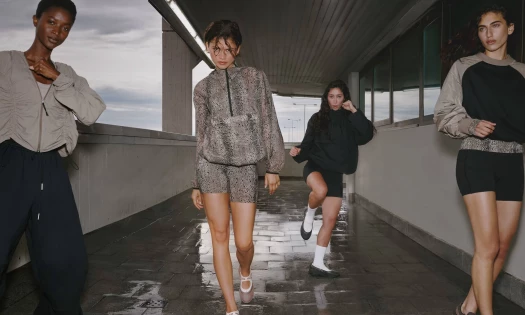
- Manhattan fashion designer Cameron Hughes
Each represents a different type of creative workflow, but the structure is consistent.
The laptop opens, and the environment takes over, and the films focus on the process.
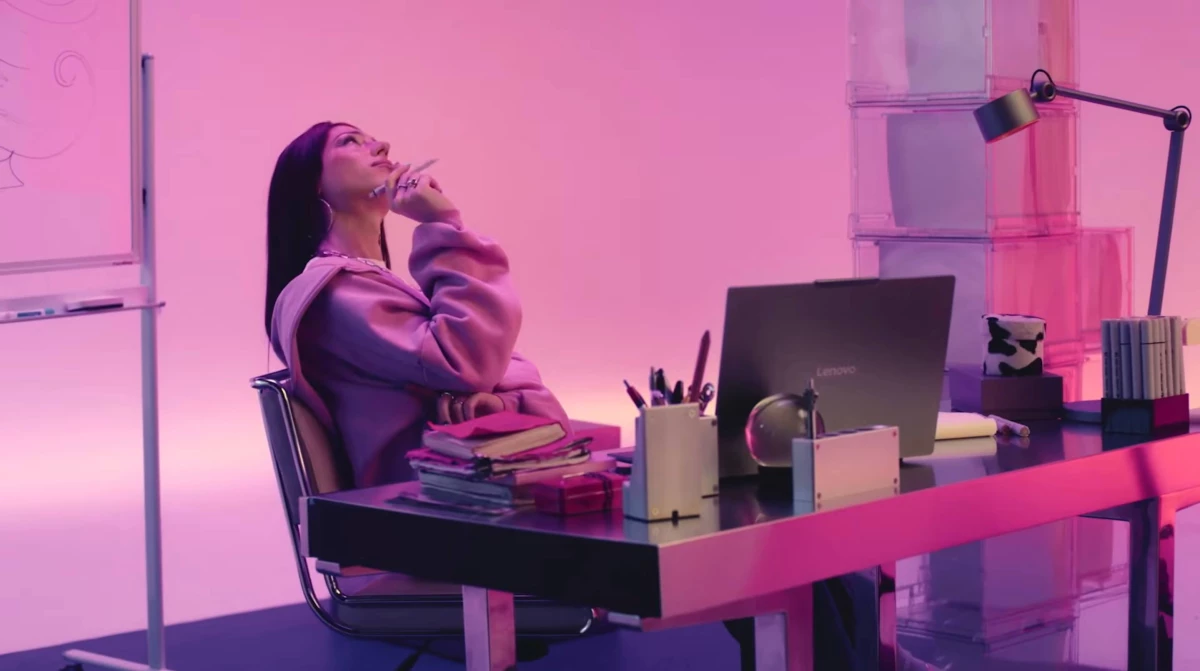
Bree uses AI tools to generate textures and clean up visuals.
Meanwhile, Ramirez leans on the laptop for operational decisions, including scouting locations for expansion.
Finally, Hughes uses coding assistance to free up time for design.
"The role of technology here isn’t to lead, it’s to respond, adapt, and to keep pace with the way young creatives actually think and move," Martin Magner, chief creative officer at Sounds Fun, said in a press release.
"This campaign is really about celebrating the mess of making," he added.
Lenovo echoes this positioning.
"With ‘A Love Letter to NYC,' we wanted to meet young creatives where inspiration actually happens, and show how Copilot+ can be part of that process," Lex Finch of Lenovo shared.
Overall, Lenovo skips touting AI as a breakthrough moment and instead treats it as something embedded within the creative rhythm.
Inside the Workflow
Each 30-second spot uses a scrapbook-style visual structure, with clips layered over each other, mimicking how ideas form in fragments.
Glimpses of sidewalks, skate spots, and skyline details are then interwoven with on-screen actions from the devices.
Viewers are placed inside the creators’ heads to be witnesses to their creative process, all supported by Lenovo's Yoga Pro 9i Copilot+ PC.
The campaign runs as a social-first rollout across Instagram and TikTok, supported by OOH placements across New York, including LinkNYC, Penn Station, and Madison Square Garden.
Additionally, retail integrations with B&H and Lenovo-owned channels will move the campaign into purchase environments.
The rollout also ties into Lenovo's "Made With" platform, prioritizing creator-first storytelling in the long-term.
Lastly, a fourth creator, Daniel Macadangdang, will be introduced alongside the upcoming Lenovo Pro device, lengthening its initial launch window.
This kind of rollout shows how creative marketing can connect product, platform, and creator into a single system that carries the campaign from inspiration to purchase.
Lenovo’s Creator-Led AI Push
Brands often have to circle around or directly address AI fatigue.
But here, Lenovo is offering an example of how to make emerging tech feel usable and relevant:
- Position technology within real workflows. Showing how tools fit into everyday use makes them easier to understand and trust.
- Influencer content holds attention 2.2× longer than branded content. This makes creators more effective in demonstrating product utility.
- Extend campaigns across multiple touchpoints. Consistent presence across physical, retail, and digital spaces strengthens recall and visibility.
Long-term impact will depend on whether this utility translates into everyday use, where initial interest is converted into sustained value.
Our Take: Can AI Stay In the Background?
Most AI campaigns try to impress you, but this one just sits next to you while you work.
Lenovo trusts the audience to connect the dots through behavior, not features. This is harder to pull off, but when it works, it feels real.
If Lenovo keeps tying its devices to actual creative habits, it has a shot at owning this space.
We think that consumers are more likely to take this over another "future of AI" monologue any day.
Meanwhile, Yahoo Mail is using star power to launch a new AI feature with Cardi B.
Brands introducing new technology often rely on creative partners who can translate technical features into clear, engaging stories.
Explore these top creative agencies to help bring product innovations to life.