
Johnston & Murphy x Westminster Dog Show: Key Findings
- The brand debuted "Best in Shoe" at the famous dog show, pairing each competition group with a signature style.
- Limited-run “Shew Toys” modeled after real shoes extend its sponsorship into a playful, dog-friendly product.
- Parent company Genesco reported a 9% rise in comparable sales for Q4 2025, giving the 175-year-old footwear label room to experiment on a national stage.
Johnston & Murphy showed up at Madison Square Garden with polished leather on the floor and dogs on the jumbotron.
The 150th Westminster Kennel Club Dog Show unfolded under the lights at the huge venue, with handlers circling the ring in pressed jackets and polished shoes.
The 175-year-old footwear brand was present throughout the night, visible on handlers’ feet, across arena screens, and within the broader flow of the national event.
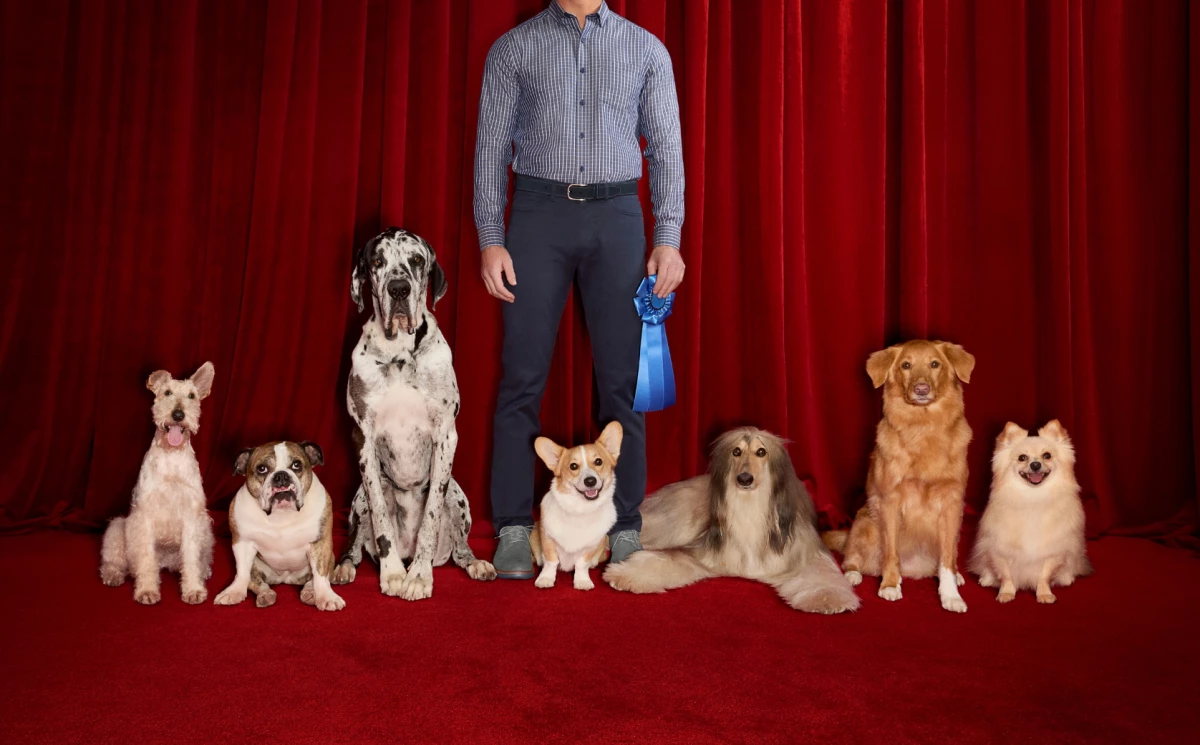
Working with Los Angeles agency Wolfgang, the brand built “Best in Shoe,” a campaign that paired dogs from all seven competition groups with Johnston & Murphy styles.
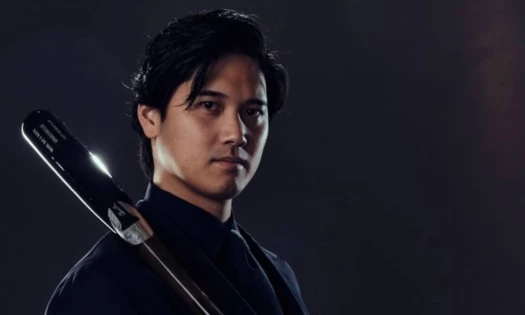
A series of portraits shot by Landon Nordeman carried a fashion editorial sensibility, appearing on the Garden’s jumbotron during the show and running on social channels.
When Penny the Doberman Pinscher claimed Best in Show, handler Andy Linton stood beside her in Johnston & Murphy shoes, folding the brand naturally into the night’s defining image.
These details quietly build brand awareness as the entire event is covered by major news channels and shared across social media.
Product in Plain Sight
The idea leaned on something dog owners already know.
Shoes rarely survive untouched when you have a dog in the house, as they're common chew targets.
So, Johnston & Murphy made a version meant to be destroyed. The limited-run "McScruffey Shew Toys," modeled after the brand's McGuffey design, debuted during the event.
An Instagram contest was also held to celebrate the brand's sponsorship of the dog show, with the chewable shoe as the main prize.
The dog toy extended Johnston & Murphy's sponsorship into a tangible, shareable object that linked audience behavior and brand identity.
Overall, the campaign rolled out through photography, short-form video, and a sizzle film capturing the activation on the ground.
Judges and handlers wore the brand across the two-day event. The footwear was always part of the picture without announcing itself as the headline.
And pairing polished leather with equally polished judges and handlers just makes sense.
The real footwear, along with the chewable versions, will likely be remembered because they were worn and seen throughout the show.
This gives the sponsorship a longer life span, carried forward through word of mouth and recommendations from people who actually wore the shoes.
Parent company Genesco disclosed that comparable sales rose 9% for the fourth quarter-to-date period ending Dec. 27. The Johnston & Murphy Group posted a 1% gain.
However, Genesco’s market capitalization has contracted sharply from more than $1.8 billion in 2014 to just a little over $300 million this year.
This reflects years of modest revenue growth, thin operating margins, and declining capital efficiency.
For Johnston & Murphy, partnerships like this one with Westminster offer a way to reinforce brand credibility in high-visibility settings.
The effort then converts earned exposure and real-world use into incremental brand equity without relying solely on traditional retail growth.
A Place With Natural Pageantry
The Westminster Kennel Club Dog Show already has its own established brand of pageantry and runway.
The event draws a specific crowd, longtime breeders, owners, and viewers who care about presentation as much as pedigree.
Showing up in this space places the brand in front of an audience already attuned to detail, grooming, and tradition, which mirrors how Johnston & Murphy positions its own craftsmanship.
For brands considering similar cultural alignments, a few lessons stand out here:
- Match heritage with heritage. Long-standing institutions reinforce credibility when the values already overlap.
- Prioritize audience quality. A focused, culturally aligned crowd can strengthen brand perception more than broad exposure.
- Let the setting carry the narrative weight. When the environment reflects the product’s attributes, the brand doesn't need to over-explain itself.
The right partnership does more than generate impressions; it deepens brand affinity in a way that extends outside the event itself.
Our Take: Why Does This Unexpected Pairing Work?
I think it's effective because the overlap is stronger than it first appears.
The Westminster dog show revolves around presentation, grooming, discipline, and heritage. And Johnston & Murphy has built its name on these same values.
Putting polished leather on the floor of Madison Square Garden during a 150-year-old competition doesn’t feel random at all once you look at it closely.
The portraits respected the tone of the event, and the shoes were worn throughout the two days. Even the chew toy carried humor and utility that dog owners immediately understood.
The sponsorship allowed Johnston & Murphy to enter the conversation without forcing its way in.
In other news, Ring’s Super Bowl LX commercial drew heavy criticism after viewers raised privacy concerns over its pet-finder feature, prompting debates about surveillance and consumer trust.
Labels exploring cultural sponsorships often partner with agencies that understand heritage positioning and event alignment.
Browse these top fashion branding firms experienced in translating craft and identity into high-visibility moments.