-details-webp.webp)

Key Takeaways:
- Most small businesses don’t realize how vulnerable they are online until a bad review hits them.
- Managing reviews across platforms and responding quickly is key to staying competitive.
- AI-first search is coming fast, and your reputation data needs to be ready for it.
Before a bad review costs you a customer or tanks your ranking, take control of your online presence. With 99% of Americans reading reviews before buying — and 93% admitting reviews influence their decisions — your reputation isn’t optional.
Paul Gordon saw this firsthand over a decade ago while running a large point-of-sale company. As platforms like Google My Business and Yelp took off, businesses were left scrambling to keep up, with no easy way to manage it all.
So he built myPresences, a tool for businesses to manage online listings and reviews. Now integrated with over 3,000 listing sites and 200 review platforms, it’s a popular service that helps businesses take control before problems spiral.
Paul shared with DesignRush his no-nonsense strategy for managing your online reputation: what to focus on, what to avoid, and how to stay visible in an AI-first future.

Who Is Paul Gordon?
Paul Gordon is a longtime software founder behind Shortcuts Software, a leading Point of Sale company — and now, myPresences, a platform that helps businesses manage how they appear online. His goal is to help streamline how businesses navigate listings, reviews, and customer reviews online.
His inspiration to create myPresences came during his time at Shortcuts Software.
“Around 2010, I noticed that a lot of services were appearing where our customers could list online and were getting reviews,” Paul says.
“At the time, every week there was a new local service (like Google My Business, Foursquare, or Yelp) and I became inspired to solve the problem of how a business could manage and optimize how they appear online in one place.”
Recognizing that many of his clients at Shortcuts weren’t tech-savvy, he knew the process of managing these platforms was daunting.
So, he developed a platform that simplified the process, allowing businesses to manage their online presence from one easy-to-use location.
In just three months, one of his clients went from crickets to credibility, climbing from under 20 reviews to over 200 and polishing up their Google rating in the process.
All of this took place without Paul’s client having to do anything more than just the initial integration.
The Time Trap: Why Small Businesses Fall Behind
When it comes to challenges, Paul doesn’t sugarcoat it: There is never enough time to manage online presence and reputation.
Why? Because most small business owners are busy focusing on the core activity of their business.
“Our job [at myPresences] is to make it as easy as possible to get onto our platform and deal with the issues that are most affecting their business online. This might be replying to their reviews or dealing with a customer who has had a negative experience,” Paul explains.
Besides not having enough time, businesses also tend to make a few mistakes along the way, including:
- Not replying to reviews, which can tank rankings
- Not understanding the value of reviews as a feedback channel
- Not receiving and/or managing reviews on platforms other than Google
“You should always reply. Other people look at your replies, especially to the bad reviews to see how you handle them,” Paul said.
When it comes to negative feedback, remember not to dig an even deeper hole. He emphasizes to never include emotion in replies to negative reviews.
“First, always reply. A bad review with no reply is not a good look. Be professional in your reply and show that you have listened to the feedback.
If the review is inaccurate, respectfully add your context. If your business is in the wrong, acknowledge it and indicate how you will address the issue,” Paul advises.
Remember: keep responses professional and calm, acknowledge if you are in the wrong, offer solutions if possible, and take it offline if needed.
Ultimately, get the issue resolved.
How to Build a Smarter Reputation Strategy
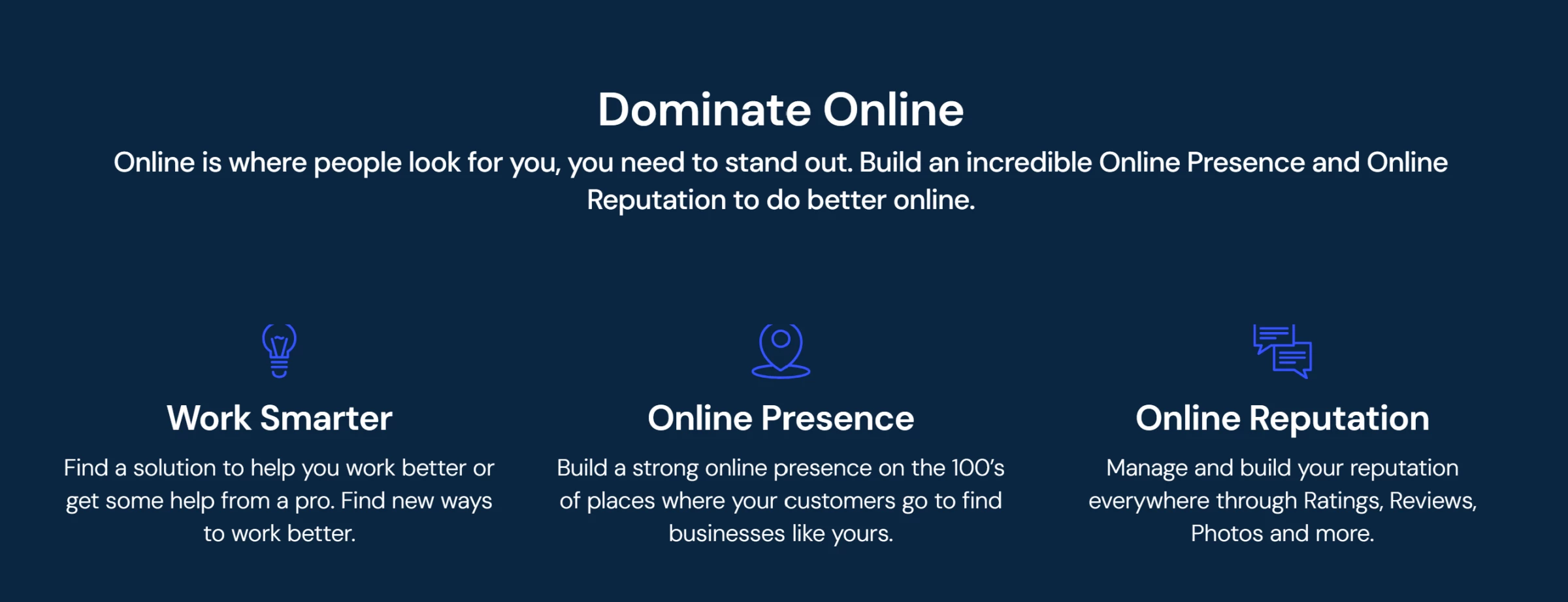
So how can small businesses get ahead of the curve — not just reacting to reviews, but proactively managing their presence across platforms?
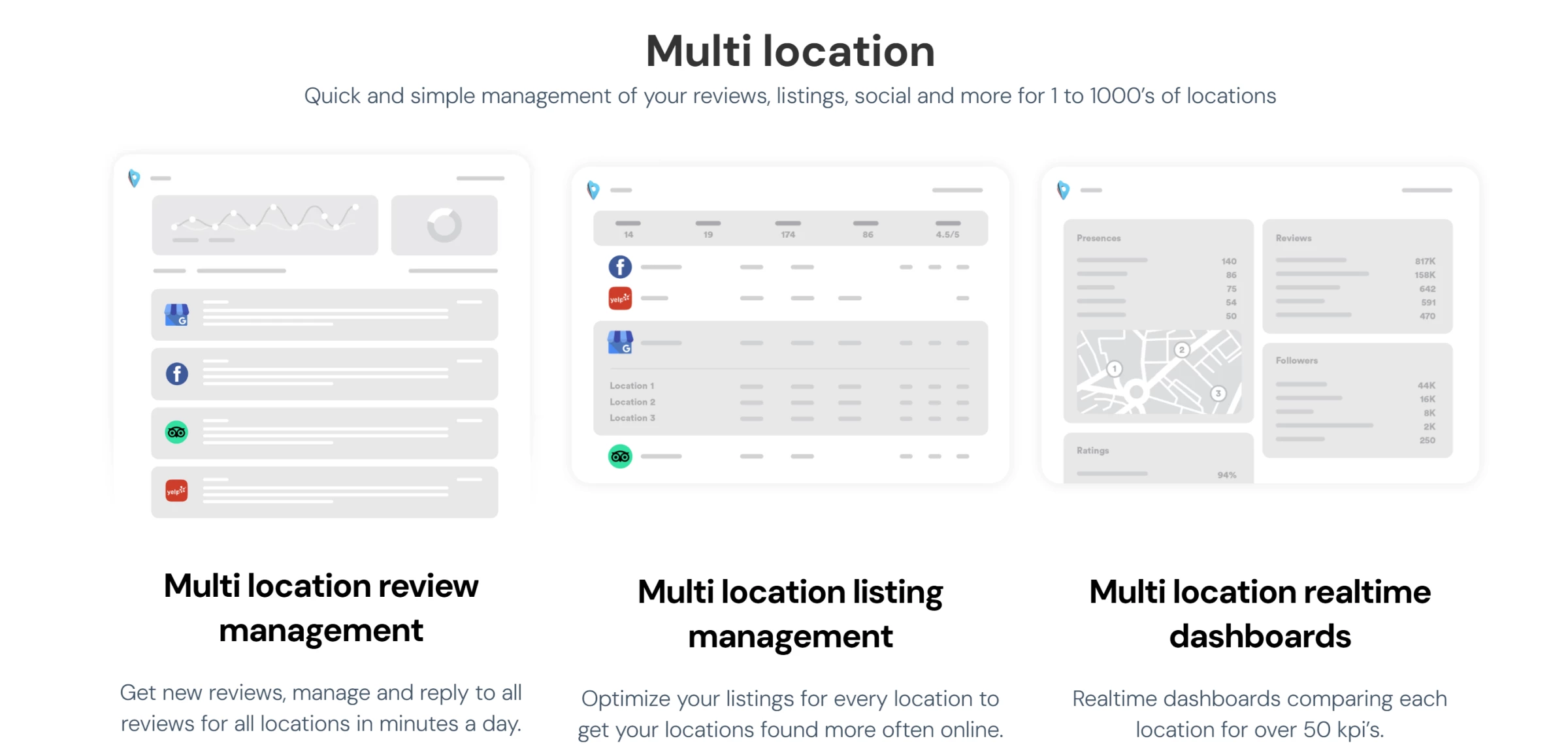
For businesses serious about tracking reputation, Paul lists these key metrics:
- Number of Reviews: Total volume on each platform
- Rating: The average rating and how it trends
- Review Velocity: Growth rate of reviews
- Response Rate: Percentage of reviews that receive a response
- Response Time: How fast do those responses happen?
- NPS: Using review scores to generate a Net Promoter Score over time
He also notes that many businesses focus too much on Google Business.
“It is also important to have good reviews and a good rating on other services. Especially major industry-specific services.”
He recommends considering other review services “some of the time” — think industry sites like TripAdvisor instead of Google.
Why AI Will Change the Reputation Game
Paul believes the shift from search to AI is going to reshape everything.
“Reviews outside Google are going to become more important with the move to AI-first search. AI tends to favor industry services over generic services,” Paul says. “So, reviews on these sites will increase in importance.”
The shift to AI search will make reputation even more vital, as smarter systems start relying on deeper review data to answer more specific customer questions.
“AI will be able to better answer questions like, ‘Recommend a coffee shop near me that is dog friendly with water views and people mention the friendly staff and great menu.’ AI will use review data to provide these answers,” Paul adds.
What Smart Founders Look for in Partners
For any business leader evaluating potential partners, it helps to know what someone like Paul looks for — because he’s been on both sides.
“Number one, I would look at reviews from existing customers," Paul says. "And then I would check their portfolio to ensure the quality of their work and whether it aligns with my requirements and I like the quality of their work.”
It’s the kind of thinking that shapes how Paul evaluates partnerships, and what he believes the wider industry needs to get serious about next.
Right now, you need to do whatever it takes to have your business appear in AI.
“AI models have training cut-offs so it is important to start now so that you can improve the data available to the next generation of AI models,” Paul adds.
Take Control of Your Online Reputation Before It’s Too Late
Your online reputation is key to success.
Remember to: Respond quickly to reviews, optimize across multiple platforms, and stay ahead of industry changes to protect your credibility.
Proactive reputation management isn’t optional; it’s essential for growth. Don’t wait for a bad review to hurt your business. Take control now.