
Hooters 'Re-Hooterization:' Key Findings
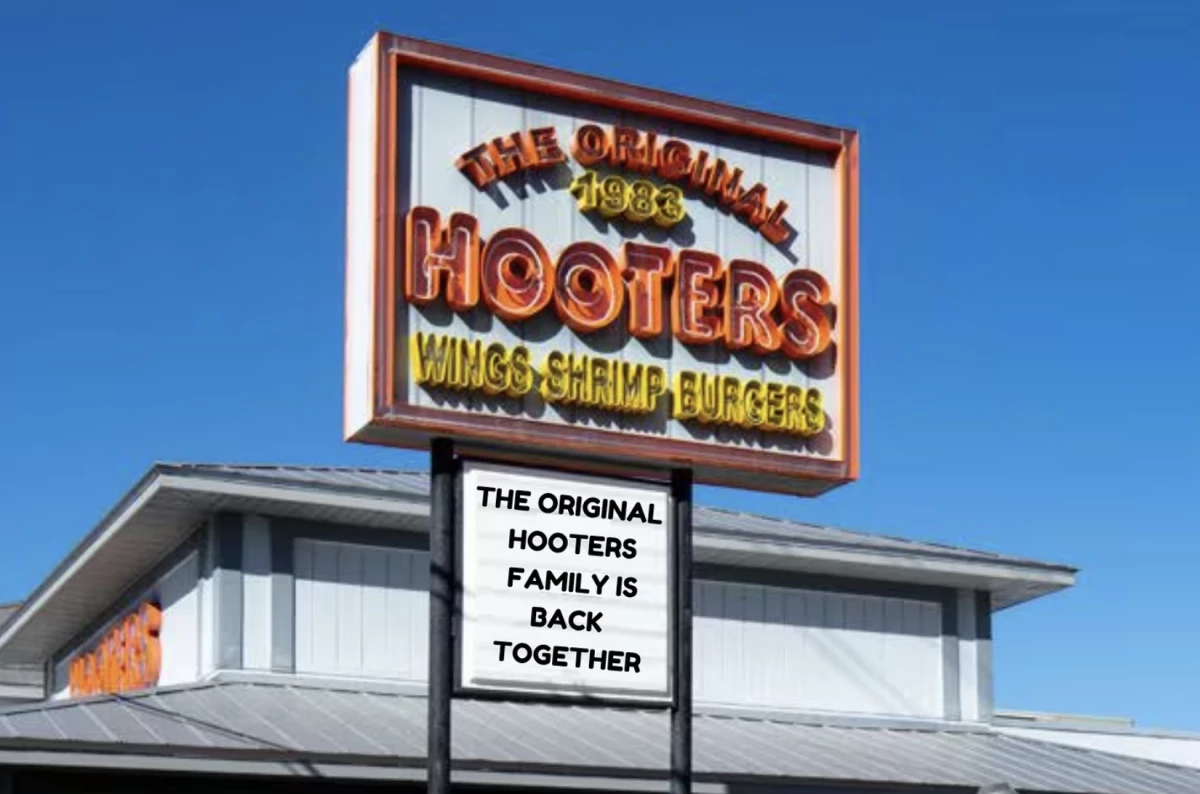
- Hooters’ founders reacquire 140 U.S. restaurants to restore the brand’s original beachy, family-friendly identity.
- The “re-Hooterization” includes a simplified menu, fresh ingredients, and the return of the classic uniforms, showing how to reclaim the glory of a legacy brand.
- Nostalgia-driven branding and renewed community focus anchor the chain’s plan to rebuild loyalty post-bankruptcy.
Hooters is going back to where it all started.
The original founders of the Florida-born restaurant chain have taken back ownership after years under private equity control and a recent bankruptcy.
View this post on Instagram
With this move, they're promising to "return the original look" and spirit that made the brand a household name in the 1980s.
“We’re not just acquiring restaurants — we’re taking back the Hooters name to show the world who we really are,” said Neil Kiefer, CEO of Hooters Inc.
“Our vision is about more than great food and service. It’s about bringing people together, making memories, and ensuring that Hooters remains a place where everyone feels welcome," he added.
The move marks the start of what the founders call a “re-Hooterization," a full reset of both operations and brand identity meant to reconnect the chain to its beachy, family-friendly roots.
Finalized on October 31, the deal transfers ownership of Hooters of America to Hooters Inc. and its partners from Hoot Owl Restaurants LLC, who now control about 140 of the 198 U.S. locations.
Including 60 more internationally, the system represents nearly $680 million in annual sales.
The founders are wasting no time.
A new simplified menu highlights fresher, higher-quality ingredients.
View this post on Instagram
It brings back Hooters’ signature hand-breaded wings, housemade sauces, and wild-caught fish, alongside salads and dressings made in-house daily.
All of it is part of what the company calls “a celebration of freshness.”
And, of course, the World Famous Hooters Girls will once again wear the original 1980s-style uniforms.
This is a nostalgic nod to the chain’s beach-bar beginnings, which the founders say became too corporate under previous ownership.
Refocusing the Brand Experience
Beyond uniforms and menus, the group’s brand marketing strategy centers on restoring, in Kiefer's words, “a place where everyone feels welcome.”
Plans include restaurant upgrades, equipment enhancements, and stronger local engagement through events and community sponsorships.
The company’s renewed focus on family and community is meant to revive Hooters’ original atmosphere, which is part casual hangout, part neighborhood gathering spot.
View this post on Instagram
The return to founder leadership comes at a challenging moment for the casual-dining industry.
Here, inflation and shifting dining habits have hurt legacy chains like Red Lobster and TGI Fridays.
But Hooters' founders see the turbulence as a chance to simplify and clean up its controversial branding, and this SNL skit best shows what it was known for.
The changes the chain is making are truly intentional.
Right now, focusing on the brand's values, its authenticity, and the nostalgia consumers have for it is its best bet.
And returning to its roots will do more to rebuild trust than chasing new trends ever could.
What We Can Learn from Hooters’ Revival
For brand leaders, Hooters’ return to its roots shows that sometimes the smartest move is to rewind and not reinvent.
- Reviving core identity elements from menus to uniforms can rekindle emotional ties with longtime customers.
- Simplification often strengthens positioning, and cutting complexity can spotlight what made a brand special in the first place.
- Brand comebacks work best when leadership visibly commits to community connection, not just cosmetic changes.
Our Take: Is Hooters on the Right Track?
I think Hooters’ founders are playing a smart hand by remembering what made Hooters the legacy brand it is today.
There’s power in returning to simple pleasures: hand-breaded wings, friendly service, a place that feels like your local spot, even if it’s a chain.
However, restaurants can’t live on memory alone. Hooters will need brand relevance.
That means keeping its sense of fun without falling into parody, and building a community experience that resonates with today’s diners.
If it can walk that line, this “re-Hooterization” could turn into one of the most interesting brand turnarounds in casual dining. We'll just have to wait and see.
In other news, Starbucks recently began its own identity reboot following the closing of hundreds of stores.
These plans come as part of a billion-dollar plan to refocus on the coffeehouse experience.