
Erling Haaland's goals are not the only thing driving demand during the FIFA World Cup.
The striker helped Norwegian hair tie brand KKNEKKI emerge as one of the tournament's most unexpected retail successes.
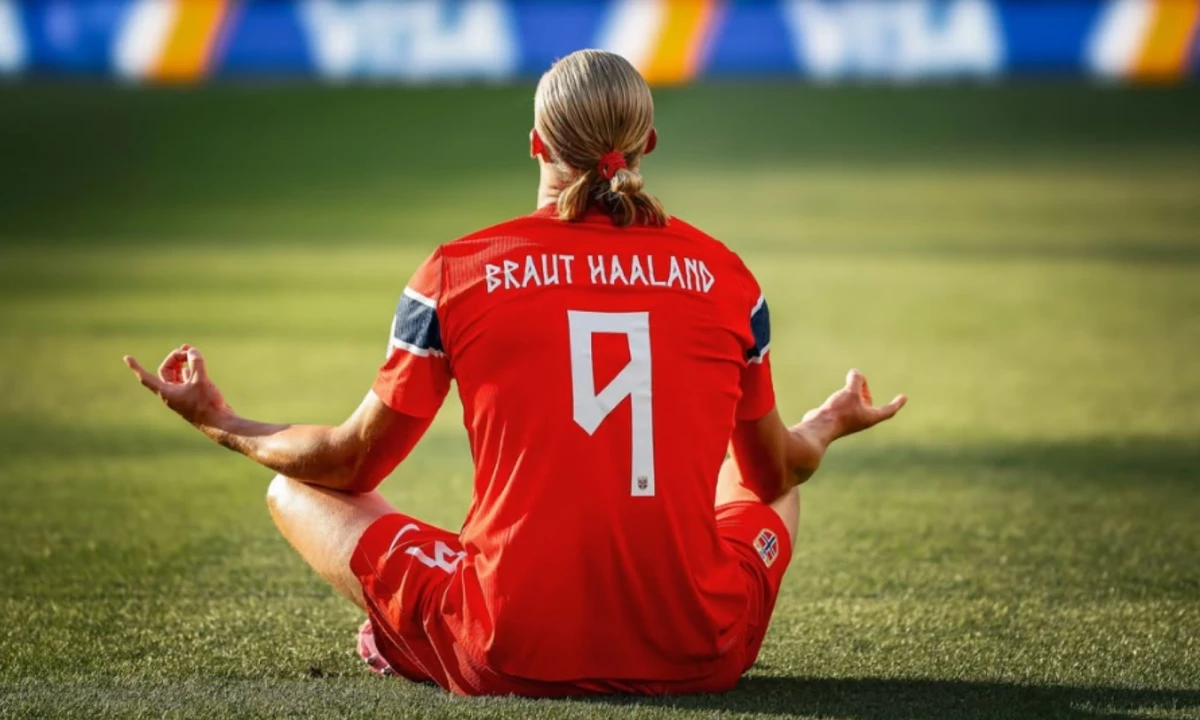
Fans are rushing to buy the same accessory that holds together his signature man bun.
The brand, owned by accessories company Bon Dep, released a limited-edition Erling Haaland collection.
It features hair ties inspired by the minority owner's club and national team colors.
"He has always worn KKNEKKI ever since he started growing his hair out," Hedda Davidsen, marketing manager at Bon Dep, told Glossy.
"Really, for him, it's a performance thing, because it's the only hair tie that actually works when he's doing what he does."
The collaboration transforms a €3.50 everyday accessory into one of the tournament's most talked-about pieces of merchandise.
The success highlights how authentic product affinity can create commercial value outside traditional sports sponsorships.
An Old Habit Sparks Global Demand
KKNEKKI began in South Korea in 1987 before Bon Dep acquired European distribution rights in 2015 and purchased the brand outright in 2024.
Each hair tie is woven from more than 60 polyester threads wrapped around a durable rubber core and finished with the brand's signature recycled plastic bead.
The product design holds hair securely without snags or creases.
Haaland had worn the hair ties for years before investing in Bon Dep, giving the brand partnership proven credibility.
He frequently matches different colorways to Norway's home and away kits, and his Manchester City colors, making the hair tie part of his game-day look.
Ahead of the World Cup, the brand released an eight-piece Erling Haaland collection featuring a custom Haaland bead.
The collection also includes a four-piece "Heia Norge" set in the country's red, blue, and white flag colors.
Both collections sold out quickly as fans searched for the exact accessory behind the striker's signature man bun.
The summer games expanded the brand's global reach, showing authentic product loyalty can create stronger brand equity.
Hair Tie Sales Surge After World Cup Exposure
The tournament created global visibility that translated directly into measurable business results.
According to Bon Dep, the first week of the collection generated 7.2 million organic impressions, increased website traffic by 70%, and tripled online orders.
The collection also sold out in several Anton Sport stores within 24 hours.
These gains convert tournament attention into owned audiences that remain valuable after the World Cup ends.
The brand's performance offers several lessons for marketers.
- Authenticity creates trust. Brands should partner with products influencers already use to strengthen purchase confidence.
- Distinctive visual identity improves recall. Companies should develop recognizable product cues to create stronger consumer recognition.
- Global events create acceleration. Marketers should prepare products before major tournaments to capture demand while public attention is highest.
The co-branded strategy shows how authentic athlete-product relationships can convert supporter attention into retail demand.
Our Take: What Makes Fans Collect a Hair Tie?
Bon Dep didn't create a collectible around Erling Haaland. It already had one.
KKNEKKI comes in more than 700 colorways, and years before the World Cup, younger customers were already calling themselves "Kknekkiholics."
Haaland gave this existing behavior a new reason to spread globally.
His World Cup sets invites new consumers into a collecting habit that was already part of the brand's identity.
We think this is the overlooked advantage. Many brands wait until they secure a big name before launching a collectible.
KKNEKKI had already created a product designed for repeat purchases through color variation, affordability, and seasonal releases.
The athlete simply became the catalyst that introduced the system to millions of new consumers.
Brands that design products for variation give themselves more opportunities to capitalize on cultural events when attention suddenly arrives.
Football brands are finding fresh ways to extend fan enthusiasm off the pitch.
LEGO recently celebrated the tournament with a 27-foot FIFA World Cup Trophy built from more than 1.36 million bricks.
These top product design companies can help brands create collectible product systems that keep customers coming back for every new edition.