
Google Ads' New AI Agents: Key Findings
- The tech giant will launch Ads Advisor and Analytics Advisor globally this December for autonomous campaign management in Google Ads and Analytics.
- The agentic AI market is projected to reach $93.2 billion by 2032, with marketing and advertising representing 24.5% of use cases.
- The agents autonomously execute tasks, diagnose performance issues, and generate campaign assets, streamlining creative and operational bottlenecks.
Google Ads is releasing two AI agents that could radically change how brands run their digital advertising efforts.
Ads Advisor and Analytics Advisor are designed to enhance campaign management and data analysis.
Ads Advisor and Analytics Advisor are soon rolling out across @GoogleAds and @GoogleAnalytics. Learn more. https://t.co/iyCrOAlelh
— News from Google (@NewsFromGoogle) November 12, 2025
What makes these agents different from other AI assistants?
They don't just make suggestions or answer questions, they take action and complete tasks on their own.
They'll launch globally in early December for all English-language Google Ads and Analytics accounts.
These agents can handle repetitive optimization work around the clock, freeing up teams to focus more on strategy and creativity.
Breaking Down Google's New AI Ads Agents
Ads Advisor works directly inside Google Ads and learns from your interactions over time.
You can ask it to optimize a campaign for an upcoming event like the holiday season.
It then creates sitelink extensions, adjusts bids, and applies changes to your account.
🤖 𝗠𝗲𝗲𝘁 𝗔𝗱𝘀 𝗔𝗱𝘃𝗶𝘀𝗼𝗿—your new Google Ads agent.
— Google Ads (@GoogleAds) November 12, 2025
Ads Advisor is here to help you proactively manage campaigns directly within Google Ads to optimize performance and take action. Here’s how:
📶 𝗠𝗮𝘅𝗶𝗺𝗶𝘇𝗲 𝗽𝗲𝗿𝗳𝗼𝗿𝗺𝗮𝗻𝗰𝗲 𝘄𝗶𝘁𝗵 𝗺𝗶𝗻𝗶𝗺𝗮𝗹… pic.twitter.com/iokgMLTqyZ
It can also generate new headlines and descriptions based on your existing assets and performance data.
If an ad gets disapproved, Ads Advisor diagnoses the policy issue and can fix problems like incorrect URLs.
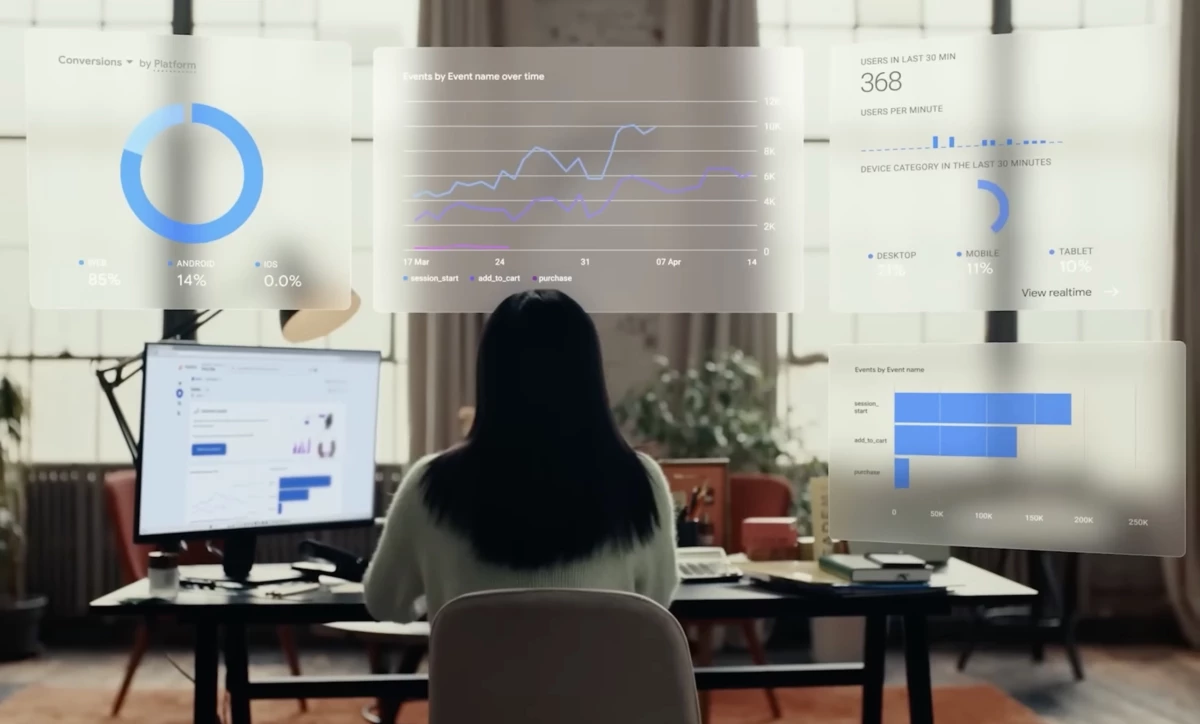
Analytics Advisor, like its name suggests, focuses on data analysis.
When you ask why traffic changed on a specific day, it runs a key driver analysis to identify the source.
👾 𝗜𝗻𝘁𝗿𝗼𝗱𝘂𝗰𝗶𝗻𝗴 𝘆𝗼𝘂𝗿 𝗻𝗲𝘄 𝗽𝗲𝗿𝘀𝗼𝗻𝗮𝗹 𝗱𝗮𝘁𝗮 𝗮𝗻𝗮𝗹𝘆𝘀𝘁: 𝗔𝗻𝗮𝗹𝘆𝘁𝗶𝗰𝘀 𝗔𝗱𝘃𝗶𝘀𝗼𝗿.
— Google Ads (@GoogleAds) November 12, 2025
Our new conversational AI experience in Google Analytics is here to help you make better, faster decisions:
🔍 𝗨𝗻𝗰𝗼𝘃𝗲𝗿 𝗽𝗲𝗿𝗳𝗼𝗿𝗺𝗮𝗻𝗰𝗲… pic.twitter.com/T0aLKFIH1j
The tool goes beyond identifying issues to recommend actions that align with your business goals.
Both agents use Google's Gemini models, the same technology behind the company's most advanced AI products.
This pairing of execution and analysis positions Google’s agents as an always-on layer of operational intelligence that moves routine campaign management closer to true automation.
The Agentic AI Gold Rush Is Real
Companies are already adopting AI agents at scale.
A recent DemandSage study revealed that 90% of companies using generative AI agents report streamlined operations and better workflows.
Precedence Research data has also found that the agentic AI market is forecasted to grow from $7.55 billion in 2025 to $199.05 billion by 2034.
This marks a 43.8% compound annual growth rate, highlighting how quickly agentic AI is moving into the center of day-to-day marketing and operations.
Marketing and advertising teams are among the earliest adopters.
Executives across industries are planning to integrate agentic AI into customer-facing operations this year.
This shows how the technology has moved beyond experimental use cases.
IDC predicts agentic AI spending will reach $1.3 trillion by 2029, a figure that represents more than a quarter of global IT spending.
This spending reflects a shift in how companies allocate resources, as agentic AI is moving from experimental projects to core operational budgets.
Here's what smart marketers should take from Google's AI agent launch:
- Say goodbye to the boring stuff: Your team can stop spending hours adjusting bids and testing headlines and focus on bigger decisions instead.
- Things get fixed while you sleep: That campaign problem at 2 a.m. gets solved before your morning coffee, not after your Monday team meeting.
- You don't need to be a data expert anymore: Anyone on your team can ask complicated questions about performance and get clear answers without technical skills.
With these tools on hand, teams can spend more time focusing on higher-level work instead of spending too much time managing campaign mechanics.
Our Take: Will Early AI Adoption Give Marketers an Edge?
Yes, and I think the advantage could be significant.
Google's AI agents aren't out to replace marketers. Instead, these tools will give them more capacity to focus on strategy and creativity.
The brands that adopt these tools first will have an advantage over competitors still managing campaigns manually.
By mid-2026, I think most major platforms will likely offer similar agents.
The question becomes how quickly companies can integrate them into existing workflows.
Agencies and in-house marketers looking to stay competitive should start testing these tools when they launch, as those who don't risk falling behind the curve.
In other news, see how Meta's $72 billion AI spending push has sparked investor concerns despite strong ad revenue growth.
For those who need help integrating AI agents into their marketing workflows, DesignRush connects brands with specialized AI companies.