
Google Gemini's Super Bowl Ad: Key Findings
- "New Home" earned an A grade from Northwestern's Kellogg School as the most effective Super Bowl ad while drawing criticism for its melancholic undertones.
- The mother-son narrative demonstrates Gemini's image generation through Nano Banana Pro as they visualize their new house, integrating Google Photos with AI editing.
- Randy Newman's emotional "Feels Like Home" soundtrack positions AI as reassurance during transitions, though some viewers found the approach unsettling.

Campaign Snapshot
Google brought Gemini to Super Bowl LX with a 60-second spot that divided audiences between those who found it heartwarming and critics who questioned its tone.
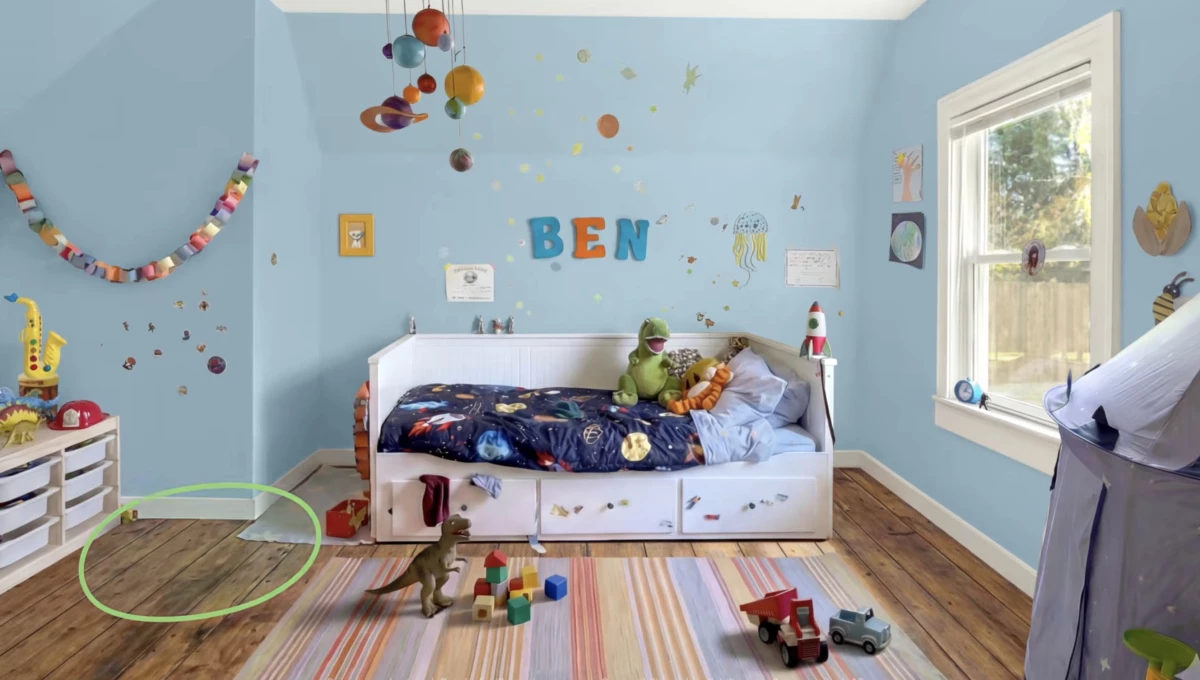
"New Home" shows a mother helping her young son visualize their new house using Gemini's image generation capabilities, set to Randy Newman's "Feels Like Home."
Critics noted the ad's mismatched tone, with 9to5Google observing that "the vibe borders on melancholy, especially when paired with the 'thoughtful piano music.'"
Here, we can see how mixing emotion with AI advertising can divide audiences when brands show technology solving deeply personal moments.
The Mother-Son Narrative x Image Generation
Produced by Google Creative Lab and directed by Daniel Mercadante for Park Pictures, the spot aired during the third quarter and extends through digital, social, and out-of-home activations.
It demonstrates Gemini's integration with Google Photos and Nano Banana Pro's image generation capabilities.

"New Home" opens with the mother scrolling through photos of empty rooms in their new house.
Her son, Ben, appears unsure about the move until she uses Gemini to transform his bedroom, filling it with his toys, painting the walls blue, and adding a dog bed.
The pair continues decorating room by room before imagining their garden, and the commercial ends by positioning the platform as "a new kind of help from Google."
Polarized Reception Reflects Broader AI Anxiety
Northwestern University's Kellogg School of Management ranked the ad as the most effective Super Bowl spot.
It awarded it an A grade for balancing emotional resonance with clear product demonstration.
Tim Calkins, clinical professor of marketing at Kellogg, told CBS News that the ad "tugged at the heartstrings while also showing how the platform could be used."
However, the ad's mixed reception also reflects tension around whether AI helps or replaces human effort during tender moments.
AI Companies Sold Us Their Vision of the Future at the Super Bowl. Here’s Why We Should Reject It https://t.co/OKn9pFswRP
— The Hollywood Reporter (@THR) February 9, 2026
The Hollywood Reporter questioned whether the ad solves real problems, asking, "Does your kid struggle with not being able to imagine the decor of his bedroom in your new home?"
Angeli Gianchandani, a New York University adjunct professor specializing in brand strategy, told The Washington Post that Google smartly pitches AI offering "reassurance" rather than practical capabilities.
"The next era of AI marketing will not be won by showing what machines can do, but by clarifying what humans still own," she said.
Critics have also resurfaced Google's 2024 Olympics ad showing a father asking Gemini to help his daughter write a fan letter to an athlete.
Google pulled that spot after backlash about outsourcing childhood expression to machines.
Google's approach demonstrates how AI brands are navigating people's current skepticism:
- Make product interaction visible. Showing real inputs and outputs builds understanding and reduces abstraction.
- Anchor emotion to everyday use. Emotional cues work best when tied to familiar, low-friction behaviors.
- Integrate with tools people already trust. Connecting new technology to existing personal assets lowers resistance and cognitive load.
The ad demonstrates Google's strategy for mainstreaming Gemini amid competition from other AI giants like OpenAI and Anthropic.
Our Take: Does Emotional Framing Help or Hurt?
I think the ad works where product branding is concerned, but I also think Google struggled with tone here.
The clear feature demonstrations show what Gemini actually does, and Northwestern's top ranking suggests the mother-and-son story resonated with a lot of viewers.
However, I think critics have correctly noted that Newman's song and the premise of a child needing AI to imagine his bedroom create an oddly sad vibe for a technology that should feel empowering.
In other news, Amazon addresses AI anxiety with Chris Hemsworth imagining catastrophic Alexa+ scenarios, contrasting with Google's emotional approach by making fears ridiculous instead of reassuring.
Tech brands building emotional AI campaigns need agencies that understand how to balance reassurance and optimism.
Explore the top AI marketing agencies in our directory.