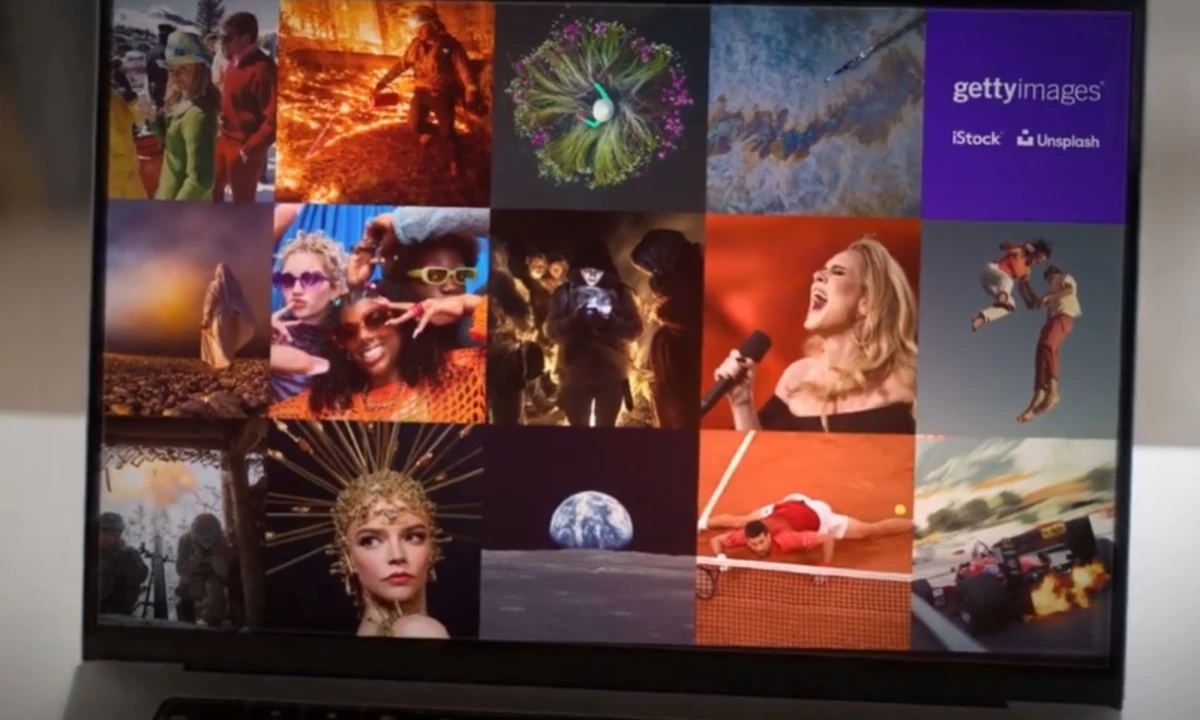

Getty Images is walking away from its planned $3.7 billion merger with Shutterstock.
The decision was made after UK regulators demanded that Shutterstock sell its editorial businesses.
First announced in 2025, the deal would have combined two of the world's largest stock image marketplaces.
Both face mounting pressure from AI-generated content.
Getty's board unanimously rejected the requirement, calling off the merger and opting to explore other financing options instead.
"We are not convinced that scale would have done more than stave off competitive pressures for a little while longer," Madison and Wall MD Luke Stillman told Reuters.
The decision underscores how competition regulators are reshaping media consolidation as AI changes the economics of visual content.
UK Ruling Ends Image Industry Tie-Up
Getty Images said it will formally terminate the merger after the extended July 6 deadline.
The deal had already cleared U.S. antitrust review, leaving the UK as the final hurdle.
There, the Competition and Markets Authority (CMA) required Shutterstock to sell its editorial business.
And this included celebrity photo agencies Backgrid and Splash.
Without that sale, the CMA said the combined company would cut competition for editorial imagery and leave news organizations fewer options.
Getty had expected the merger to save $150 million to $200 million a year within three years.
Walking away costs the company these savings, the price of independence when regulators decide how far a merger and acquisition can go.
The AI Pressure Is Real
The two companies chased the merger as generative AI ate into demand for licensed imagery.
For years, they were among the loudest critics of AI firms scraping copyrighted images, filing lawsuits, and pushing for stronger protections.
Now, both license their libraries to the AI companies they once fought.
Getty's display partnership with OpenAI puts its images in ChatGPT search results, and the news briefly sent its stock up more than 200%.
The flip proves that a rights-cleared library is now a revenue source, and the smartest owners sell to the very AI they once sued.
The merger's collapse highlights that growth strategies must account for both AI disruption and regulatory scrutiny.
- Scale alone no longer guarantees resilience. Companies should diversify revenue streams to reduce dependence on traditional business models.
- Market conditions can change strategic positions. Brands should remain flexible enough to convert emerging tech into commercial opportunities.
- Proprietary content is a competitive asset. Brands should invest in exclusive, rights-cleared libraries to create long-term value.
The real skill needed here is knowing exactly when your oldest asset can become your newest product.
Our Take: Why Is Editorial Photography Worth Protecting?
Editorial images are becoming harder to replace than generic visual content.
We can generate countless AI-created illustrations.
But authentic photos of real-world events and breaking news still depend on photographers, distribution networks, and trusted licensing partners.
This scarcity explains why the UK's CMA focused on Shutterstock's editorial business.
Regulators recognized that fewer suppliers could limit access and raise costs for publishers that rely on timely, verified imagery.
The equation could change if AI-generated news visuals become widely accepted or if synthetic media standards evolve.
For now, however, authenticity remains the defining advantage.
Even as AI changes creative production, original reporting and rights-managed editorial photography retain their strategic value.
As content licensing becomes a larger competitive advantage, brands need clear ownership strategies for their creative assets.
Connect with these top legal consulting firms to protect, license, and monetize original content.