
GetSales CRM Prototype: Key Findings
- Prototyping with real user feedback improves quality by 83% and customer satisfaction by 63%, demonstrating the value of early testing.
- AI-integrated CRMs help 69% of sellers shorten sales cycles and 68% close more deals, showing the impact of automation on performance.
- Pre-tested automation cuts onboarding by weeks and reduces errors, highlighting the benefit of platforms aligned with real workflows.
Businesses spend hundreds on APIs, integrations, and workflows meant to make outbound sales a breeze.
The problem is that most of the time, those solutions don’t actually work.
Eugene Salamatov is the founder of GetSales, a platform that simplifies safe LinkedIn and email outreach through automated campaigns.
In a recent LinkedIn post, he flagged that he was paying $350 just to manage signup webhooks, or automated triggers that sync user data across tools post-signup.
Salamatov’s point?
Most sales platforms are needlessly complex, leading to:
- High setup costs
- Slow onboarding
- Poor alignment with how teams actually work.
Editor's Note: This is a sponsored article created in partnership with GetSales.
For many, these issues, including high costs and complicated sales tools, are accepted as the norm.
That’s what pushed GetSales to take control and change things for the better.
In January 2026, the company made a decisive move to address this fragmentation. It evolved its established LinkedIn and email automation tool into a unified sales engine.
GetSales now enables teams to find high-quality lead data and run outreach within one streamlined workflow.
The update also introduces AI agents that automatically refine campaign messaging and surface deeper prospect insights.
This reduces reliance on expensive third-party integrations while keeping the entire process under one roof.
It’s designed with real user feedback, pre-tested workflows, and public prototypes.
Why build in public? Rather than developing behind the scenes, GetSales is inviting real-time feedback to shape the product alongside users.
Prototyping in Public
Rather than shipping fully coded products that users either don’t understand or just plain ignore, GetSales is experimenting with early prototypes through:
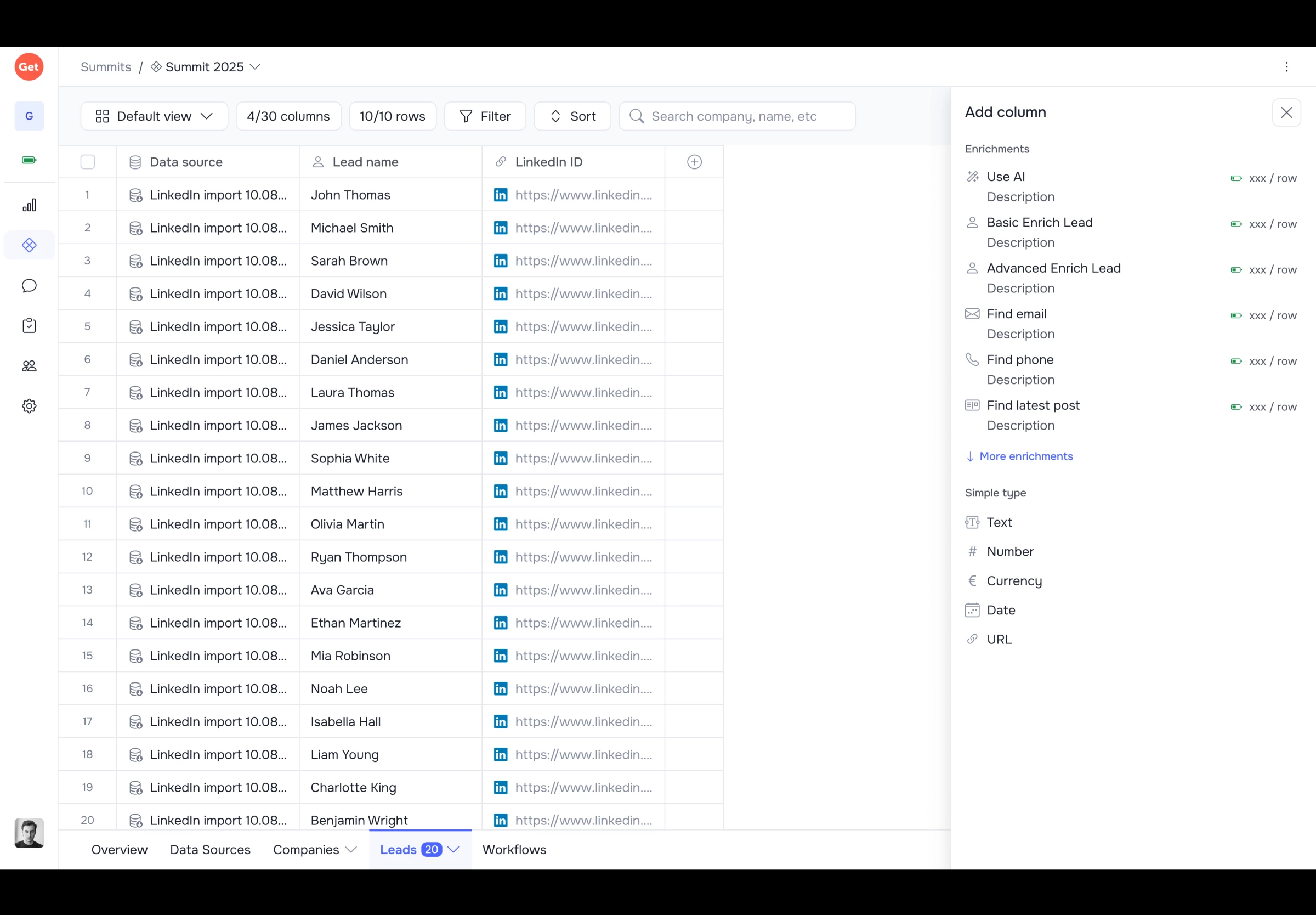
- Its first Figma prototype, which is shared publicly
- Users who can point out what they love, hate, or feel is missing
- Iteration is done before code is implemented, reducing time wasted on development cycles
“We’ve all shipped features that made sense internally but didn’t land with users,” Salamatov said.
“Starting with prototypes forces clarity early and keeps the focus on real workflows, not feature checklists.”
The use of public prototyping in sales and CRM software is steadily increasing, especially where teams have to juggle multiple tools, APIs, and manual workflows.
And it’s because something as simple as teams building their research early on into product development results in an 83% increase in quality and 63% higher customer satisfaction, according to Maze’s 2025 The Future of User Research report.
In CRM tools, 65% of systems now include AI features. Sci-Tech’s Customer Relationship Management CRM Statistics also found that 83% are more likely to exceed their sales goals because of those tools.
Why This Matters for Businesses
Sales tools are often judged by features rather than usefulness.
“Most teams don’t need more features. They need fewer decisions to make and fewer things to maintain,” said Salamatov.
“If a tool reduces setup time and removes friction from everyday tasks, the impact shows up quickly in how teams work.”
Early feedback loops and transparent design typically lead to three outcomes:
- Prevent wasted spend: Building without understanding pain points leads to unused features and costly rewrites.
- Align tools with workflows: When users shape development, adoption improves.
- Simplify integrations: Clear setup and pre-tested automation remove technical barriers. Teams can leverage data providers, webhooks, APIs, and AI tools to accelerate lead engagement without the learning curve.
Small fixes, such as an improved integration setup or pre-tested automation flows, can reduce onboarding time by weeks and cut errors in lead management.
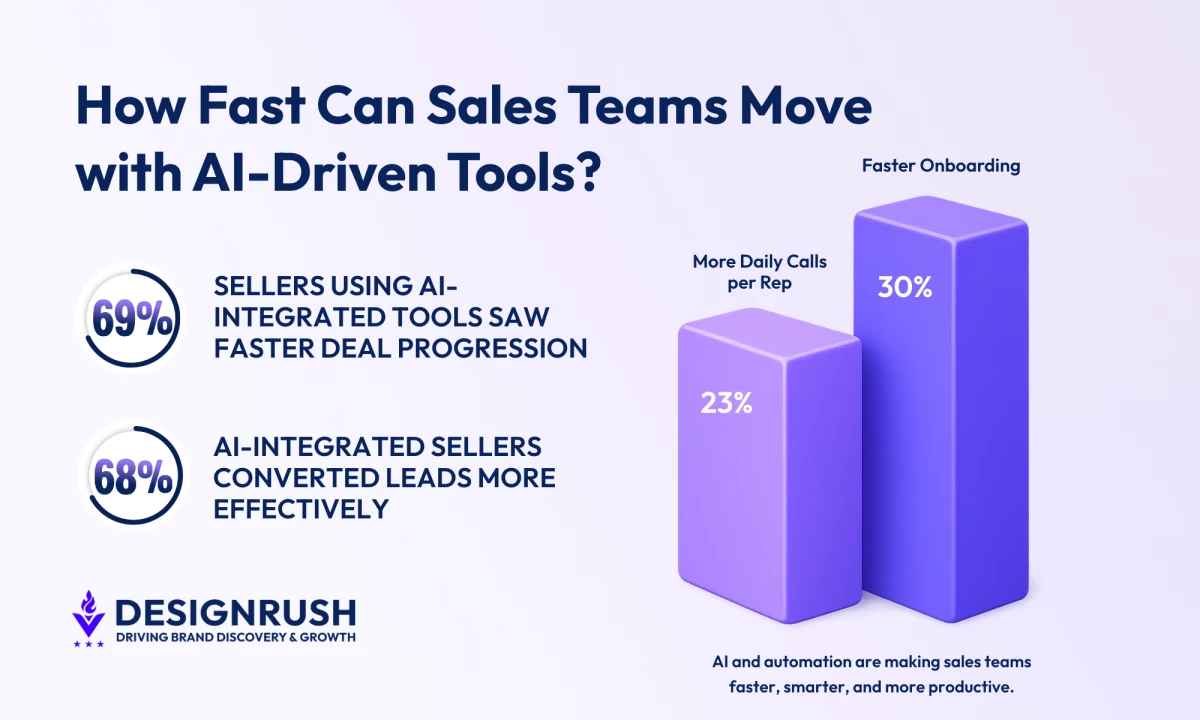
For example, 69% of sellers reduced their sales cycles by a week using AI-integrated tools, and 68% closed more deals, as LinkedIn’s 2025 ROI report found.
Even Rep Order Management revealed a 30% faster onboarding and 23% more daily calls per rep.
On top of that, automation can save sales teams between five and 10 hours per week and deliver 30 to 50% faster response times, as per Salesso.
The data suggests that software built around real-life workflows delivers more value than feature-heavy platforms.
When Users Shape the Product
This approach reflects a broader trend in B2B software.
Platforms are moving toward human-first, iterative products shaped around actual user behavior.
Businesses evaluating sales tools should focus on platforms that integrate quickly, simplify workflows, and let users guide development.
These features directly improve adoption, productivity, and deal outcomes.
Ready to rethink how sales tools get built?
GetSales is opening its early prototype to users who want to test workflows, explore integrations, and share feedback before development is finalized.
As Salamatov noted in his LinkedIn post, the prototype is open to users who want to test workflows, explore integrations, and shape what gets built.
Early access is now open for teams interested in influencing the platform’s development. GetSales is working with a select group of early adopters ahead of general availability in early April.
Teams can sign up now to test the platform.
The approach is designed to:
- Reduce wasted spend
- Avoid overbuilt features
- Stay focused on how sales teams actually work day to day
- Integrate advanced AI capabilities into the daily sales workflows
And ultimately, the goal is to create a tool that works for users and not the other way around.
The GetSales team is focused on proving that unifying complex technology, including multiple data providers, APIs, webhooks, and AI, does not require complicated workflows.
More importantly, aims to show that this level of capability can be accessible to small teams, not only enterprise organizations with large budgets.
Tools like these, when implemented, integrate cleanly, respect user time, and develop through real feedback, proving that they are easier to adopt and scale.
Building this way keeps development aligned with reality, instead of allotting time and budget to systems that look great on paper but fail in practice.