
Capturing Gen AI Referral Traffic: Key Points
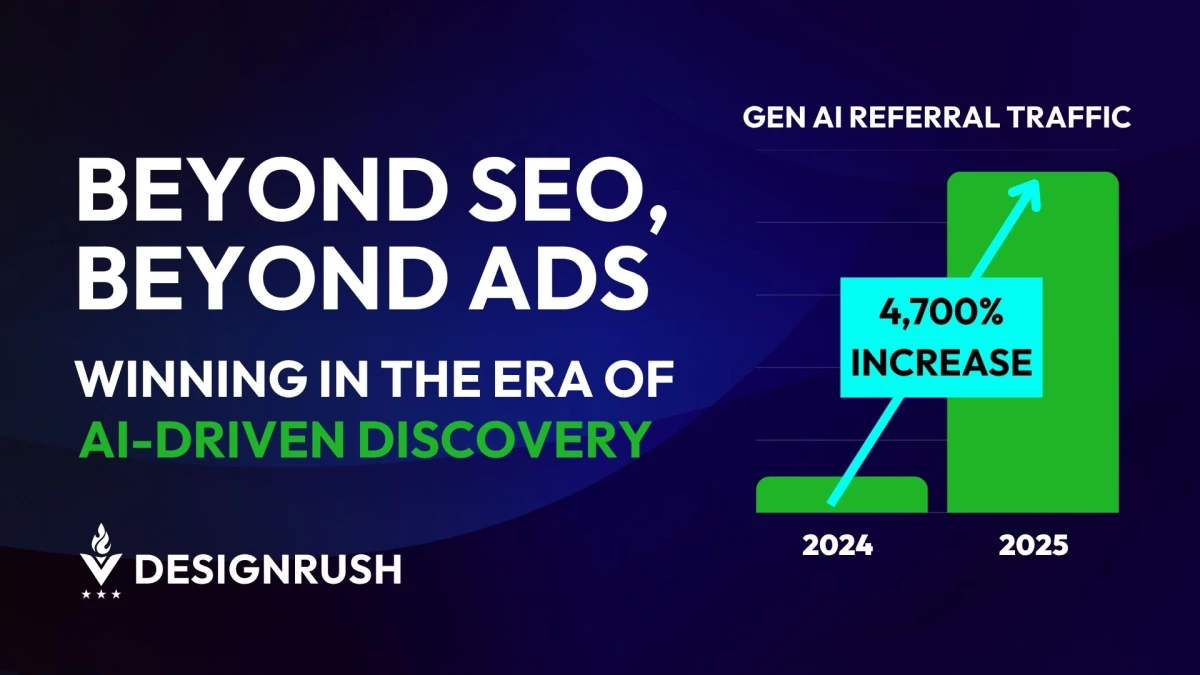
- Gen AI referrals to eCommerce sites surged 4,700% YoY (Adobe), making AI-first discovery impossible to ignore.
- Over 90% of consumers trust Gen AI results, proving credibility now matters more than ad impressions.
- With 39% of U.S. shoppers already using Gen AI, brands can stay visible by structuring catalogs and product data for AI.
Gen AI is transforming how people shop online, and for eCommerce brands, that means adapting fast.
The proof? Adobe data shows referrals from Gen AI browsers and chat services like ChatGPT and Perplexity surged 4,700% in the past year.
-content-large-webp.webp)
Yes, these are eye-catching figures, but they also show why brands must rethink how they compete for visibility.
However, the numbers also mask a growing problem some brands are noticing too late.
According to Jeff Finkelstein, Founder of Customer Paradigm, eCommerce brands must now answer the question, “How can brands balance AI visibility and convert the intent shaped by AI search?”
“Generative AI is changing how customers discover products. Brands must design their content to speak the language of AI and shape intent from the first interaction. Those that master this will capture attention, drive conversions, and leave competitors struggling to catch up,” he says.
Gen AI Reshaped the Path to Purchase
The buyer’s journey used to start with keywords like “best laptop.”
But thanks to Gen AI, the way the journey starts today is much more conversational: “What is the best laptop for graphic design work under $1,200?”
Industry data shows this new way of shopping is already taking hold.
According to a March 2025 Adobe Analytics report, 39% of U.S. consumers already shop with generative AI, and more than half plan to use it this year.
The same Adobe report also reveals:
- 55% use it for product research
- 47% use it for recommendations
- 43% use it to find deals
- 92% say it has “enhanced their experience”
- 87% are “more likely to use it for complex purchases”
What’s behind the hype? The following three factors play a big role:
1. Efficiency That Saves Time
According to Forbes, Vivek Pandya, a lead analyst of Adobe Digital Insights, described Gen AI as creating a ‘very optimized, urgent, efficient journey’ for consumers.
He’s also quoted, saying shoppers want to “put in all the criteria around what they need, and then have the guidance distilled back to them with all that criteria met.”
This is something Gen AI now delivers by turning detailed queries into curated results that replace endless scrolling.
How will this change behavior?
As consumers get used to more direct intent-driven guidance, user expectations are bound to shift away from broad search results.
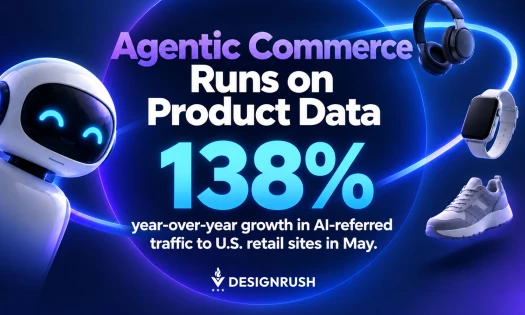
That’s why Customer Paradigm advises brands to keep catalogs clean and product data structured with metadata and schema markup.
Without that foundation, even the best products may never surface, and you risk missing the 55% of U.S. consumers already using Gen AI for product research.
2. Guidance That Feels Personal
In addition to speeding up product research, Gen AI shapes the recommendations shoppers see, providing tailored results.
Taking into account factors such as budget, use cases, and preferences, it’s able to more intelligently source top products and deals quickly.
The result? An experience that feels more custom and personal.
In light of these advancements, brands need to focus their attention on every product detail, ensuring clear attributes.
Otherwise, they risk losing visibility online.
3. Confidence in Curated Results
When Gen AI serves up a shortlist, shoppers see it as a vetted selection rather than a sales pitch.
With 92% saying AI “enhanced their experience,” consumers appear comfortable using Gen AI, which also signals trust.
That trust is reshaping behavior, especially considering a majority would use it for bigger “complex purchases.”
As a result, brands need to focus on bolstering their credibility signals, such as verified reviews and consistent product data.
That way, there's a better chance your products will surface in Gen AI search results.
How to Adapt Your eCommerce Strategy for AI Referral Traffic
Keeping pace with Gen AI will be a major adjustment for the eCommerce industry.
Brands must now appeal to two audiences at once: human consumers and the AI systems that shape their choices.
To help with that shift, Customer Paradigm recommends four key strategies:
1. Make product data machine-readable
Gen AI loves clear and well-organized information.
If the system cannot “read” the product, it will not recommend it.
eCommerce companies should audit product catalogs for missing attributes.
They should also reformat them with schema markup and structured metadata to ensure every detail can be cataloged and retrieved.
2. Eliminate Contradictions Across Channels
If AI directs a shopper to a landing page that looks nothing like the promise in the summary, trust evaporates instantly.
Alignment between product data, site content, and customer experience is not optional. Rather, it’s the difference between a one-time click and a repeat buyer.
Leaders should consider conducting “AI journey audits,” tracing how products are described in generative answers.
Next, test whether the landing page experience actually delivers on those expectations.
3. Seed Content Ecosystems
Gen AI often draws from FAQs, tutorials, and community discussions to validate its answers.
Retailers who invest in these resources help feed the system, making AI more likely to use them as a reference again and again.
Done correctly, this practice results in compounding advantages that future-proof visibility.
4. Treat Credibility as Currency
Algorithms also weigh trust signals heavily.
Verified reviews, transparent return policies, and respected third-party partnerships often count more than flashy ad campaigns.
These signals give both the AI and the buyer confidence that the product is worth considering.
Retailers should build credibility signals into every customer touchpoint, from visible return policies on product pages to proactive review collection after purchase.
AI Discovery Is Becoming the New First Page of Search
Generative platforms are starting to replace search engines as the first stop for product discovery. Brands must adapt content for machine-driven recommendations or risk being left out of the funnel.
In 2025, Amazon is projected to hold 40.9% of U.S. retail e-commerce sales, driven by Prime, product breadth, and logistics strength.
Yet smaller retailers that adapt quickly can still climb in recommendation results.
The bigger issue is whether companies treat this as a short-term trend or the foundation of their next growth strategy.
For agencies and brands, being prepared is now the real advantage.
Structuring data, building credibility, and creating content that systems can reference will decide who captures the next wave of online shoppers.