

EdTech: Key Findings
- EdTech fails when it adds complexity instead of solving real classroom problems.
- Tools built with teacher input save time and drive adoption.
- Measuring mastery and student confidence matters more than flashy features.
Learning technology has to do more than just digitize lessons, and research shows this is increasingly urgent.
According to a 2024 Pew Research Center survey, 84% of teachers say they don’t have enough time during their regular work hours to finish critical tasks like grading, lesson planning, and paperwork.
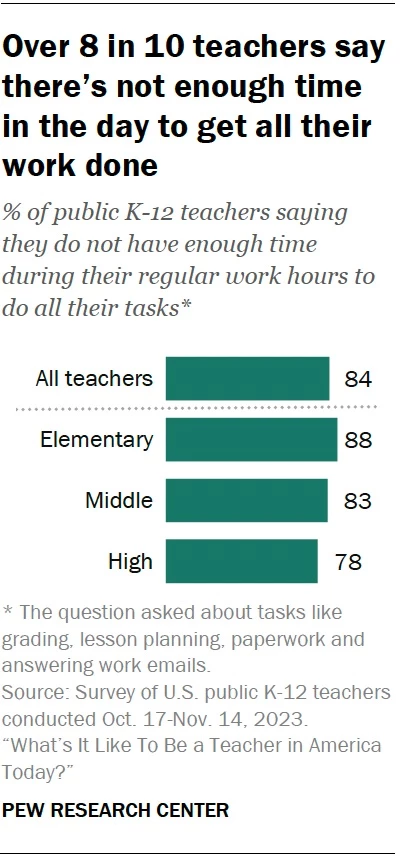
That time crunch is pushing educators to look for tools that are not only effective but also simple to use.
As Vivek Shaurya, co-founder and managing director at beGalileo, explains: teachers aren’t asking for more features; they want platforms that save time, reduce stress, and integrate smoothly into their daily routines.
For today’s EdTech leaders, that means:
- Flashy tech features aren’t enough; platforms must ease teacher workloads.
- Student confidence grows when tools adapt to individual learning paces.
- Every design choice should reduce complexity, not add to it.
Simplicity builds trust when technology integrates seamlessly into classrooms.
In an exclusive DesignRush conversation, Shaurya shared why building with simplicity and empathy, rather than just adding more features, is the key to creating learning platforms that truly last.

Who is Vivek Shaurya?
Vivek Shaurya is an award-winning business leader and IIT alumnus recognized with the Economic Times Global Indian Leader award. A pioneer in applying AI to education, he has built businesses across 40+ countries, led a landmark Microsoft partnership, and continues to drive large-scale digital transformation for Fortune 500 clients worldwide.
Focus on Solving Real Problems
Schools face tight schedules and limited resources, so technology that looks impressive but complicates classroom routines quickly becomes a burden.
Teachers don’t have time for steep learning curves or tools that add more work to their already full plates.
“A common misconception is that schools want the flashy tech, the trendiest technology in vogue. In reality, what they want is something that actually solves their daily challenges — like tracking progress without manual effort, or helping a struggling child catch up without them or another child feeling left out,” Shauraya says.
The lesson is clear: tools that simplify teaching and support students directly will endure, while those designed just to showcase the latest innovation won’t stick.
Build Features Teachers Actually Ask For
The best EdTech solutions come from listening.
When a Mumbai school asked for a faster way to track struggling students, the team created a Class Heat Map that highlights who needs support and sends a simple email alert with one-click access to student data.
As a result, it quickly became one of the most-used features among teachers and principals.
Small, practical changes also make a big difference. Teachers often reuse assignments year after year, but digging through old files wastes time.
To solve this, the platform added an “Assignment Library” so teachers can save, tag, and instantly reuse their best resources. One teacher shared that it cut her planning time by 60%.
The takeaway is clear: when educators shape the tools, the tools actually fit the classroom.
Measure Learning Outcomes
Clicks and time-on-platform may look good on reports, but they don’t prove students are learning.
Real success comes from tracking mastery, or how much a child improves over time in a subject.
“Engagement is important. It tells us if the child is interested, but learning happens when interest turns into understanding,” Shaurya explains.
That means shifting focus to outcomes like:
- Growth: the percentage of students moving from struggling to proficient.
- Closing gaps: measurable improvement in math, reading, or language skills.
- Application: the ability to use knowledge in real-world contexts.
In one low-income school, Grade 4 students struggling with basic math saw dramatic progress: within three months on an adaptive learning path, more than 70% moved from below grade level to at grade level.
And outcomes aren’t just about test scores.
A rural school used speech-recognition tools to build confidence in English. Within six months, 78% of students could hold a short conversation, up from just 15%.
Engagement might spark interest, but measuring progress is what proves learning is happening.
Speak the Language of Teachers and Parents
How EdTech companies describe their tools can be just as important as the tools themselves.
For schools and families, jargon like “AI-powered personalized learning engine” rarely resonates. What they want is language that connects to their everyday experiences.
“Focus on students and parents first, then on teachers, and only then on yourself,” Shaurya says.
This might mean saying, “Helps your child love math” or “Gives teachers more time to mentor” instead of leaning on buzzwords.
Parents and educators are looking for trust, impact, and support. Speaking in their language makes the value of a product instantly clear.
Keep EdTech Simple and Human
EdTech is struggling when it forgets who it serves. Teachers don’t need extra dashboards or complex features; they need tools that save time.
Parents don’t want jargon; they want confidence their child is learning.
And students don’t benefit from flashy add-ons; they need support that feels personal and motivating.
The future of EdTech won’t be defined by the most advanced technology, but by the simplest solutions that help teachers teach, students learn, and parents see progress they can trust.
Simplicity in EdTech FAQs
What do teachers most want from EdTech tools?
They consistently ask for simplicity and time-saving features, such as auto-grading, reusable lesson plans, and one-click reports.
Why do many EdTech platforms fail in classrooms?
They focus on features that look impressive but don’t address real pain points, often adding to teachers’ workload instead of reducing it.
What outcomes should matter most?
Mastery growth, closing skill gaps, and building student confidence — not just clicks or logins.
How should EdTech companies market themselves?
By focusing on human outcomes: helping kids love learning and giving teachers more time to mentor, not just by showcasing AI buzzwords.